Perched majestically atop the mountains of Karabakh, Shusha stands as one of the most treasured cultural and historical cities of Azerbaijan. Founded in 1750 by Panah Ali Khan as the capital of the Karabakh Khanate, the city has long been admired for its strategic location, architectural heritage, and vibrant cultural life. Surrounded by dramatic cliffs and breathtaking landscapes, Shusha has served for centuries as a crossroads of trade, arts, and ideas, earning a distinguished place in the history of the South Caucasus.
Widely celebrated as the cultural capital of Azerbaijan, Shusha has nurtured generations of poets, musicians, artists, and intellectuals whose contributions have shaped the nation’s cultural identity. The city is renowned as a cradle of Azerbaijani music and literature, particularly for its rich Mugham tradition and its unique literary gatherings known as majlis. Historic landmarks such as the Yukhari Govhar Agha Mosque, the Vagif Mausoleum, and elegant stone mansions reflect the city’s enduring architectural and artistic legacy.
Throughout the nineteenth century, Shusha flourished as a prosperous center of commerce, craftsmanship, and silk production, attracting merchants and travelers from across the region. Its cosmopolitan atmosphere and hospitable spirit inspired prominent visitors, including the celebrated French writer Alexandre Dumas. Blessed with a mild mountain climate, picturesque scenery, and a rich cultural landscape, Shusha became a favored retreat for many of Azerbaijan’s leading literary and musical figures.
Recognizing its outstanding cultural significance and growing role in regional tourism, the fifth ECO Ministerial Meeting on Tourism, held in Ardabil, Islamic Republic of Iran, on 5 October 2023 selected Shusha as the ECO Tourism Capital for 2026. This title highlights Shusha’s unique heritage, its contribution to intercultural dialogue, and its potential to serve as a leading tourism destination within the Economic Cooperation Organization (ECO) region.
As ECO Tourism Capital 2026, Shusha welcomes visitors to discover its remarkable history, living traditions, and timeless beauty:
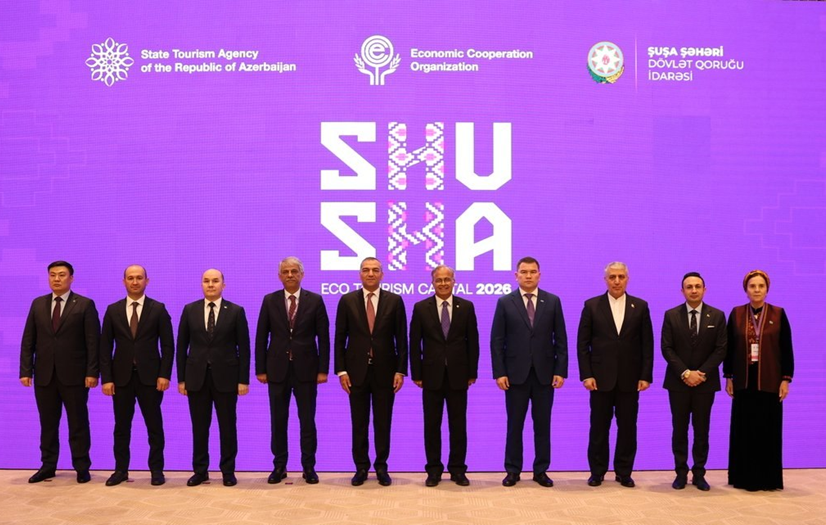
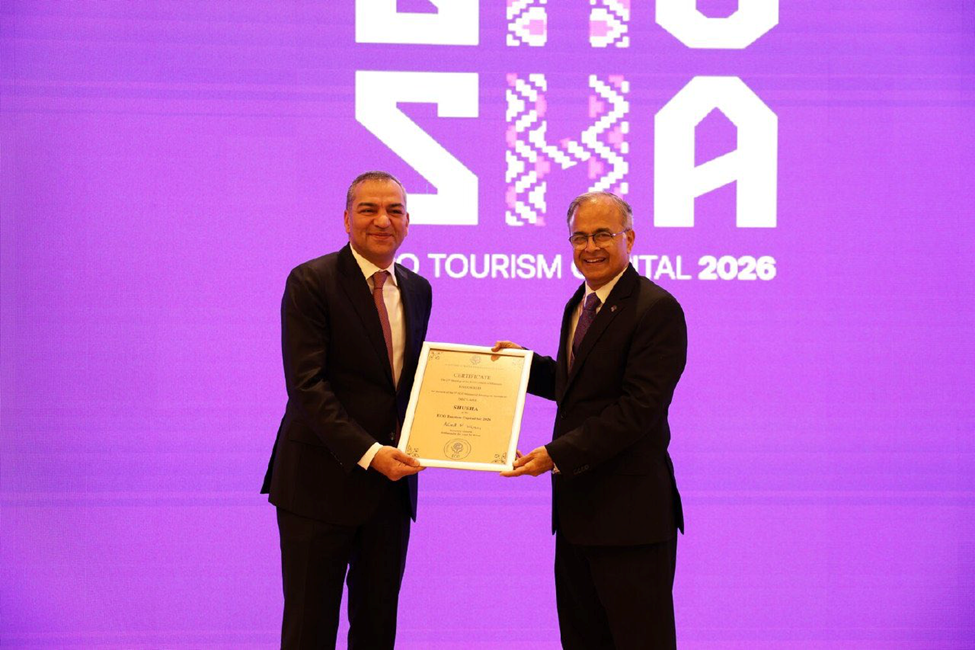
The official inauguaration ceremony for the Shusha as the ECO Tourism Capital 2026 was held on 29 April 2026 along with the 7th ECO Ministerial Meeting on Tourism and the ECO Secretary General Ambassador Dr. Asad M. Khan formally presented the certificate to the Chairman of the State Tourism Agency of the Republic of Azerbaijan in the opening of the meeting. The celebratory events also included a concert of Azerbaijan State Symphony Orchestrate on 27 April 2026 and a Gastronomy Fest on 28 April 2026 along with the 9th Meeting of the High Level Experts Group on Tourism.
Erzurum, located in Eastern Türkiye, is one of Türkiye’s most historic and culturally rich cities. Erzurum is one of the 30 metropolitan municipalities of Türkiye. The city has a population of 745,000 as of 2024 and there are 20 towns. City’s economy mainly depends on agriculture and livestock.
The ECO Tourism Capital for 2025, Erzurum is proud to present its unique blend of natural beauty, historical significance, cultural heritage, and hospitality to visitors from across the globe. Founded over 2,000 years ago, Erzurum has served as a crossroads of civilizations, trade routes, and empires—leaving a legacy that resonates in its architecture, cuisine, and traditions.
Historical and Cultural Attractions
Yakutiye Madrasah: A magnificent 14th-century theological school built by the Ilkhanids, the Yakutiye Medrese is known for its towering portal and ornate stone carvings. Today, it functions as a museum that showcases Islamic art and Erzurum’s ethnographic treasures.
Erzurum Castle and Clock Tower: Perched above the city center, the historic castle dates back to the Byzantine period. Nearby, the 19th-century Clock Tower offers panoramic views of the city and its surroundings.
Three Tombs (Üç Kümbetler): These intricately carved Seljuk mausoleums are among the most iconic symbols of Erzurum, reflecting the region’s medieval Islamic architecture.
Lala Mustafa Pasha Mosque: A grand Ottoman Mosque built in the 16th century by the famed architect Mimar Sinan. It remains a key place of worship and an architectural landmark.
Atatürk House Museum: This historical house where Mustafa Kemal Atatürk stayed during the Erzurum Congress in 1919 played a pivotal role in Türkiye’s War of Independence. It is now a museum open to the public.
Natural Beauty and Outdoor Adventures
Palandöken Mountain: One of Türkiye’s premier winter sports destinations, Palandöken is renowned for its long ski season and modern facilities. It has hosted numerous international events including the Winter Universiade and World Snowboard Cup.
Tortum Waterfall: Located north of the city, this is one of Türkiye’s highest waterfalls and a perfect destination for nature lovers. The surrounding area offers opportunities for picnics and photography.
Narman Fairy Chimneys: Often referred to as the “Cappadocia of the East,” this geological wonder features red rock formations that have been naturally sculpted over centuries.
Culinary Highlights
Erzurum boasts a distinctive cuisine with deep Anatolian roots:
Cağ Kebabı: A horizontal rotisserie-style lamb kebab, unique to Erzurum and beloved throughout Türkiye.
Kadayıf Dolması: A local dessert made by stuffing kadayıf (shredded pastry) with walnuts, rolling it, and frying before soaking in syrup.
Ayran Aşı (Yayla Çorbası): A refreshing yogurt-based soup, perfect for the city’s cool climate.
Modern Infrastructure and Accessibility
Erzurum is well connected by air, road, and rail. Erzurum Airport offers regular domestic and seasonal international flights. The city features modern 5-star hotels, conference facilities, and hospitality services, making it a rising destination for both leisure and business tourism.
Promotional Video for Erzurum:
Celebrations of the ECO Tourism Capital in 2025
Erzurum was formally inaugurated as the ECO Tourism Capital for 2025 during a distinguished ceremony held on April 26, 2025 as an alongside event of the 6th ECO Ministerial Meeting on Tourism.
Official Opening Ceremony:
The event, marked by cultural vibrancy and international camaraderie, was attended by high-ranking dignitaries, including H.E. Cevdet Yılmaz, Vice President of the Republic of Türkiye; H.E. Mehmet Nuri Ersoy, Minister of Culture and Tourism of the Republic of Türkiye; Ambassador Asad M. Khan, ECO Secretary General as well as local and international guests.
In his address, Vice President Yılmaz lauded Erzurum’s unique amalgamation of historical richness, cultural depth, and natural beauty, emphasizing its potential as a hub for eco-tourism and adventure tourism. Minister Ersoy highlighted Türkiye’s commitment to regional collaboration and the sharing of expertise in tourism development, describing Erzurum’s designation as a significant achievement.
Ambassador Khan reaffirmed ECO’s dedication to promoting sustainable tourism and regional integration, expressing confidence that Erzurum’s tenure as ECO Tourism Capital will foster this well-established tradition of the ECO.
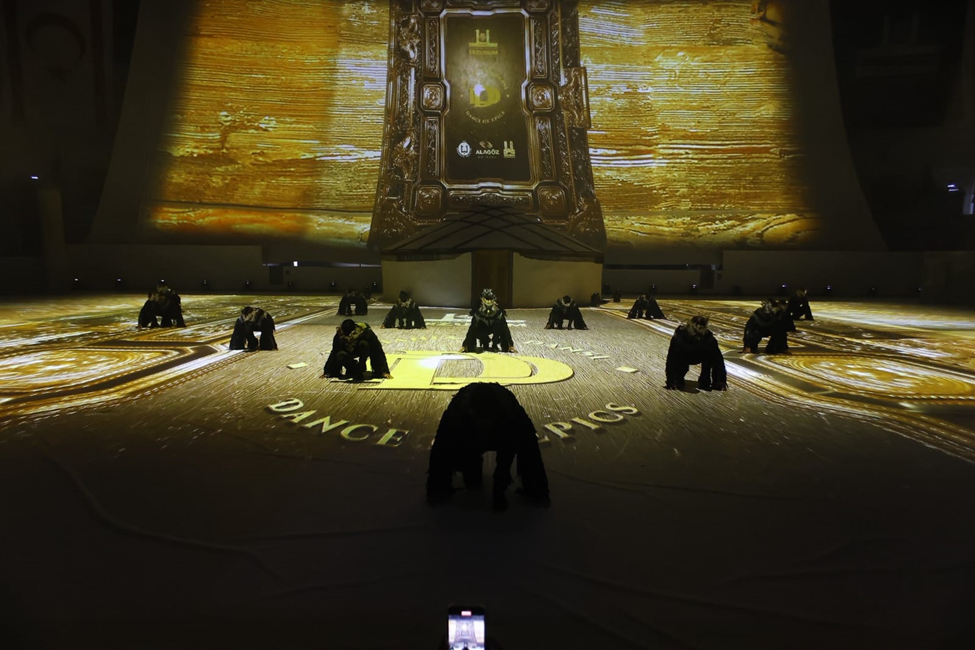
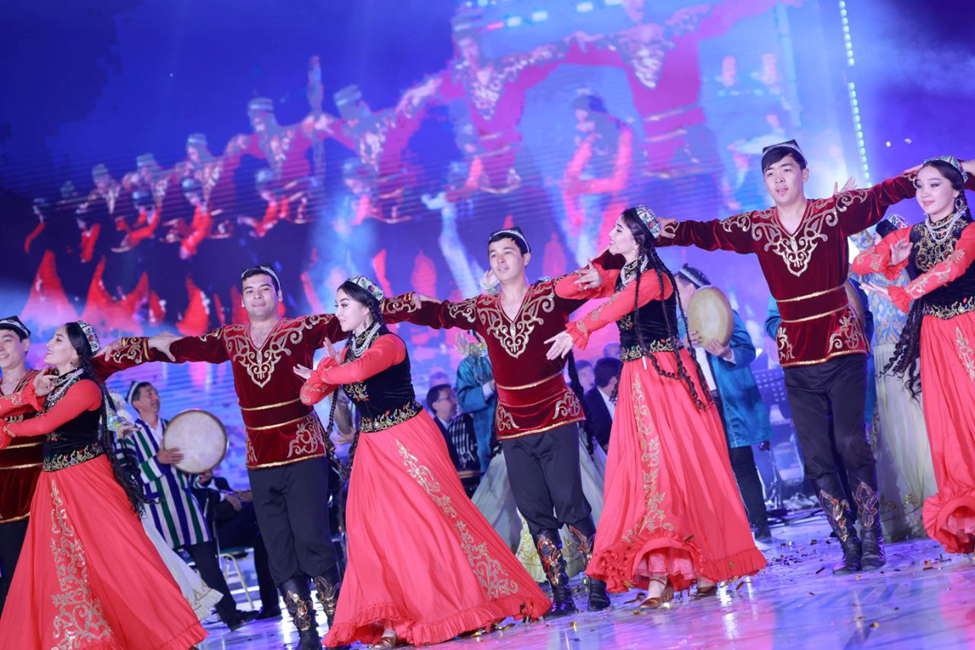
The ceremony included the official presentation of the ECO Tourism Capital 2025 certificate by Ambassador Khan to Mr. Mustafa Çiftçi, Governor of Erzurum, accompanied by Mr. Mehmet Sekmen, Mayor of Erzurum, and Mr. Muharrem Çığlık, Coordinator for ECO Tourism Capital 2025. The event featured captivating cultural performance, the “Dance of Epics” reflecting various historical story telling items and celebrating the city’s rich cultural heritage.
Erzurum has hosted a series of significant events, such as the Winter Games, World Snowboard Cup, and the ECO Winter Disaster Drill. The city’s calendar also includes the Drama Festival, International Cycling Tour, Cultural Road Festival, and Gastronomy Fair, among various local festivities, all aimed at showcasing Erzurum’s diverse attractions. Notably, Erzurum also holds the title of European Capital of Winter Sports for 2025, further cementing its status as a premier destination for winter tourism.
Shahrisabz is one of the ancient and beautiful cities of Uzbekistan. Its historical centre is included in the UNESCO World Heritage List. The great commander Amir Temur was born in this city.
The city with its green trees and flowers rightfully got its name “Green City”.
Popular landmarks
What to see in Shahrisabz?
Arriving to Shahrisabz, you should definitely see the ruins of the ancient Ak-Saray Palace, the Kok-Gumbaz mosque, the Dor-ut Tilovat memorial complex, and the mausoleums of Dor-us Saodat, Shamsad-Din Kulala, Gumbazi-Seyidan.
Interesting fact: The main highway – the large Uzbek highway, repeating the route of the great Italian traveler Marco Polo, passes through Shahrisabz.
Climate
The climate in Shakhrisabz is almost the same as in Samarkand. It also has a pronounced seasonality. Winter is mild and not cold, but it is better to have a woolen sweater in your luggage, because it is cool at night. Summer is usually very hot. Sometimes the daytime temperature lasts until midnight.
Gifts and souvenirs
Walking in the centre of Shahrisabz, you can see many souvenir shops located in the old madrassas or just along the road. Masters are ready to offer a huge variety of crafts, such as clay figures of good-natured grandfathers with watermelons, carved caskets and many fabrics. The magnets depicting the city, which can be found everywhere, dominate most of this. In addition to the usual clay and ceramics products, there are works made of wood, paper, leather and even marble.
Сuisine
Having visited Shahrisabz, do not forget to taste the local cuisine! The tandoor-kebab takes the second place in the list of the most delicious dishes after pilaf. Historically, the best tandoor-kebab is cooked in the Kashkadarya region! This dish came to us from the ancient times, when most of the inhabitants of Central Asia were nomads. Because people were constantly on the road, the cooks had to invent the new, faster and more convenient ways of cooking. Then a special method was invented for the preparation of tandoor-kebab. First, a hole is dug in the ground with a depth of not more than 1 meter and the same diameter. Then the firewood is put there. While the wood burns to the coals, the cook cuts the lamb into large pieces and flavours them with salt and special spices. Further, the meat pieces are sticked on skewers and are lowered into the hot pit. A plate made of felt is placed on top of the pit and sprinkled with a thick layer of ground. The main feature of this cooking method is the juniper branches, which are placed in the hearth for aroma and added as spices. You will not confuse this delicious taste with anything! Having tasted it once, you will never forget it! Follow the link to read more about Uzbek cuisine.
Celebrations of the ECO Tourism Capital in 2024
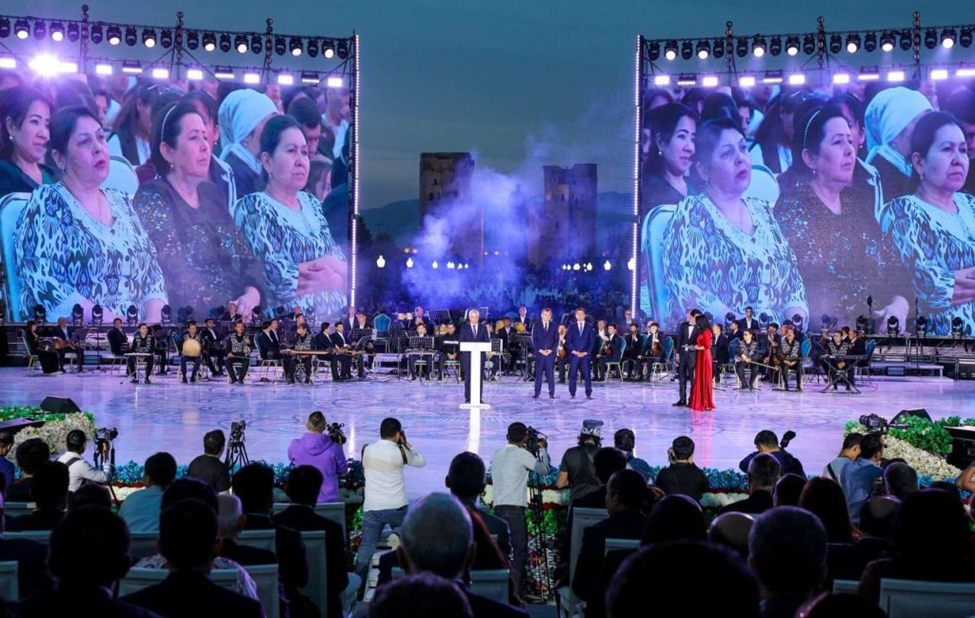
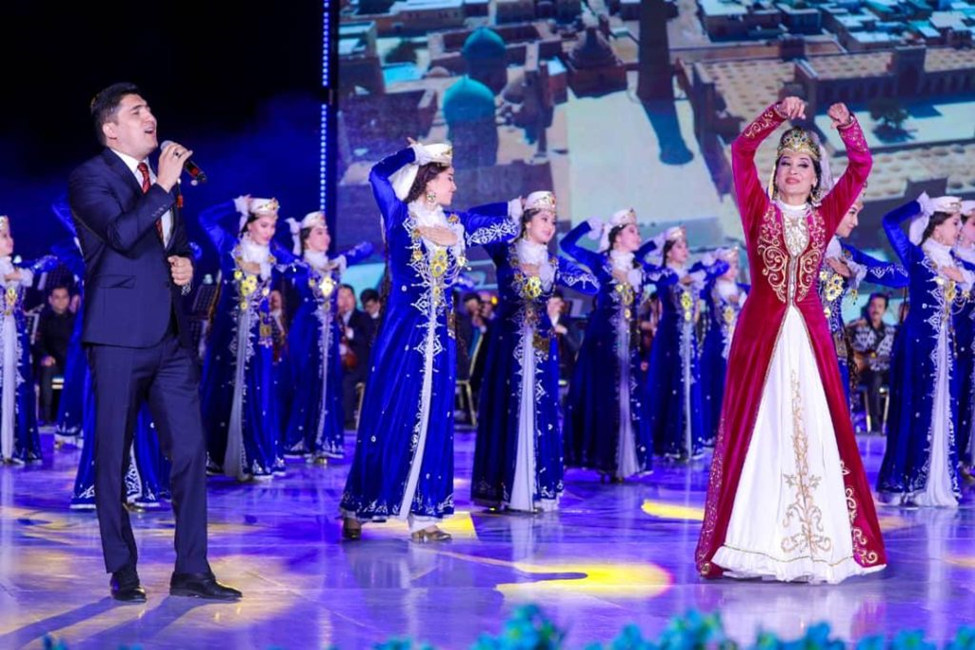
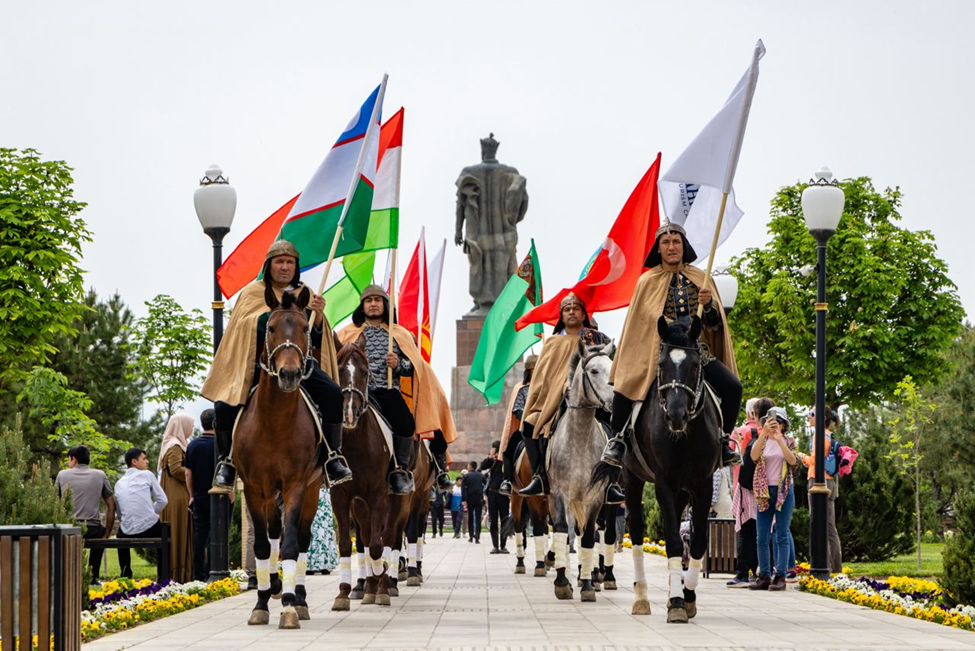
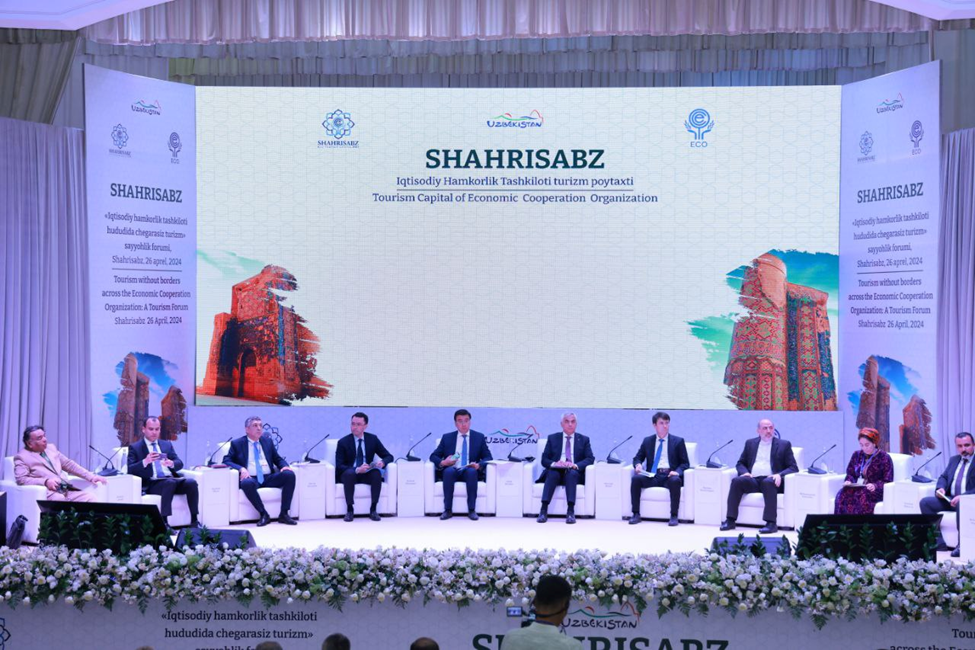
The city hosted to a grand international event “Shahrisabz, Economic Cooperation Organization Tourism Capital for 2024” from April 25th to 27th, welcoming delegates from across the ECO member states to celebrate its rich cultural heritage and burgeoning tourism industry. The event included a modest fashion show, folklore dance and concerts.
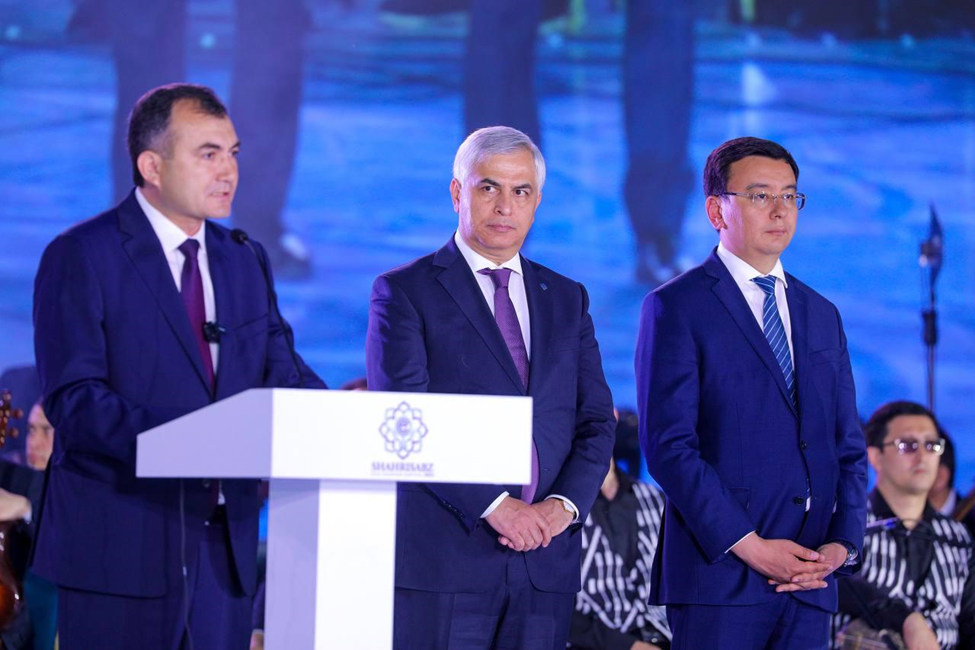
The official opening ceremony of the program showcased Uzbekistan’s cultural diversity and hospitality, on April 26. Welcoming the guests, H.E. Mr. Muradjon Azmov, the Governor of Kashkadarya region, expressed his gratefulness to the ECO Member countries for supporting the nomination of Shahrisabz city as the ECO Tourism Capital for 2024.
H.E. Mr. Umid Shadiev, Chairman of the Tourism Committee of Uzbekistan, stated that recognition of Shahrisabz city as the Tourism Capital of the ECO region is a great honour and pride for Uzbekistan. Historically, Shahrisabz was one of the main centers of the Great Silk Road, serving as a crossroads of trade relations, cultures, beliefs and ideas, he added.
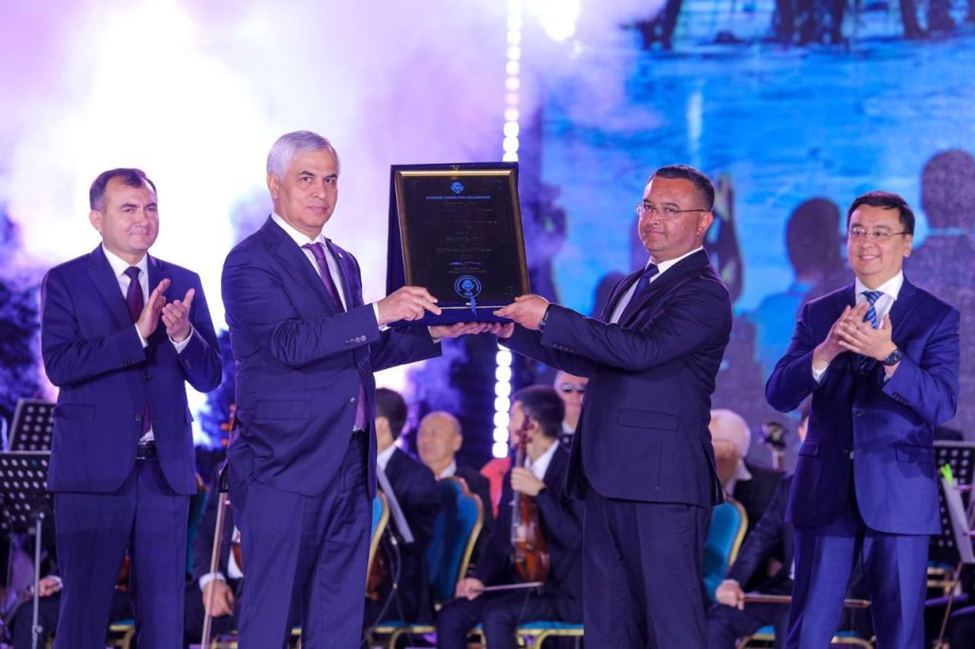
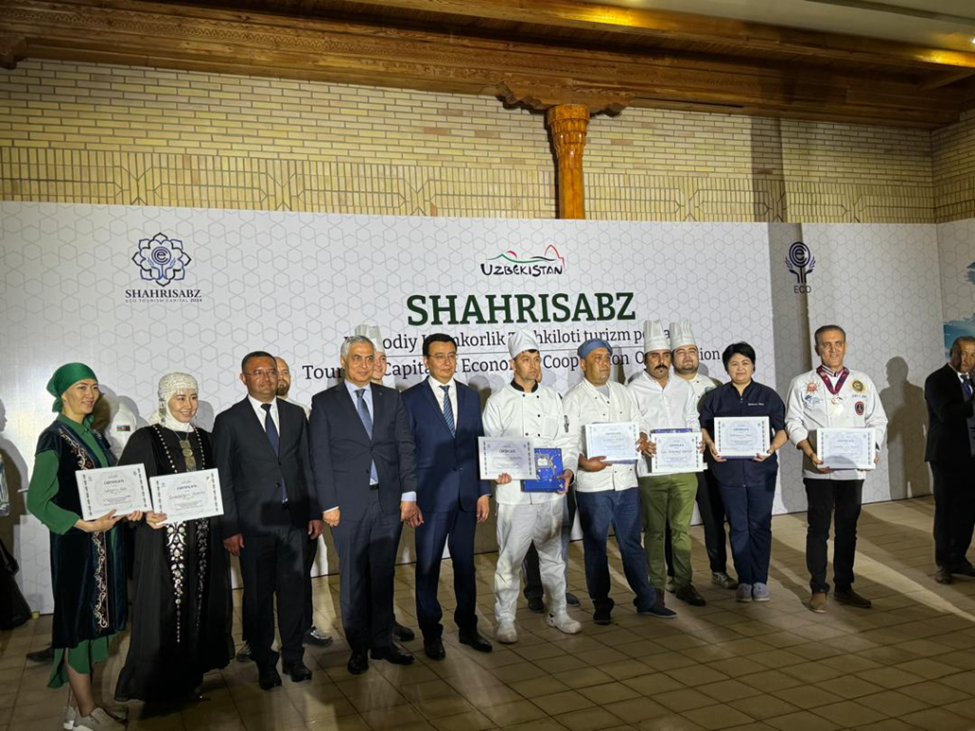
ECO Secretary General Ambassador Khusrav Noziri highlighted Shahrisabz’s tourism potential, while also underlining the rich history, cultural heritage, natural beauty and captivating allure of Uzbekistan. “The city shines as a beacon of excellence in our organization’s tourism landscape. From its legendary past to its stunning landscapes, Shahrisabz exemplifies the charm of Uzbekistan’s tourism,” he added. Ambassador Khusrav Noziri also presented a certificate to the Mayor of Shahrisabz Mr. Sherzod Boriyev officially declaring Shahrisabz City as the ECO Tourism Capital for 2024.
In the framework of the celebratory events of the official designation of Shahrisabz city of Uzbekistan as the ECO Tourism Capital 2024, the ECO Member States Cooking Competition took place on 25 April 2024.
Culinary chefs from different Member States prepared traditional dishes of their respective countries. The guests and delegates attending the festivities in Shahrisabz had a chance to taste the food at the stands of each ECO Member State.
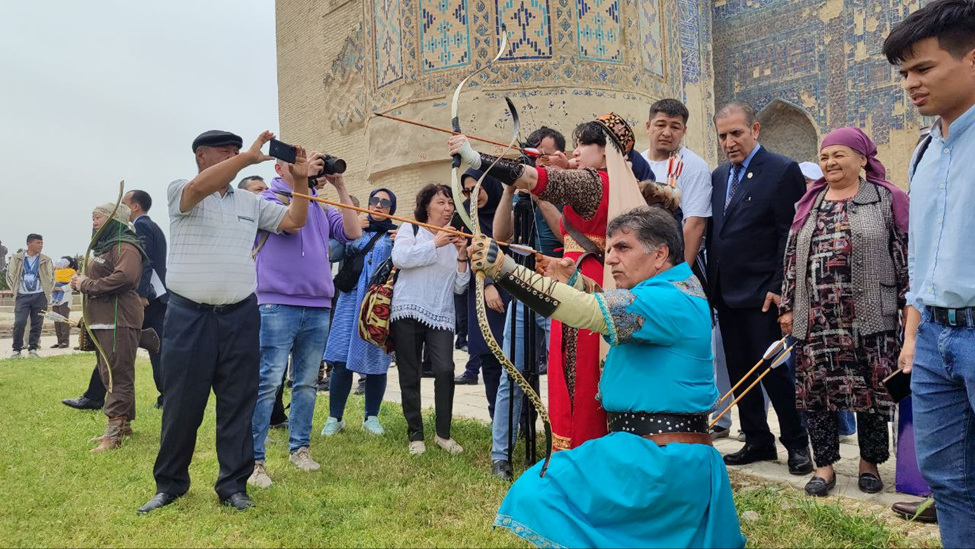
The inaugural ECO International Ethno Sport Games took place as part of the festivities commemorating Shahrisabz’s designation as the ECO Tourism Capital for 2024, on April 26, 2024.
A forum was also organized for sharing experience and practices on development of the tourism sector across the ECO region, on the sidelines of the Shahrisabz ECO Tourism Capital 2024 inauguration ceremony.024.
Ardabil Province is the twenty-fifth inscribed province of the country, located in the northernmost point of Iran. It covers an area of over 18,011 square kilometers, bordered by the Republic of Azerbaijan to the north, Gilan Province to the east, Zanjan Province to the south, and East Azerbaijan Province to the west. Geographically, it lies between 37 degrees 45 minutes and 39 degrees 42 minutes north latitude and between 48 degrees 55 minutes and 47 degrees 3 minutes west longitude. The average annual rainfall in the province ranges from 250 to 600 millimeters. According to the latest national divisions, Ardabil Province includes the counties of Ardabil, Bileh Savar, Parsabad, Khalkhal, Meshkinshahr, Moghan, Namin, Nir, and Kowsar (Kiwi).
History
According to historians, the name Ardabil is derived from “Ard” and “Vil.” “Ard” refers to the 25th day of each month and is also the name of one of the angels in Zoroastrianism, meaning “lawful” and “sacred.” “Vil” is an ancient Aryan word meaning “city.” Thus, Ardabil means “holy city.”
Throughout history, this city has been important due to its unique natural conditions and strategic location. Various ancient sites from pre-Islamic times have been discovered in this province, and numerous monuments from different governments of the Islamic periods have been preserved. The ancient site of Yeri, nicknamed the city of Yeri, near Meshginshahr, indicates the millennia-long history of human settlement in this province.
The peak of Ardabil’s glory can be attributed to the Safavid period when the Sheikh Safi al-Din Ardabili dynasty ruled.
Geography
Ardabil Province, surrounded by the Sabalan, Talesh, and Bozgush mountains, is bordered by Zanjan Province to the south, East Azerbaijan Province to the west, and Gilan Province to the east. Part of Iran’s common border with the Republic of Azerbaijan is also located in the north of this province. Ardabil is famous for its abundant hot springs.
Climate
Being surrounded by high mountains and snow-capped peaks makes this province one of the cold provinces of Iran. Therefore, the best time to travel to this place is spring and summer when the weather is milder. However, for snow and cold lovers, Ardabil is an ideal destination in winter.
Counties
Ardabil
The city of Ardabil is one of the coldest cities in Iran. Its name is recorded on Sumerian tablets and has a history dating back five thousand years. Most of the people make a living through agriculture, and Ardabil is rapidly industrializing.
The mausoleum and shrine of Sheikh Safi al-Din are the most important tourist attractions in this city, which is also included in the UNESCO World Heritage List. In addition to the tomb of Sheikh Safi al-Din Ardabili, the mausoleum contains several other tombs of great figures, including Shah Ismail I (the first king of the Safavid dynasty) and his wife. The mausoleum of Sheikh Amin al-Din Jabraeil is another important historical shrine in Ardabil.
Ardabil is home to Lake Shorabil, one of the largest natural lakes within a city in Iran. Recreational facilities such as boating, cycling, and a walking path around the lake are provided.
The Jameh Mosque of Ardabil, or Friday Mosque, is a relic from the Seljuk period, and the historic bazaar of Ardabil is another historical attraction in the city. Among the historical houses of Ardabil are the Sadeghi House, Ershadi House, and Seyyed Hashem Ebrahimi House.
There are several historical bridges in Ardabil County, including the Ibrahimabad, Haft Cheshme, Naderi, Seyyedabad, and Yaghoobiyeh or Panj Cheshme bridges. Some of these bridges date back to the Safavid period.
Neor Lake is a natural tourist attraction in Ardabil County, located about fifty kilometers from the city. There are beautiful hiking and walking trails around this lake leading towards the border of Ardabil and Gilan provinces.
Meshgin Shahr
Meshgin Shahr is located at the foot of Mount Sabalan and next to the Meshginchay and Khiau rivers. It was formerly known as Khiau.
The historical site of Yeri is one of the most important tourist attractions in Meshgin Shahr. Carved stones of the city of Yeri are of the most attractive parts of this ancient area, with images of people without mouths carved into them.
The Meshgin Shahr Suspension Bridge is a modern structure that is 365 meters long, making it the longest suspension bridge in the Middle East. Crossing this bridge offers a beautiful view of the Meshgin Shahr Forest Park.
There are several historical castles in Meshgin Shahr County, including Kohneh Castle, Qahqaheh Castle, and Div Castle.
Included in the list of Iran National Natural Monuments, Sabalan highlands are posits close to Meshgin Shahr. Besides mountain climbing to the peak, its heights and hillsides have also provided picturesque landscapes for nature trekking.
Namin
Namin is located in the border area between Iran and the Republic of Azerbaijan. The moderate climate of this city is influenced by the humidity and fog coming from the Caspian Sea. Some evidence suggests that the choice of the name Namin, meaning “moist,” emphasizes this fact.
Ten kilometers away from Namin, you can visit the Fandoghlu Forest, a lush area covered with chamomile flowers from late April to late June. During this time of year, wild chamomile flowers cover an area of several hundred hectares.
Soha Lake is another natural tourist attraction in Namin County, located near a village of the same name. Soha Lake is about forty kilometers away from Ardabil.
Heyran Strait on the road from Astara to Ardabil is also one of the most exciting roads in Iran.
Khalkhal
Known as Horaabad until 1358 SH, Khalkhal is located in the southern part of the province. Some archaeological findings date the history of this city back to the second half of the first millennium BC.
The Asalem-Khalkhal Road is one of the most spectacular roads in Iran; An 80-kilometer forest road bridging between the city of Asalem in Gilan Province to the city of Khalkhal in Ardabil Province. A winding road passing through forests and mountains.
Sarein
The city of Sarein is famous for its abundant hot springs, which attract many travelers to this city. There are many spa complexes and hot springs in operation in Sarein. The ancient hill of Anahita and the Alvares Ski Resort are other tourist attractions in the city of Sarein.
Accommodations
You won’t find luxury hotels in Ardabil, instead, there are several mid-range hotels in the city. Sabalan Hotel is one of them. Mahdi Hotel, Darya Hotel, Shoorabil Hotel, and Negin Hotel are other options.
In Sarein, however, there are many hotels, including the Laleh Hotel, Royal Park Hotel, and Ershad Hotel, which are good hotels in the city.
There are also several eco-lodges in Ardabil province, including Shouon Eco-lodge, Bajilar Sardabeh Eco-lodge, Kazaj, and Eco-camp Maleksooyi.
Handicrafts
Varni is one of the handicrafts of Ardabil province; It is woven using wool or silk threads, or a combination of both, and is sometimes used as a rug. The Ilsovan tribes in Dasht-e Moghan are one of the major producers of Varni.
Other handicrafts of Ardabil province include Kilim, Jajim, wood carving, traditional socks, and felt. Mafrash and Ojaq Qaraqi are other handicrafts with which the tribes of Ardabil province are occupied.
Local Foods
Ash-e Miveh is one of the unique traditional foods of Ardabil province, which is made from dried fruits. Ash-e Doogh is another cuisine made from chickpeas, rice, local yogurt, vegetables, and more.
Pichagh Gheymeh is a delicious food combined of almonds, meat, onions, eggs, and mulberry leaves. Saj Kebab or Saj Ghoorma should also not be forgotten. This dish is prepared with meat, onions, animal fat, dried lavash bread, yogurt, garlic, salt, and pepper.
Khashil is a popular Ardabil food in cold seasons, which is made with date syrup (honey), cracked wheat, flour, butter, cinnamon, and sugar.
Souvenirs
Honey, Sarshir, and local butter are special souvenirs of Ardabil province.
Halva-e Siyah is one of the old and famous snacks of the region. Baghlava and Fatir bread are tasty sweets and breads in Ardabil province.
Customs and Traditions
Among the various customs in the cities of this province, the ritual of “Parche Kasdi” can be mentioned, which is now only practiced in some areas of the province. Parche Kasdi was a female ceremony held before the wedding day, where family members sewed clothes for the bride.
The customs of Nowruz and mourning during the month of Muharram are other traditions that are held with the same traditional atmosphere in the cities of the province.
Celebrations of the ECO Tourism Capital in 2023
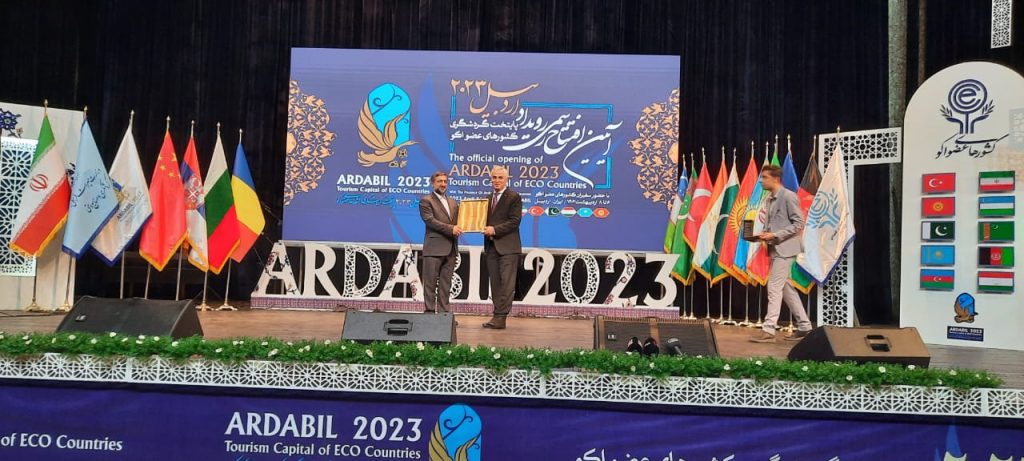
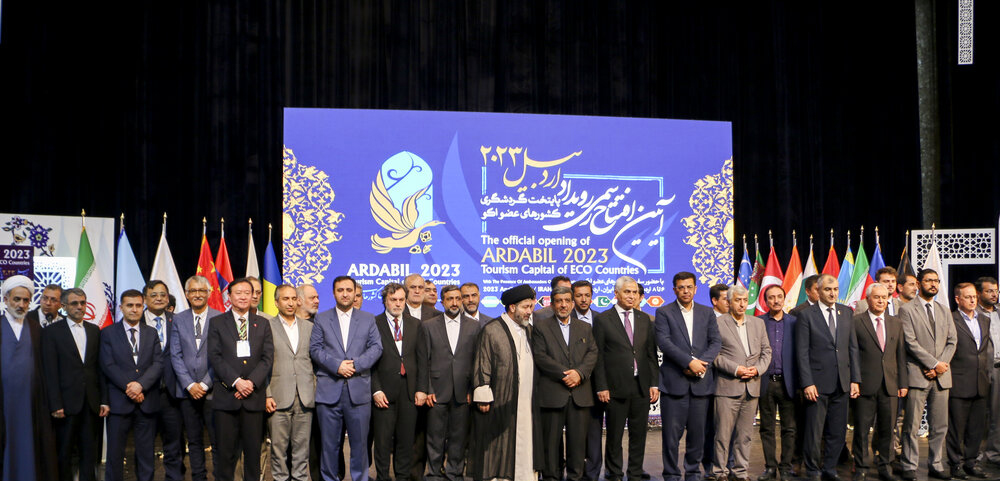
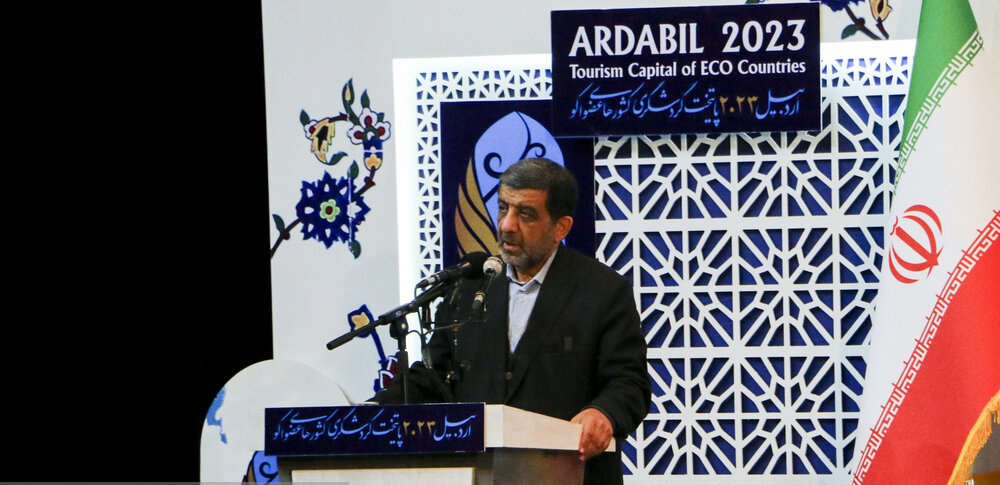
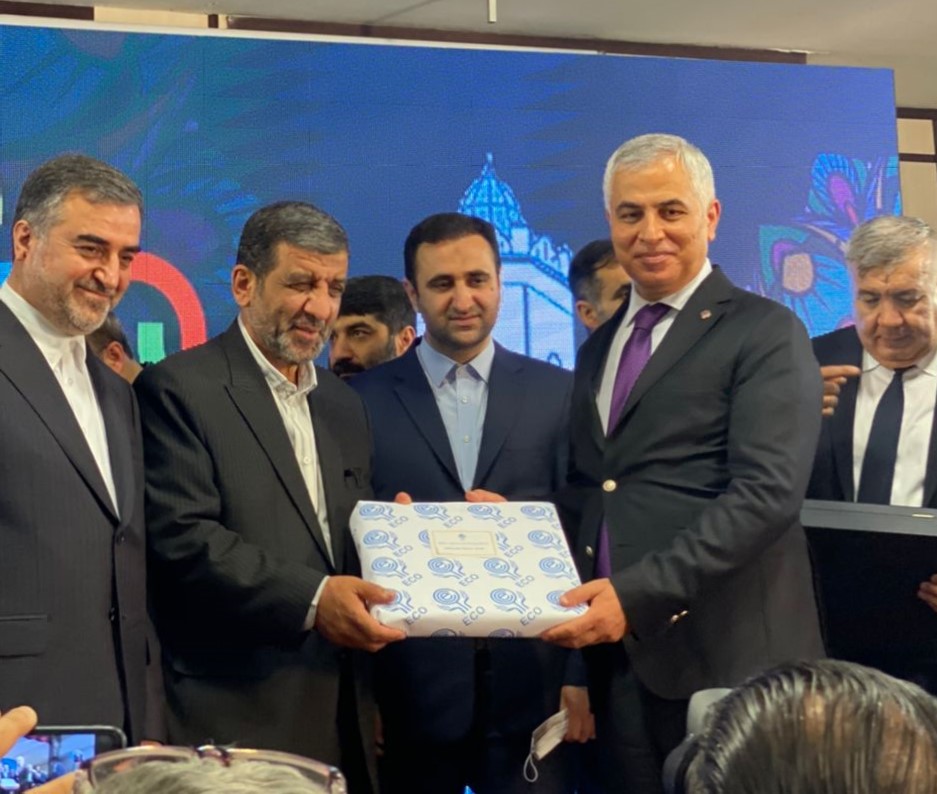
Ardabil City of the Islamic Republic of Iran was declared as ECO Tourism Capital for 2023. The event organized on April 27, 2023 was graced by the presence of H.E. Mr. Ezzatollah Zarghami, Minister of Cultural Heritage, Tourism and Handicrafts of the Islamic Republic of Iran, H.E. Mr. Seyed Hamed Ameli, Governor of Ardabil Province, ambassadors and diplomats based in Iran, Secretary General of ECO as well as the heads of Iranian Tourism Business Associations.
Inaugurating the festive ceremony, the Governor of Ardabil Province, H.E. Mr. Seyed Hamed Ameli stated that selection of Ardabil as the ECO Tourism Capital 2023 will serve as a gateway to the beginning of extensive communication and cooperation between Ardabil Province and ECO Member Countries in the fields of tourism, economy, agriculture, industry and culture. He highlighted that ECO is considered as the most influential regional organization in various fields playing a significant role in the development of economic, cultural and tourism relations.
The Governor General also informed the audience about the huge tourism potential of Ardabil Province and mentioned that the province plays a key role as a gateway between Iran, Russia and the Caucasus region. He also noted the importance of reviving silk road destinations for more tourist attraction into the region.
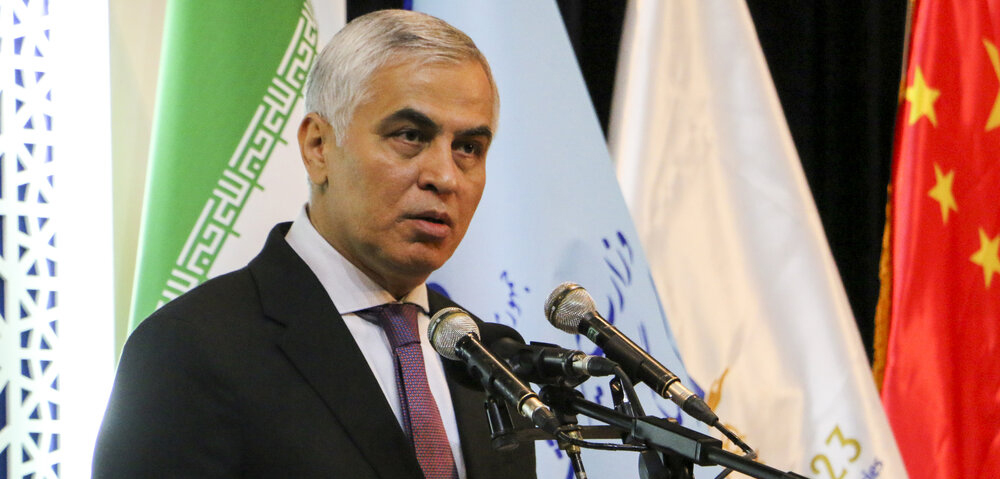
The ECO Secretary General Ambassador Khusrav Noziri presented a Certificate to the Governor of Ardabil Province regarding the declaration of Ardabil city as the ECO Tourism Capital for 2023. The Secretary General highlighted that being home to 74 UNESCO registered World Heritage Sites, the ECO region is a fascinating tourism destination with its natural endowments, diversity of historical and cultural values as well as evocative memories of the ancient Silk Road.
Recalling the selection of Ardabil as the ECO Tourism Capital for 2023, he expressed that Ardabil is famous for having lush natural beauty, hospitable people, and its silk and carpet trade tradition. Various ancient sites from the pre-Islamic era and many relics of different Islamic dynasties discovered in this province reveal the roots and traces of an ancient civilization in this region while the name of the city is recorded on Sumerian Tablets, depicting the history of about five thousand years, and also repeatedly mentioned in Shahnameh, which establishes the city’s importance in ancient Iran, he remarked.
The Minister of Cultural Heritage, Tourism and Handicrafts of the Islamic Republic of Iran, H.E. Mr. Ezzatollah Zarghami congratulated the authorities of Ardabil Province and ECO Secretariat for the successful coordination of the event. Expressing gratitude to ECO Member States for selection of Ardabil as ECO Tourism Capital 2023, he noted that tourism is the best public diplomacy which facilitates interactions between peoples and cultures.
On the sidelines of the event, a joint meeting between tourism stakeholders of ECO Member States, the Secretary General of ECO, Deputy Minister of Cultural Heritage, Tourism and Handicraft of the Islamic Republic of Iran and ambassadors and diplomats of the ECO countries discussed opportunities for enhancing regional interaction and cooperation in the tourism sector.
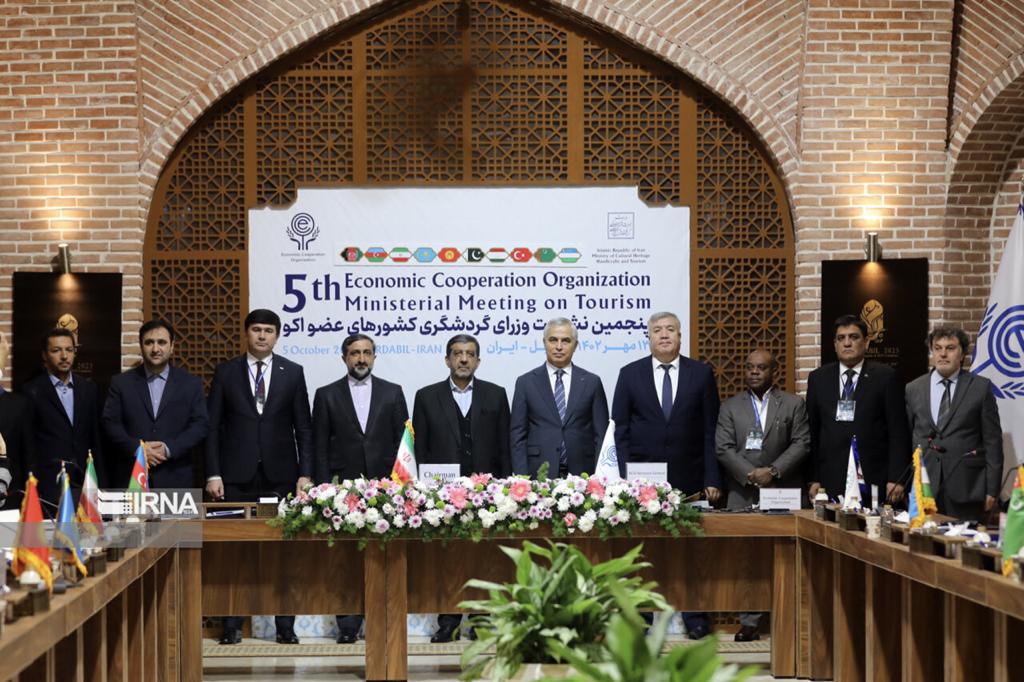
Ardabil hosted 5th ECO Ministerial Meeting on Tourism
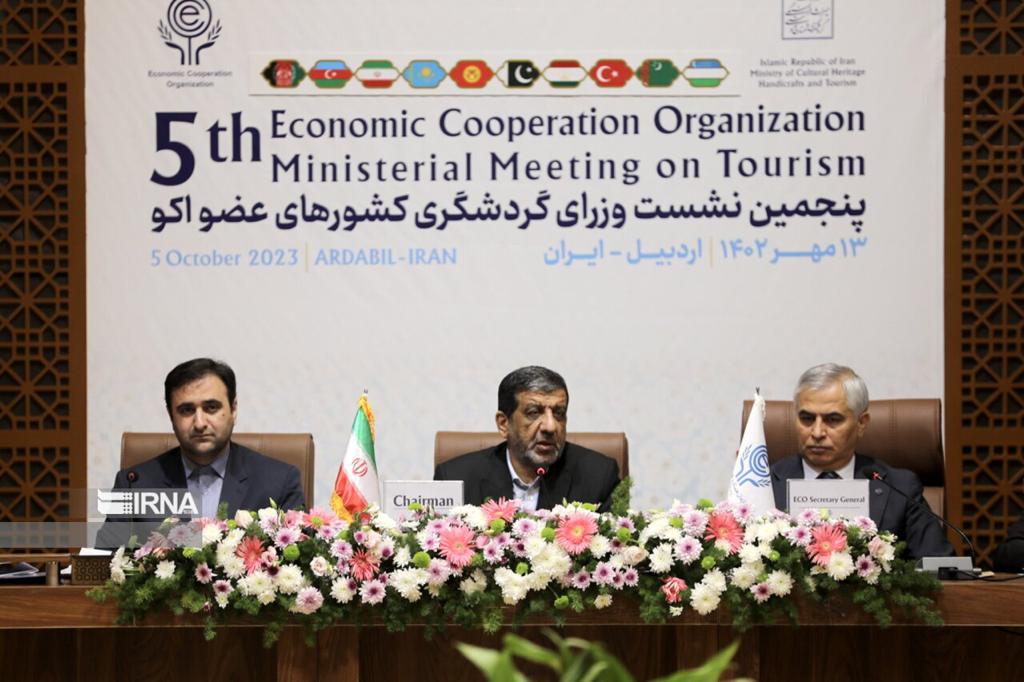
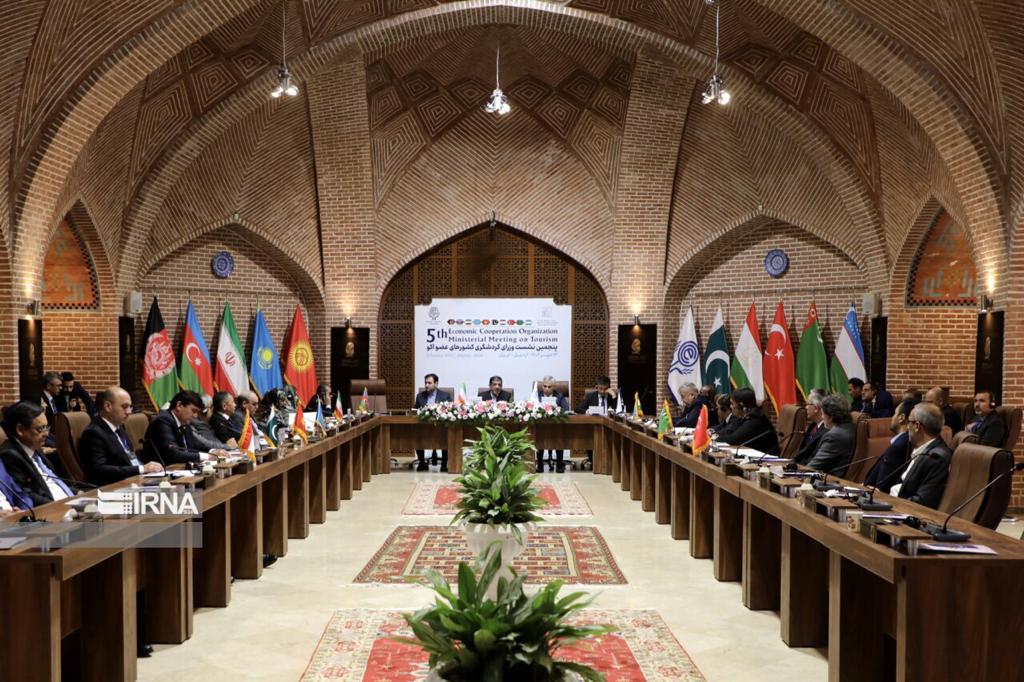
The 5th ECO Ministerial Meeting on Tourism, preceded by the High Level Expert Group (HLEG) Meeting was held on October 4-5, 2023 in Ardabil, Iran. The Ministers and high level representatives from the Member States, as well as the ECO Secretary General attended the meeting. The D-8 Secretary General Ambassador Isiaka Abdulqadir was invited to the event by the host country as a special guest.
The meeting was chaired by H.E. Mr. Ezzatollah Zarghami, Minister Cultural Heritage, Tourism and Handicrafts of the Islamic Republic of Iran. Honourable Minister, while welcoming the participants, stated that the ECO Member States should utilize their capacities in order to foster peace and solidarity, integration and regional cooperation in the areas of transportation, energy, trade and tourism. Honourable Minister emphasized that tourism industry had been acting as one of fast-growing economic sectors and had been the most significant pioneers of the economic growth in the world during recent years. Having national beauty, ethnic diversity, miscellaneous traditions and historical and cultural heritage, the ECO region has the potential to become a leading tourism destination in the world. In this context, he also highlighted the importance of the protection of the environment and cultural heritage sites.
The Minister expressed gratitude to the ECO Member States for selecting Ardabil as the ECO Tourism Capital for the year 2023, and noted that hosting current meeting in Ardabil is one of the significant consequences of the celebrations.
Addressing the meeting, the ECO Secretary General Ambassador Khusrav Noziri emphasized the importance of meeting to review the implementation of status of the agreements concluded during the 4th Ministerial Meeting on Tourism, along with revisiting tasks and activities defined within the Samarkand Declaration. He stressed that this Ministerial Forum is a significant event in terms of development and implementation of joint tourism projects and programs. The Secretary General further stated that the Ardabil Declaration would facilitate smooth execution of ECO’s policy based and action-oriented programs for ensuring regional activities at pre-pandemic level.
In addition, Ambassador Noziri mentioned that ECO is pursuing its cooperative relations with other regional and international tourism stakeholders and noted 25th Session of the General Assembly of the United Nations World Tourism Organization to be held in Samarkand, Uzbekistan on October 16-20, 2023. He added that this event would provide opportunities for collaboration in tourism sector and increase of the visibility of the ECO region.
During the meeting, heads of delegations from the ECO Member Countries delivered their statements, summarizing their national policies and ongoing tourism programs as well as engagements with regard to the promotion of tourism sector.
The meeting adopted the Ardabil Declaration outlining the areas for possible cooperation in tourism sector, and selected the city of Shusha in the Republic of Azerbaijan as the ECO Tourism Capital for 2026.
Sari, the capital of Mazandaran, is the biggest and most populated city in the province. The city is located in northern Iran, between the slopes of the Alborz Mountains and the southern coast of the Caspian Sea.
The city has been mentioned in Ferdowsi’s magnum opus, the Shahnameh (Book of Kings), which recounts Iran’s mythical and historical past. Excavations at Hutto and Kamarband Caves have provided evidence of the existence of settlements around Sari as far back as the 7th millennium BC.
Throughout its history, Sari has served as the capital of several local dynasties including the Bavandids (651-1349). Resket Tower is one of the tomb structures from this era. Lajeem is another similar tower believed to be a post-Bavandid structure.
In the Safavid era, the founder of the dynasty, Shah Abbas I (1571-1629), created his alternate capital in Farahabad just outside Sari. Shah Abbas is said to have chosen this location as his mother originated from Behshahr a town in Mazandaran Province. When the Qajar came to power they made Sari the capital of Mazandaran once again and the city became the center of their rule for a short period. The founder of the Qajar Dynasty Agha Mohammad Khan (1742-1797) originally held a coronation ceremony in Sari before moving his capital to Tehran.
The laying of the first Iranian railroad network began in this city. Sari has also been noted throughout history for its nature and many orange groves. The unique Badab-e Surt natural spring, which is the second registered natural attraction of Iran, is located in the Chahardangeh district of Sari.
The city’s Sa’at Square is one of the notable landmarks of the city. Local residents are known as Saravis or Sariyan. The population is a mixture of native Mazandaranis, Persians speaking people, Azerbaijanis, Caucasians, Kurds, and Turkmens.
Whereas neighborhoods were identified during the Qajar dynasty by the ethnicity of their inhabitants, this is no longer so. Sari, as well as other regions innorthern Iran, is well known for its hospitality. Sari used to be the home of Georgians, Armenians, and Zoroastrians, but today they are only from small minorities.
Local languages are spoken in some neighborhoods, but almost everyone understands and uses mainstream Persian as a lingua franca.
The unique nature and wildlife and favorable weather conditions have made the city very popular. Sari has distinct and manifold beauties and attractions and being a four-season city gives tourists the chance to enjoy the unique nature at any time of the year.
Besides, the local foods of Sari and its special souvenirs are very attractive to travelers and tourists. Sari’s handicrafts are also the manifestation of the art of the people who lived in the Caspian Sea region for many years and created the arts that are of interest to everyone today.
Textiles, wood carving, sock weaving, lacquer making, mat weaving, carpet weaving, jajim weaving, pottery, and carpet weaving are among the major arts of the people of Sari.
Last but not least, Sari is of special importance due to its location on the route connecting the east to the center of Iran. This city is adjacent to the Caspian Sea from the north and the forest and river from the south. Like other northern cities, Sari is a citrus producer and one of the hubs of rice and livestock products in the country. Also, Mazandaran Wood and Paper Company, one of the largest paper-producing companies in the Middle East, is located in Sari.
Source: ECO Heritage, Sari City Special Issue of ECI December 2022
Celebrations of the ECO Tourism Capital in 2022
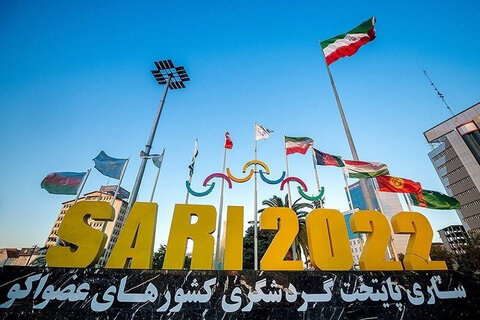
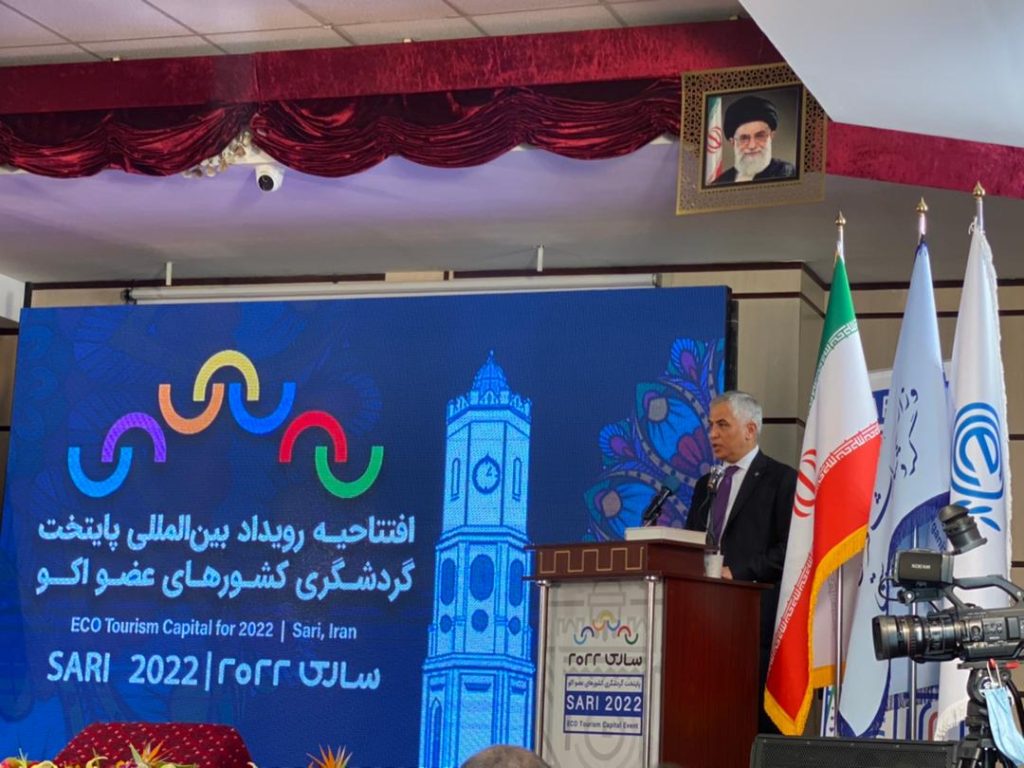
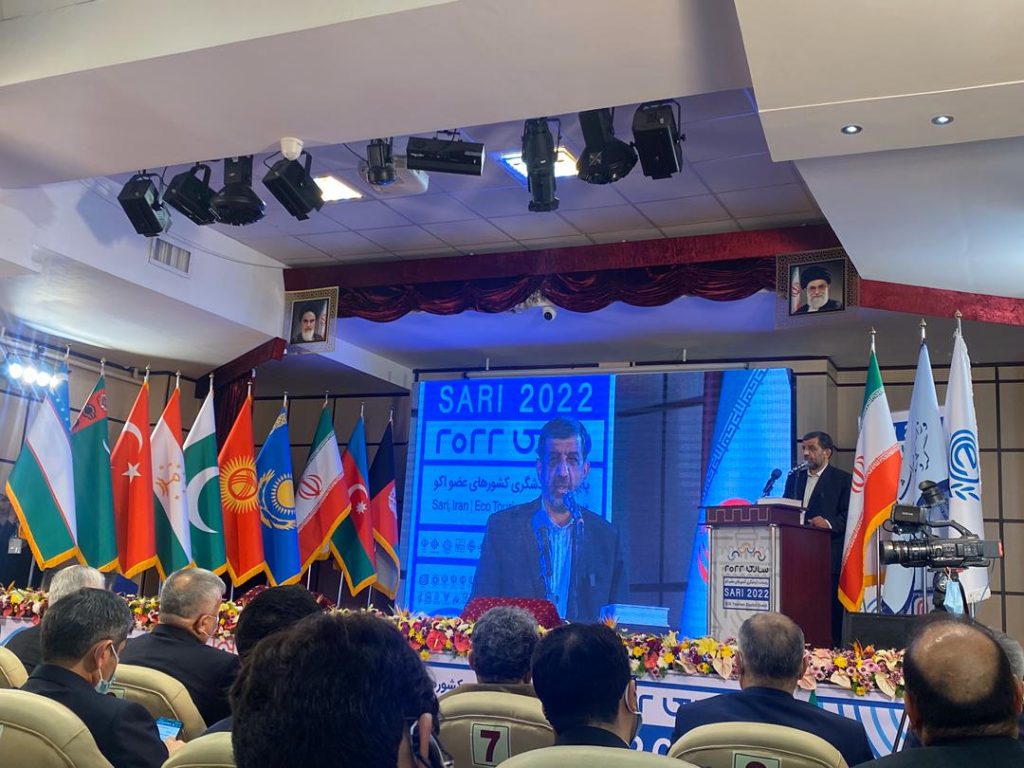
Sari, the capital city of the Mazandaran Province of the Islamic Republic of Iran, was declared by ECO to be its Tourism Capital for 2022. The occasion, organized on May 10, 2022, was graced by the presence of the Governor General of the Mazandaran Province, ambassadors and other diplomats based in Iran, Secretary General of the ECO and his relevant staff as well as the heads of Iranian Tourism Business Associations. During the event, the ways and means to develop and expand the ECO cooperation in tourism industry, especially in the post-COVID scenario, were explored.
Sari, the capital city of the Mazandaran Province of the Islamic Republic of Iran, was declared by ECO to be its Tourism Capital for 2022. The occasion, organized on May 10, 2022, was graced by the presence of the Governor General of the Mazandaran Province, ambassadors and other diplomats based in Iran, Secretary General of the ECO and his relevant staff as well as the heads of Iranian Tourism Business Associations. During the event, the ways and means to develop and expand the ECO cooperation in tourism industry, especially in the post-COVID scenario, were explored.
Inaugurating the festive ceremony, the Governor General of the Mazandaran Province, H.E. Seyed Mahmoud Hosseinipour welcomed and thanked the participants for attending the event. He made a detailed presentation on industrial and transit-transport potential of the Province, noting that the tourism industry that bears diversity of attraction in nature, health, agriculture etc., has got a huge potency for creating investment and job opportunities and thereby augmenting the sustainable development targets. He emphasized that the ECO Member States could benefit from such a scope and geographical location of the Province which possesses three seaports on the shore of the Caspian Sea and well-developed land routes, having the strength to serve the expansion of the North-South International Transport Corridor.
Expressing his views during the ceremony, the CPR’s Chair and the Uzbekistan’s Ambassador to Iran, H.E. Mr. Bakhodir Abdullayev recalled certain aspects of the tourism-related proposals given during the 15th ECO Summit at Ashgabat in November 2021. He appeared confident that the Sari event would oxygenate the ECO’s activities in tourism sector. He added that the 4th Ministerial Meeting on Tourism planned to be convened at Bukhara is expected to adopt an ECO Action Plan with a view to addressing and overcoming the post-pandemic challenges aimed at reviving the regional tourism. In addition, he briefed on the measures being taken by the Government of Uzbekistan in tourism sector under the guidance of the President of Uzbekistan, H.E. Mr. Shavkat Mirziyoyev. Ambassador Abdullayev informed that the 25th Session of the UN World Tourism Organization would be convened at Samarkand in 2023.
The ECO Secretary General H.E. Mr. Khusrav Noziri underscored the importance of tourism that occupies a central place on ECO’s agenda. He conveyed the Organization was deeply determined for accelerating the promotion of regional tourism industry through development of proper policies and strategies as well as relevant projects. He considered that the proclamation of Sari as ECO Tourism Capital for 2022 reflects ECO’s commitment and will stand along the indigenous communities to help them flourish and prosper, showcasing their tourism potential and capacities at greater scale and sight.
He also underscored the significance of other ECO initiatives for an enhanced trade and connectivity as well as increased people-to-people contacts aimed at securing greater regional integration. Concluding his remarks, the Secretary General presented a Certificate to the Governor General of the Mazandaran Province regarding the declaration of Sari as ECO tourism Capital for 2022.
The Minister of Cultural Heritage, Tourism and Handicrafts of Islamic Republic of Iran, H.E. Mr. Ezzatollah Zarghami explained that the core idea behind the ECO Tourism Capital (s) is to encourage the Member States for developing their relevant national plans and programs with the ultimate aim of poverty alleviation in the region.
Besides, it is targeted at seeking large-scale attention to nature, religious, health and culture tourism to support the overall socioeconomic wellbeing of the region. He believed Sari to be the right choice for ECO Tourism Capital since the city is regarded the symbol of whole Iranian land. He also underlined the importance of Road Tourism considering the borders’ linkages amongst the Member States.
During their visit to Sari, the delegates attended the opening of exhibition on commercial, agricultural, fisheries, mining, handicrafts, cultural heritage and tourist attractions of the Mazandaran province. They also visited Dashte Naz farming Company to familiarize with agro tourism potential of the area. The delegations were also taken to the various tourist sites of the province for their exposure and ecstasy.
The city of Dushanbe has rich tourism resources and provides comprehensive infrastructure and services for the development of tourism, which contributes to international political, scientific, cultural and technical activities, at the same time attracting the attention of the international community and thus strengthening the country’s image as a peaceful Republic of Tajikistan and having rich tourist resources and a favorable base. The development of the tourism industry of the capital, also contribute to the availability of historical sites, historical and architectural monuments, medical and preventive institutions, etc.
Currently, there are 40 hotels in the city, which serve guests from the country and abroad. At the same time, 10 cultural and entertainment parks, three national parks are located in the center of the capital, are tourist attractions for residents and tourists of the country.
One of the most important issues of joining the world tourism markets is membership in the world’s leading tourism organizations and participation in international exhibitions.
It should be noted that one of these organizations is the World Federation of Tourist Cities and the Board of the Federation is located in the city of Beijing of the People’s Republic of China. More than 130 cities of the world and 70 institutional organizations from among the large tourist companies, associations, airlines, hotel chains and recreation facilities are part of this Federation.
According to the strategy, in the near future Dushanbe will become a member of the World Federation of Tourist Cities.
Currently a number of tour companies regularly implement various flights to tourist areas of the country, including in the spectacular sights of Dushanbe, Dushanbe-Gissar Fortress, Dushanbe-Safed-Dara, Dushanbe – Norak (two kinds), Dushanbe-Iskandarkul (two kinds), Dushanbe – Varzob, Dushanbe – Romit, Dushanbe – Muminabad district (with a visit to the districts of Dangara, Vose and Kulyab city), Dushanbe-Panjakent, Dushanbe-Khujand, Dushanbe-Shahritus (with a visit to the reserve “Besha-i- Palangon” (Tigrovaya Balka”) – Dushanbe, Dushanbe-Badakhshan.
In Dushanbe there are 3 ancient monument, a fortress MIR (Bogh-i- Iram), the ruins of Shishakhona, small-town Chormaghzteppa, the fortress Iskandarkul, 4 monuments, such as the Architectural Complex of the Unity and Revival of Tajikistan with the statue of Ismail Somoni, Avicenna monument, the statue of Abuabdulla Rudaki, the Architectural and monumental complex of Aini and 12 architectural monuments. The city has 62 restaurants, 70 cafes, 156 national cuisines, 5 entertainment centers, 9 dry cleaners, 2 teahouses, 59 medical and preventive institutions for receiving guests, as well as domestic and foreign tourists.
According to international estimates, the city of Dushanbe is among the ten safest cities, which helps to attract tourists, and on this basis, all historical and cultural attractions of the city are included in all tourist routes.
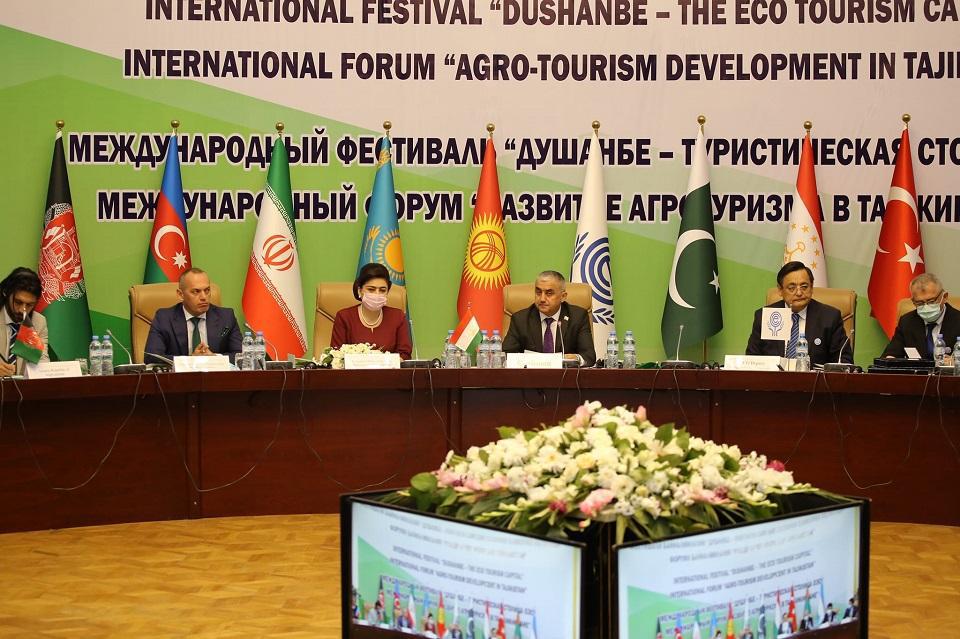
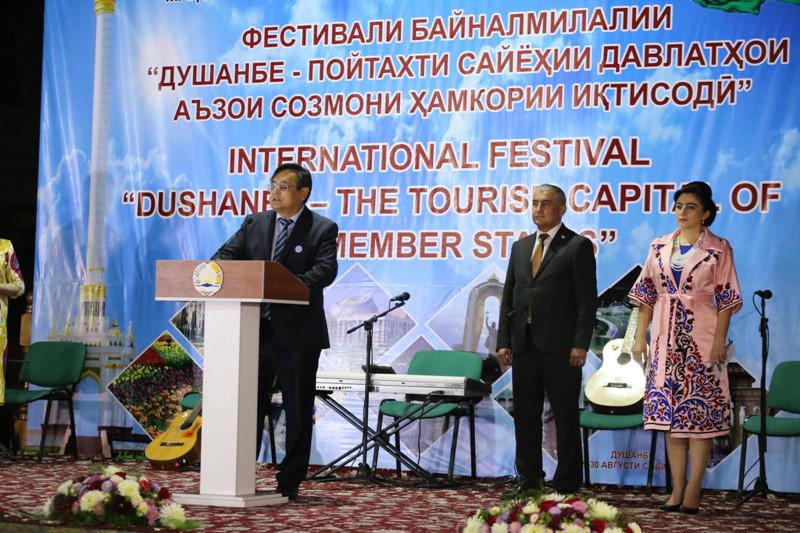
An international festival entitled “Dushanbe ,“ ECO Tourism Capital” was held on August 29-30, 2021 in Dushanbe, Tajikistan. A number of participants, including senior local dignitaries and the high-level delegations representing the tourism sector of the ECO Member States as well as delegation of the ECO Secretariat attended the event.
While welcoming the participants, Mr. Tojjiddin Jurazoda, Chairman of the State Committee for Tourism Development said that Dushanbe serves as a mirror of cultural and historical heritage of the country.
The Deputy Mayor of Dushanbe, Ms. Mavsuma Muini briefed the event’s participants about the development of the capital city in the recent years.
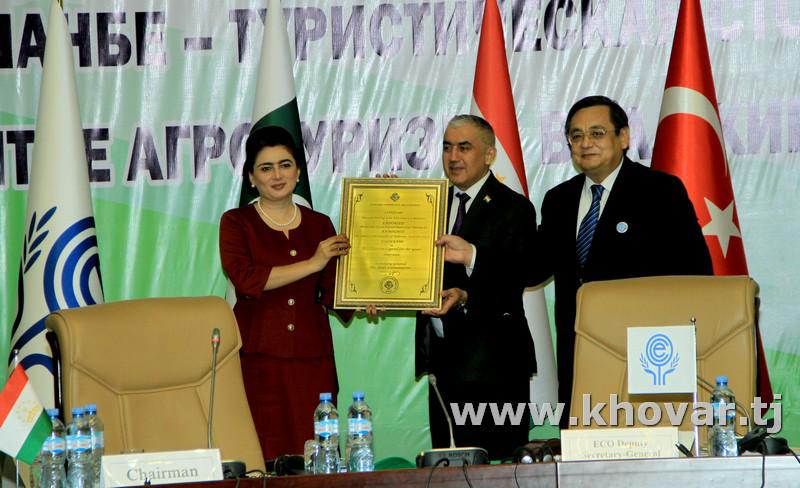
On the occasion, the ECO Deputy Secretary General, Ambassador Jandos Asanov presented, on behalf of the ECO Secretary General a certificate declaring the capital city of Tajikistan ,“ Dushanbe as ECO Tourism Capital for the years 2020-2021. In his remarks, Ambassador Jandos noted that the tourism sector of Tajikistan made remarkable progress under the patronage and vision of the country’s honourable President, H.E. Mr. Emomali Rahmon. He expressed optimism that the organization of such events would help realize our shared interests and objectives in the region’s tourism sector as per ECO Vision,“ 2025.
Within the framework of the international tourism festival, another event titled “Agro-Tourism Development in Tajikistan” was also organized. Moreover, the participants visited Tursunzoda and Hisar cities as part of the programme of events.