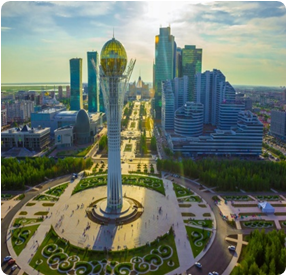
Kazakhstan

TOURISM IN KAZAKHSTAN

The nature of Kazakhstan is striking in its diversity and splendor. Towering mountain ranges, vast flat steppes, green valleys, sprawling deserts, deep canyons, and turquoise lakes – Kazakhstan has everything to stun even the most experienced traveler. Nowadays, when there are fewer and fewer areas of pristine nature in the world, Kazakhstan boasts an abundance of natural beauty. From time immemorial, our ancestral nomads lived in connection with nature, treating it with care and ensuring sustainability.

Another thing Kazakhstan is proud of is its cultural diversity. People of many nationalities call Kazakhstan their home, having created a unique cultural mosaic here. At the same time Kazakhs cherish their nomadic past, unique traditions, and customs, and pass them from generation to generation.

While the country is young, having gained independence in 1991 after the dissolution of the USSR, the history of Kazakhstan dates back centuries. Travelers will marvel at medieval underground mosques, mausoleums, and ancient burial mounds. Those interested in the Soviet Era will be delighted to see amazing examples of Stalinist architecture as well.

With such a rich past, Kazakhstan’s present is no less intriguing. Astana, the country’s new capital, is known for its bold, futuristic architecture. Meanwhile, the mountainous city of Almaty encompasses green alleys, fountains, museums, bazaars, and even the world’s highest-altitude skating rink.

However, Kazakhstan’s main treasure is its people. Hospitality is a feature of Kazakhs’ national character and you’ll definitely feel genuinely welcomed here.

Visit amazing Kazakhstan and have a chance to learn ancient traditions, admire breathtaking landscapes and immerse yourself in nomadic culture of Kazakhstan. Immersing yourself won’t be difficult since Kazakhstan has everything needed for a truly authentic experience.

TOP DESTINATIONS IN KAZAKHSTAN

  1. Astana

Astana is the capital of Kazakhstan and the one of the main cities to explore when visiting the country. Every landmark within the cityscape epitomizes the modern era, reflecting Astana’s remarkable journey as a beacon of contemporary development and innovation.

The new center of Astana, with wide avenues and unusual buildings, was built from scratch on the left bank of the Esil River; whereas the right bank of the river, with its calm and cozy atmosphere, still preserves the memory of the past.
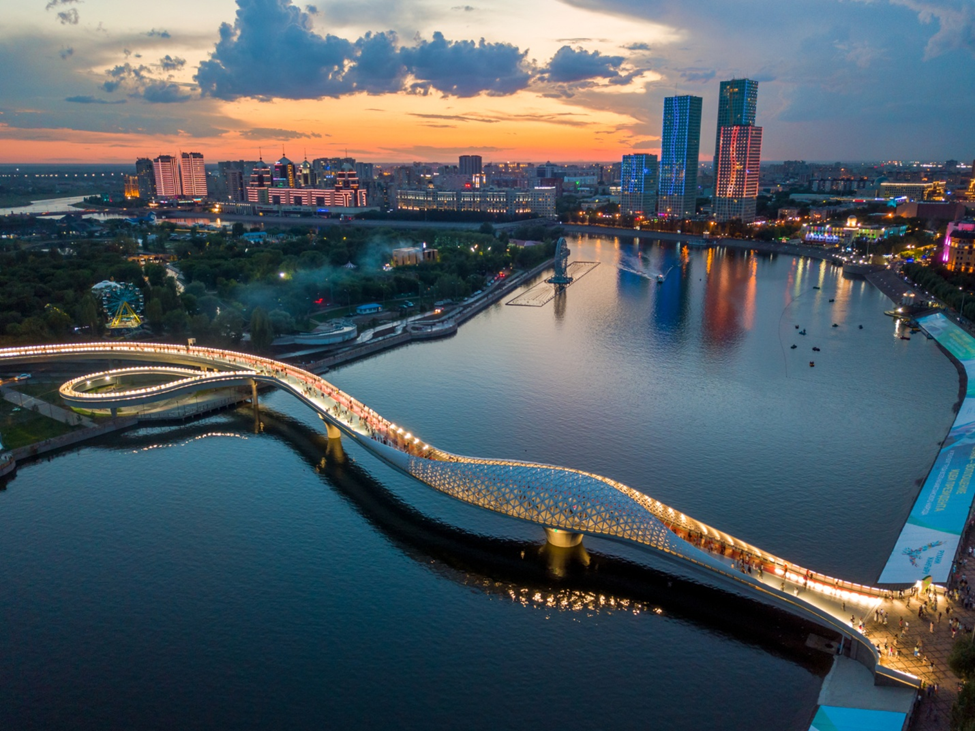
On the left bank are located such world-famous sights of Astana as:

  • Bayterek Tower, with a viewing platform at 97 meters. The building embodies a legend about a mythical tree of life and a magic bird Samruk.
  • Khan Shatyr, the largest tent-shaped building in the world, is a shopping mall, with restaurants, entertainment, and even an indoor beach.
  • Nur Alem Museum of Future Energy in the form of a sphere, each floor of which demonstrates different sources of energy.

The other part of the city contrasts quite noticeably with the left bank: old buildings and sights of the XIX century and Soviet period seem to take you into the past; however there is also a new district with the same unusual views and wide streets as on the left bank. Some of the sights worth seeing are:

  • Saken Seifullin Museum (the oldest building in the city), First Muslim School (today the building of a bank), trading house of merchant Matvey Kubrin (today Astana shop), merchant Vasily Kubrin’s house (State Archive), merchant Moiseev’s house (a hospital), etc., which were all built more than 100 years ago.
  • Old Square on the right bank, and Beibitshilik Avenue for a taste of Soviet history.
  • The snow-white Hazrat Sultan Mosque, the largest mosque in Central Asia, or the Palace of Peace and Reconciliation in the form of a sparkling pyramid.
  • We would also recommend visiting Astana Opera and the Astana Ballet theatres, multi-genre repertoires of which are constantly enriched with masterpieces of world classics and modern performances.

These are only a few of the activities that the capital of Kazakhstan has prepared for you. We definitely recommend staying here for longer in order to discover more.

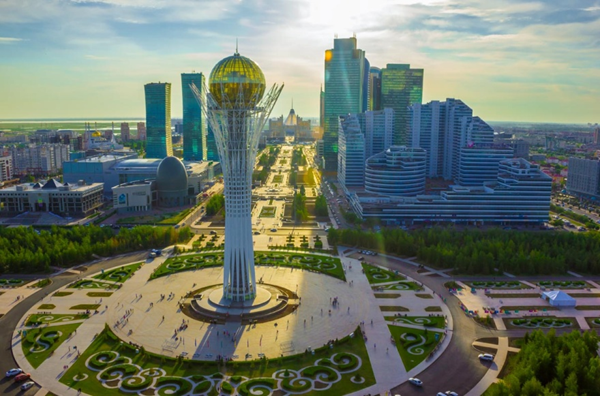
Baiterek – One of the symbols of Astana stands as a 105-meter tower adorned with a gilded orb atop. Named after the Tree of Life from ancient Kazakh folklore, Baiterek embodies the golden sphere as the egg of the revered bird Samruk dwelling within its pinnacle. The height of the observation deck (97 m) commemorates the year of Astana’s ascension to capital status – 1997. First President of Kazakhstan Nursultan Nazarbayev keep a part of himself in this monument in the form of his right palm’s golden imprint. Anyone can touch it,

make a wish and it will come true.
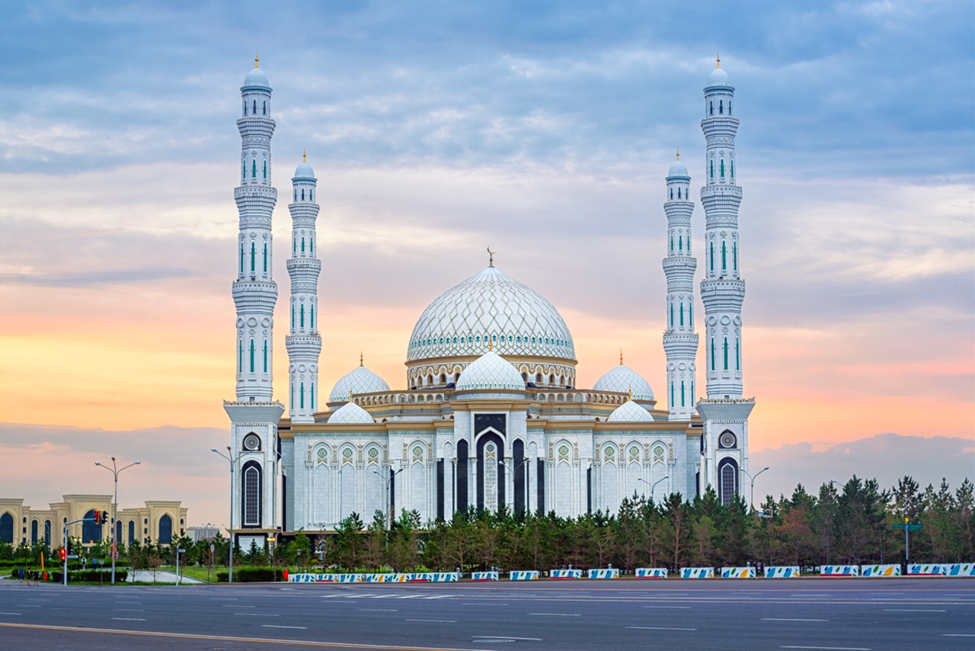
Hazret Sultan Mosque – the largest in Kazakhstan and the second largest in Central Asia, welcomes all visitors. Its name, «Holy Sultan» pays homage to the Sufi sheikh, poet, and philosopher Khoja Ahmed Yasawi, to whom the mosque is dedicated. This grand white edifice, boasting four 77-meter minarets and nine domes, sprawls across an area exceeding 11 hectares, capable of accommodating up to 10,000 worshippers.
Nur Alem museum of future energy – In 2017 the capital of Kazakhstan hosted an EXPO exhibition, themed “Future Energy”. Nur Alem National Pavillion is an after-exhibition heritage, now serving as a museum of future energy in Kazakhstan. Its unique spherical shape was in the spotlight before the opening of the exhibition and still attracts much attention. The museum is a 8-storey building. Each floor is dedicated to a different theme: “Solar power”, “Wind power”, “Space power”, “Bioenergy”, “Hydropower”, “Kinetic energy”, “National Pavilion”, and “Future Astana”. Energy sources are presented in an entertaining way. Visitors are advised to start exploring the museum from the top floor. In Nur Alem Museum the most advanced developments in the field of sustainable energy are displayed. These unique exhibits will not leave indifferent either a child or an adult.

  • The North Kazakhstan Region

The region is renowned for its breathtaking natural landscapes, making it an idyllic destination for eco-tourism. Nature excursions in the region thrive, showcasing diverse habitats including steppes, forest-steppes, birch and aspen-birch forests, willow thickets, expansive grasslands, and sedge swamps.

Burabay – a picturesque resort town in Kazakhstan, captivates visitors with its array of natural wonders, chief among them being the iconic rock formation Zhumbaktas. Perched at the base of Kokshetau Mountain in the heart of Blue Bay on Lake Burabay, the enigmatic Zhumbaktas rock formation beckons adventurers. We recommend climbing to Bolektau Mountain to enjoy the best view to the Lake Burabay and the mountains.

Imantau-Shalkar resort area exudes a charm reminiscent of Switzerland, owing to its unique natural landscape. Here, visitors encounter a picturesque tableau of lakes, mountain ranges, forests dotted with relict pines, and expansive steppe expanses. The majority of the lakes boast fresh water, with the exception of Lake Shalkar, which contains trace amounts of salts, yielding therapeutic benefits.
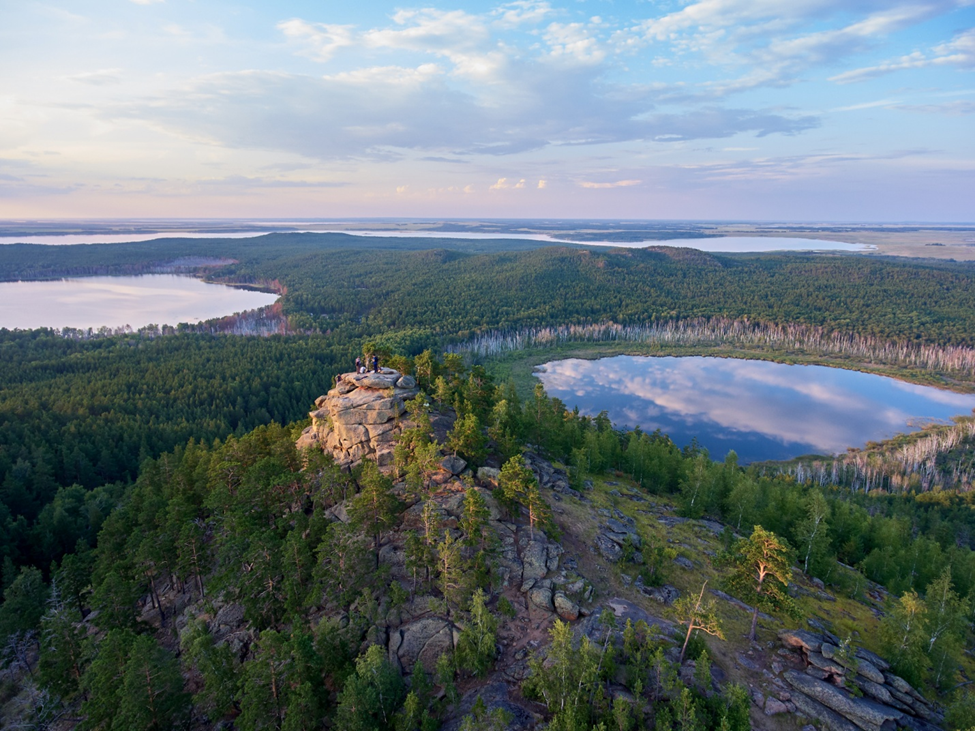
Zerendi – unfolds as a sanctuary of invigorating air and crystalline lakes, nestled amidst rocky hills steeped in ancient tales. Each boulder bears witness to a bygone era, breathing history into the landscape. Ascending to the summit, one’s heart swells with poignant sweetness as the endless expanse of forests unfolds before them. The gentle whisper of the wind and the tranquil rustle of birch leaves evoke

dreams amidst this tranquil haven.

  • Almaty and Almaty Region

Almaty is virtually the only megalopolis in the world with a world-class ski resort, which can be reached in just 30 minutes from the city center! In winter, it is incredibly cozy here: a lot of fluffy white snow covers huge spruces in the streets of Almaty, making the city look more like a decoration for Christmas movies. In spring and summer, Almaty will wrap you up with warmth, the scent of pine needles and mouth-watering smells coming from summer cafes and coffee shops. There are plenty of entertainment options here and absolutely for every taste!

The main sights of Almaty, which must be visited: Park of 28 Panfilov Guardsmen, Ascencion Cathedral (also known as Zenkov Cathedral), Green Bazaar, where you can taste and buy local food; Kok Tobe TV Tower and Recreation Area, where you can get on a cable car and enjoy a stunning view of the city. Also, walk through Jibek Joly Avenue and Panfilov Street, admiring the beauty of the local architecture. The Old Square (also known as Abay Square) is also worth visiting – something interesting is always happening there. 
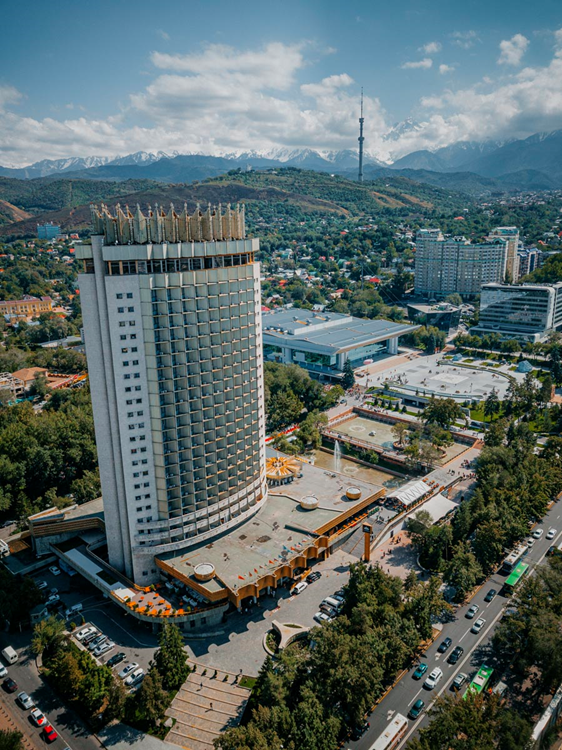
City entertainment: choose any among many malls, cinemas, restaurants, and clubs. Outdoor activities: Medeu, the highest skating rink at 1691 m above sea level, where you can experience skating in the open air with beautiful high mountains around; or Shymbulak Ski Resort, ideal place for skiing both for beginners and professional skiers, especially if you do not want to travel far from the city.

Trekking outside the city: Big Almaty Lake, Kok-Jailau or Charyn Canyon – incredible landscapes not far from Almaty, will be your best impression about your trip to Almaty.

At any time of the year, Almaty will welcome you with open arms – there is no bad weather here. Almaty is literally created for travel, so try to give it as much of your time as possible.

The Almaty region is rich in natural attractions. The region impresses with its picturesque landscapes. Here, you can find mountain peaks, waterfalls, lakes, rivers, valleys, and gorges.

Charyn Canyon – located 200 kilometers from Almaty, is a must-see for anyone exploring Almaty region. Stretching for 154 kilometers along the Charyn River, this natural wonder is crafted from sedimentary rocks that boast an age of approximately 12 million years. Often hailed as the «brother» of the renowned Grand Canyon in the USA, Charyn Canyon captivates visitors with its awe- inspiring beauty. Beyond its majestic vistas, Charyn Canyon is home to numerous natural attractions, adding to its allure as a must-visit destination.

Altyn-Emel National Park is notable for its unique location and diverse landscapes, ranging from rivers, deserts, and steppes to highlands, resulting in a rich flora and fauna. The park is home to 31 species of rare plants and 66 species of animals listed in both the Red Book of Kazakhstan and the Red List of the International Union for Conservation of Nature. Altyn-Emel State Scientific and Industrial Enterprise prioritizes the conservation and population growth of kulans, gazelles, deer, argali, Przewalski’s horse, and snow leopards.

Kolsai Lakes National Park a popular destination in the Almaty region, situated within the Northern Tien Shan. They are nicknamed the «blue necklace» for their remarkably clear water, reflecting the boundless blue sky on their surface. The Kolsai reservoir system consists of three lakes: Upper, Middle, and Lower, all of which are quite deep, cool, and exceptionally beautiful. Trekking routes, horseback riding excursions, and walks are organized here.

Kaindy Lake is an ideal place to relax, unwind, and meditate. It belongs to the Kolsai Lakes system and is its most prominent feature. The reservoir is surrounded by tall fir trees, although its name means «teeming with birches», despite the fact that birch groves are located a few kilometers from Kaindy. The lake is nestled in a hollow hidden behind dense forest, making it almost impossible to see the water surface from above. However, the most notable feature of the lake is the «silent guardians» – the weathered trunks of ancient fir trees towering right in the middle of it.
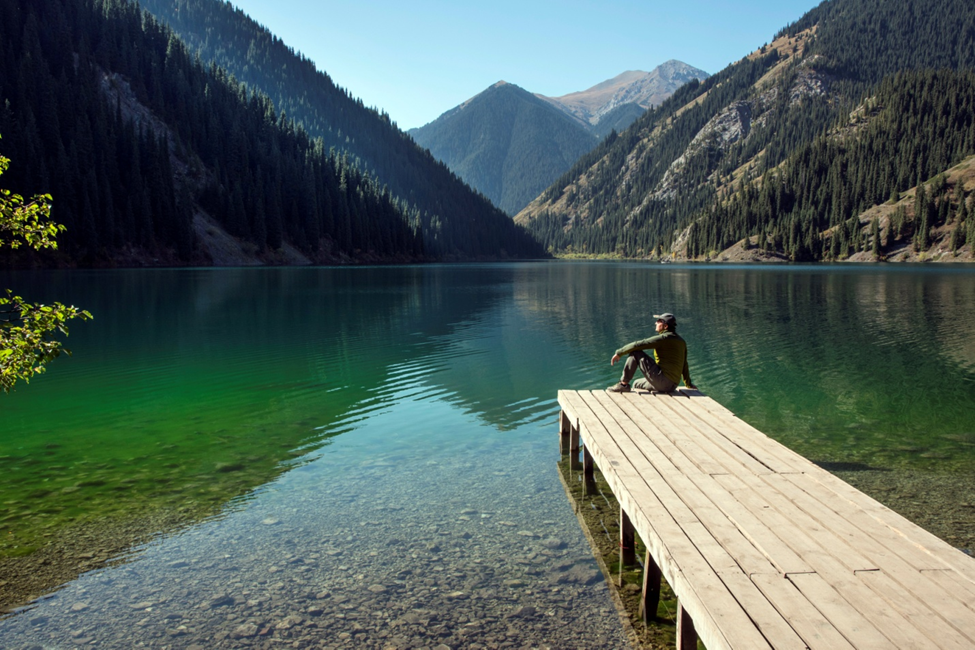
Ile-Alatau National Park is a unique natural complex situated in the Trans-Ili Alatau, in the northwest of the Tien Shan, and is under state protection. It is distinguished by the complexity and beauty of the landscape, as well as its amazing biological diversity. Covering an area of 199,000 hectares, the park spans the entire central part of the Trans-Ili Alatau, stretching 120 km from west to east and 30 km from south to north. The park’s territory ranges in altitude from 600 to 5000 meters. Being the closest nature park to Almaty, Ile Alatau is the most comfortable one in terms of infrastructure and rendered services. The Ayusai Visitor Center in Ile Alatau is located 30 minutes from the center of Almaty. Its concept is based on non-interference in the life of wildlife, focusing on its seasonal and local cycles. On the center’s grounds, there is a glamping and camping site called Tau Tas, offering opportunities to spend the night in nature. Ayusai regularly hosts activities such as excursions, masterclasses, quests, lectures, and film evenings. Red book plants grow around the Ayusai Visitor Center, and there are four springs on the premises: one next to the nearest waterfall, another near the campsite, and two springs on the Myn Koz trail. The Turgensai Visitor Center in Ile Alatau is situated in the Turgen Gorge, 70 km from the city of Almaty. The complex comprises parking, access and information areas, a catering area, a souvenir shop, a playground, restrooms, and terraces. Within the Turgen Gorge, visitors can explore the Kiely-Bulak spring, an ostrich farm, a trout farm, the Bear, Kairak, and Rocky waterfalls, the Chinturgen spruce forest, the Turgen and Kishi Turgen rivers, the Saka mounds, and much more.

  • Turkestan Region

Turkestan city stands as the spiritual capital of Kazakhstan, boasting a rich historical legacy as one of the country’s oldest cities. Nestled in the southern expanse between Kyzylorda and Tashkent, Turkestan is adorned with a plethora of ancient monuments despite its relatively modest size. Its origins trace back to 418, marking its significance as a pivotal settlement along the Silk Road caravan routes.

The Mausoleum of Khoja Ahmed Yasawi in Turkestan, as a sacred sanctuary, draws pilgrims from across the globe seeking solace and enlightenment. Here, amidst its hallowed halls, one can bask in profound tranquility, experiencing a soul- cleansing peace that rejuvenates the spirit and revitalizes the soul.
Ethnic yurt village is as a unique testament to the history of the Kazakh people, offering visitors an immersive journey into their customs, traditions, culture, and medieval way of life. A visit to the ethnic village provides an unparalleled opportunity to delve into the era of the Asian Middle Ages and immerse oneself in its unique atmosphere, gaining insights into the rich heritage of the Kazakh people.

Otyrar in the Turkestan region was once one of the largest centers of the Great Silk Road. The city emerged in the 8th century and was inhabited until the beginning of the 19th century. Otyrar, situated near the Syrdarya River at the descent of the Arys, was a significant agricultural region and a stronghold of nomads due to its location in the foothills of Karatau. The city witnessed Genghis Khan invasions, countering the attack during 6 months; death of Tamerlan, a founder of the Timurid Empire in Central Asia in medieval ages and many other historical events.

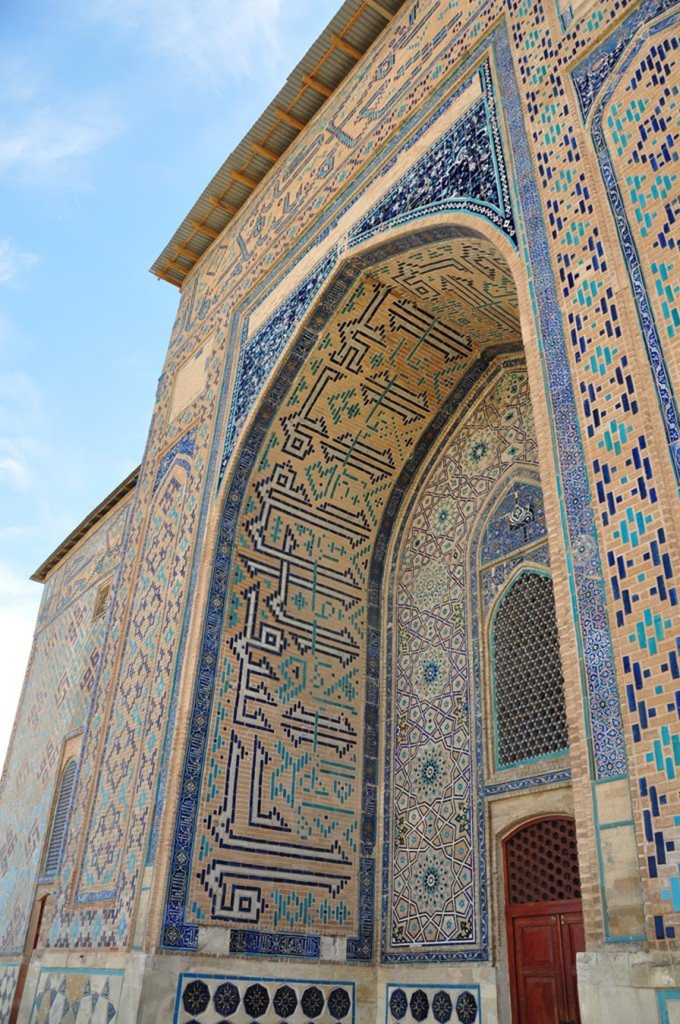
The Arystan Bab Mausoleum was founded in the 12th century, holds significance as the spiritual mentor of Khoja Ahmed Yasawi and, according to legend, an associate of the Prophet Muhammad. The mausoleum boasts a non-traditional external structure: its minaret towers, traditionally used for the azan call to prayer, resemble observation towers, while the most notable feature is the so-called ‘portal’— a wide arch blending Islamic culture with motifs of European and Russian architecture.

  • The Mangystau region

The region presents a surreal landscape reminiscent of scenes from otherworldly planets, boasting both historical and sacred sites infused with potent energy. Located in southwestern Kazakhstan and bordered by the Caspian Sea, Mangystau is renowned for its breathtaking canyons, majestic rocks, and towering mountains, earning it the moniker of «Martian landscapes». Contrary to expectation, these landscapes are not painted in hues of red but instead dazzle with their pristine white beauty.

Tuzbair Salt marsh is a remarkable natural wonder, surrounded by stunning canyons that attest to the majestic forces of nature. Nestled within the western crevice of the Ustyurt Plateau, a series of clay-limestone steps abruptly culminate, giving way to the expansive Tuzbair salt marsh below. Initially, the marsh may appear unassuming from a distance, with only two outlier mountains capturing the attention amidst the plateau’s main massif. However, upon closer approach along a nondescript road, travelers are greeted with a breathtaking panorama unveiling the incredible interplay of natural elements – water and wind – in an unparalleled display of beauty and grandeur.

The Karagie depression is one of the deepest depressions not only in Kazakhstan but also in the CIS, ranking as the fifth largest globally. Plummeting to a depth of 132 meters below the level of the World Ocean, it harbors Lake Batyr at its base. In ages past, this depression was an integral part of the Caspian Sea, as evidenced by ancient maps.

Mount Sherkala holds legendary status as a fortress built during the Middle Ages to safeguard the caravan routes of the Great Silk Road. At its base lie the remnants of an ancient caravanserai, while its slopes bear witness to niches once inhabited by guards, traces of rope ladders, and the remains of a secret passage leading to the summit.

Mount Bozjyra is a section of the slope of the Ustyurt plateau, where Mother Nature unleashed her imagination, crafting an otherworldly landscape in white hues. For countless millions of years, this area lay at the bottom of the ocean. However, at times, the ocean receded briefly due to deep Earth processes.

Underground mosques are historical monuments unique to the Mangystau region, hardly found elsewhere in Kazakhstan. These architectural structures date back to various time periods, and they still hold unsolved mysteries. During the Middle Ages, they served as the abodes of the earliest Islamic preachers. The names of these preachers are preserved in the names of the underground mosques:

Beket Ata Underground Mosque,

Shopan Ata Underground Mosque and Necropolis, Shakpak Ata Underground Mosque,

Karaman Ata Underground Mosque,

Sultan Epe Necropolis and Underground Mosque

UNESCO World Heritage Sites in Kazakhstan

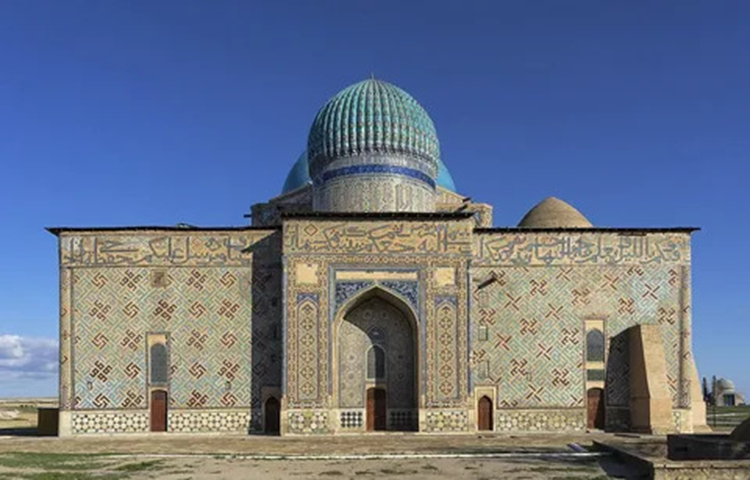
Mausoleum of Khoja Ahmed Yasawi – located in the city of Turkestan, the Mausoleum of Khoja Ahmed Yasawi is an architectural masterpiece and an important pilgrimage site in Central Asia. It was built in the 12th century and dedicated to the famous Sufi poet and philosopher, Khoja Ahmed Yasawi.
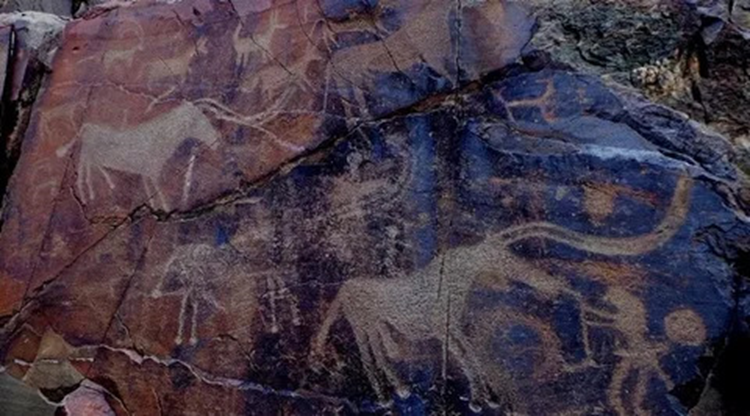
Petroglyphs within the Archaeological Landscape of Tamgaly are situated in the Tamgaly Gorge. This site contains thousands of petroglyphs dating back to the Bronze Age and the medieval period. The petroglyphs depict hunting scenes, rituals, and daily life of ancient nomadic tribes.
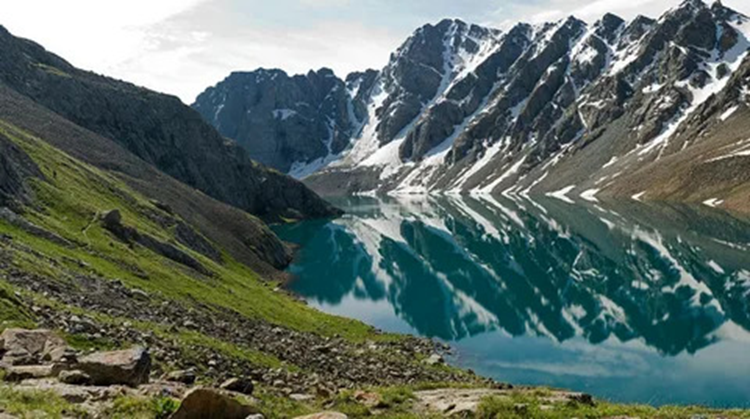
Western Tien-Shan encompasses a vast area of diverse ecosystems, including mountains, forests, and steppe grasslands. It is home to a wide range of flora and fauna, including endangered species such as the snow leopard and the Tien Shan brown bear.
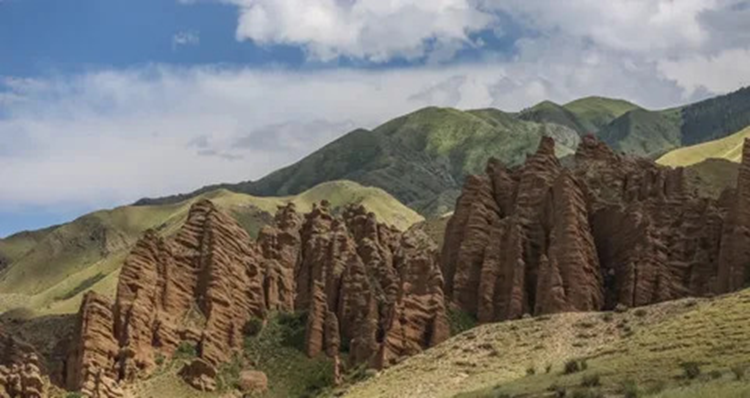
Saryarka – Steppe and Lakes of Northern Kazakhstan designated as a UNESCO site for its exceptional biodiversity, Saryarka comprises a network of interconnected steppe ecosystems and freshwater lakes. It provides critical habitat for migratory birds, including endangered species such as the Siberian white crane.
Silk Roads: the Routes Network of Chang’an-Tianshan Corridor – this UNESCO site represents a network of trade routes that connected Chang’an (present-day Xi’an) in China with the Tianshan Mountains in Central Asia. It played a crucial role in facilitating cultural exchange and trade between East and West during ancient times.
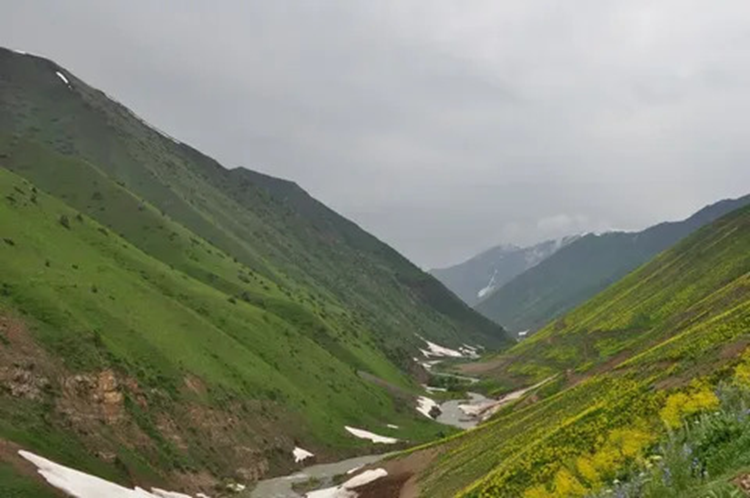
These UNESCO World Heritage Sites in Kazakhstan showcase the country’s rich cultural and natural heritage, attracting visitors from around the world.

Links to videos on YouTube channel:

СаяхатTime – Наследие ЮНЕСКО/ Қатон – Қарағай/ Meet Me In QAZAQStan (youtube.com)

UNESCO World Heritage Sites in Kazakhstan | Land of the Great Steppe (youtube.com)

The UNESCO Sites in Kazakhstan (youtube.com)

A        link      to         photos –

https://drive.google.com/drive/folders/1gvqgbiDBmQIiz5VkbbSC7jMInp_L HU6I?usp=sharing

Tourism Portals of Kazakhstan:

qaztourism.kz

qaztourism.kz

www.youtube.com/@KazakhstanTravel

Iran

TOURISM IN IRAN

10 Reasons Why You Should Visit Iran

A Different Experience

Iran is a land of rich history, intertwined with influential civilizations that have left an impact on the world. Today, with its ancient heritage, Iran envisions a prosperous future within its vast and diverse geography. Visiting Iran guarantees a truly unique and unparalleled experience. From the moment you arrive, you will be captivated by its countless attractions and enchanted by the harmony of its natural wonders, historical treasures, and the warm hospitality of its people.

An affordable journey that will leave indelible experiences in your memory forever, and in friendly gatherings, you will have stories to tell from these experiences.

1. Majestic Hospitality

From Smiles to Memories

In the company of the social people of Iran, you will experience a distinct approach and style of hospitality. They greet you with kindness and sincerity, making every effort to ensure you have a delightful time. Their hospitality is accompanied by tea and pastries, while also respecting your privacy.

This behavior is deeply rooted in the cultural and historical. They are unwavering in their commitment to hospitality, constantly striving to bring joy to their guests. It is a testament to their moral values. The warm and genuine spirit of Iranian hospitality leaves behind pleasant and serene memories.

2. Majestic Heritage

From History to Culture

Abundant and awe-inspiring treasures of Iranian architecture and art await you in the ancient and historical sites of Iran. Among them are 26 outstanding Iranian masterpieces that have been inscribed on the UNESCO World Heritage List up until the writing of this booklet. Observing these manifestations of Iranian culture will evoke profound emotions and meaningful thoughts.

Beautifully adorned mosques with turquoise tiles, exquisite Iranian gardens immersed in the play of light and water, palaces, and ancient houses all form part of Iran’s magnificent and admirable heritage. They narrate the rich history of this land and showcase the culture of its people to the world.

Architectural masterpieces blend the realms of mathematical precision and spiritual foundations, eliciting a profound sense of discovery within the soul of the observer.

3. Majestic Events

From Mythology to Modernity

By delving into the rich culture of the Iranian people, you will discover their centuries-old tradition of embracing magnificent and meaningful festivals that bridge contemporary life with ancient customs. Many of these festivals have deep roots in ancient patterns and mythologies, and some have even been recognized as intangible heritage by UNESCO.

Celebrations such as Nowruz (Persian New Year), Chaharshanbe Suri (Fire Festival), Haft-seen (Traditional New Year’s table setting), Ta’zieh (Passion Play), Yalda Night (Winter Solstice), as well as religious festivities like Eid al-Fitr and Eid al-Adha, Sadeh Festival, and the rituals associated with visiting Thaddeus Church are just a few examples that acquaint you with the vibrant tapestry of Iranian culture.

4. Majestic Handicrafts

From Art to Souvenirs

A wide range of souvenirs and remarkable artistic creations can be discovered in Iran’s traditional and modern markets. However, if you complement your shopping with the ambiance of traditional markets and the observation of seasoned artisans, shopping transforms into a richer experience beyond the ordinary.

Iranian handicrafts possess their own distinct cultural, artistic, and historical characteristics. Considering available climate and materials, Iranian artists create delicate and enduring works through their unique methods and attention to detail

What sets these creations apart is not only their exceptional quality but also their harmony with the environment, making them a wise and valuable choice.

A simple internet search or reading travelogues of both ancient and contemporary explorers will convince you that intricately woven Iranian rugs reflect the essence of all Iranian arts. Additionally, ceramics, jewelry, architecture, tilework, painting, weaving, music, calligraphy and metalwork stand as remarkable artistic achievements in Iran. By selecting from this diverse array, you can complete your collection of souvenirs and conclude the journey with a sense of fulfillment.

5. Majestic Gastronomy

From Appetizers to Desserts

Iranian delicacies and beverages, cherished heritage of mothers and grandmothers for the new generation, will leave an enduring imprint of unique flavors in your palate’s memory, thanks to the skillful culinary expertise of Iranian chefs.

 Exploring the hidden treasures of Iranian gastronomy reveals an orchestration of flavors stemming from the harmonious blend of indigenous herbs and spices, like saffron, and the patient art of slow cooking.

Embarking on a culinary journey in Iran offers a tantalizing array of delights in the realm of appetizers known as “khanche” or “sini.” Within this realm, one encounters a symphony of fragrant rice dishes, aromatic stews, tantalizing pickles, luscious sweets, refreshing sherbets, invigorating herbal teas and captivating distillations. And when it comes to desserts, the choices abound, from savoring dried fruits and nuts to indulging in the richness of halva, the coolness of ice cream and the artistry of pastries crafted in diverse regions.

Certainly, keep in mind that due to the expansiveness of this four-season country, you will have the opportunity to savor a variety of dishes with diverse flavors in every corner of Iran. These flavors are derived from cultural diversity, agricultural and livestock resources, as well as a wide array of different spices.

6. Majestic Literature

From Avesta to Shahnameh

Persian literature possesses distinct characteristics that set it apart from other languages of the world. One truly grasps this notion when visiting the historical homes or grand mausoleums of the poets of this land, immersing oneself in the significance and reverence accorded to these poets by the Iranian people. Poetry has been the starting point for their thoughts, history, and global mission, as evident in the verses of the “Gathas. (Attributed to the Iranian prophet, Zoroaster, 660 BC). Consequently, the Persian language finds its roots in Avesta.

From the time of Zoroaster to the present day, poetry remains the language through which aspirations and desires are expressed by this nation.

A brief exploration of Iranian poetry and literature leads us to the remarkable figure of Ferdowsi, who masterfully wielded the enchanting power of the Persian language in his epic poetry. Continuing in his path, Sana’i, Khayyam, Attar, and Rumi embraced the dynamic ideas, safeguarding the majesty of the Persian language.

Saadi’s poems have further enriched the Iranian poetic tradition with their moral themes and social traditions.

However, Hafez, who holds immense popularity among people, especially the younger generation, has become a global figure beyond imagination. Johann Wolfgang von Goethe, the poet, philosopher, and one of the pillars of world literature, praised Hafez and drew inspiration from him.

Contemporary Iranian literature, enriched by modernist poets, writers, and translators, encompasses various forms such as new poetry, fiction, and plays, allowing you to derive greater pleasure from the diverse content of literature.

7. Majestic Initiatives

From qanats to Chapar khaneh

Throughout millennia and past centuries, Iranians have consistently employed innovation to convert challenging and unconventional environments into prosperous and delightful spaces. While the list of Iranian initiatives and inventions in this domain is extensive, a concise reference is made to some of them:

Qanats, also known as kariz, are among these remarkable initiatives. With patience and perseverance, the builders of qanats excavated long tunnels to extract water from the depths of the earth, bringing abundance to their villages and cities. Qanats can be considered masterpieces of water resource management engineering and were an innovative technology of their time. Even today, in some of Iran’s desert cities, they are still being used.

Windcatcher towers, another thrilling innovation, channel the breeze indoors, maintaining coolness – an intelligent historic remedy for enduring scorching desert days.

Beside qanats and windcatchers, Iran’s ingenuity includes Chapar Khaneh (post houses) in the world’s oldest postal system, caravanserais for travelers’ comfort and security, astonishing icehouses for summer food preservation, and the Asbad (windbreak) technology, developed to harness the wind for winnowing wheat, barley, and more, stands as another testament to Iran’s native ingenuity.

Amid these diverse, magnificent creations, the medical use of alcohol and precise timepiece design stand as but a few of Iran’s remarkable innovations.

8. Majestic Nature

From Desert to Forest

If you have an interest in climbing, consider Mount Damavand, Asia’s tallest volcano. It stands in the southern part of the Mazandaran Sea within the heart of the Alborz mountain range, reaching an elevation of 5610 meters. This peak invites you for both summer and winter ascents. Furthermore, the Zagros mountain range in western Iran is also conducive to mountain activities.

For those captivated by forest exploration, the enchanting Hyrcanian forests await in northern Iran, gracefully hugging the Caspian Sea coastline. Spanning over an impressive 850 kilometers, these woodlands house an array of unique flora and fauna, including the elusive Persian Leopard and the elegant Lilium Ledebouri. Notably, they have earned UNESCO World Heritage distinction.

Forest trekking, birdwatching, and camping, as well as staying in the lush highlands of northern Iran, will simultaneously invigorate your adventurous spirit and soothe your desire for tranquility.

If you’re passionate about desert exploration, the sun and sandy dunes beckon you to embark on an exhilarating desert journey in Iran’s arid landscapes. Walking on the soft sands, setting up camp, and gazing at the star-studded desert sky during the night will undoubtedly create lasting and cherished memories. The desert region of Iran, stretching from its central areas to the eastern parts, boasts remarkable diversity, providing opportunities for various desert-adventure activities like camel riding, safaris, motorcycling, and even sand skiing.

The southern coast of Iran provides an ideal destination for various water-based recreations. Here, you will encounter pristine and untouched islands, while the warm-hearted locals serve as hospitable guides in unraveling the natural wonders of the southern region.

If nature exploration is among your interests, the waterfalls, springs, and wetlands of the Zagros mountain range provide an ideal backdrop for activities like hiking, trekking, scaling high peaks, and even fishing.

If caving is your passion, the presence of over 2500 identified caves with diverse features such as marshy, aquatic, and calcareous formations will undoubtedly capture your attention. Among the largest ones are Kotleh Khor Cave in Zanjan Province, Nakhjir Cave in Markazi Province, and Alisadr Cave in Hamedan Province.

9. Majestic Stay

From Locals to Luxerious

The options for accommodation when traveling to Iran are diverse. One can embark on a journey to remote and pristine areas, either alone with a backpack or with friends, immerse themselves in local communities and experience a fresh style of life at an affordable cost. Alternatively, they can opt for delightful stays in luxurious five-star hotels and boutique accommodations. Entering the rural countryside, participating closely in agricultural or livestock activities with the hosts, savoring natural delicacies and beverages and sharing in the joys and festivities of the local people—all these are unique experiences.

Therefore, Catering to every taste, there are diverse options for all types of travelers, whether it’s experiencing accommodation in a centuries-old caravanserai, spending a night in rock houses, or staying in a luxurious hotel.

10. Majestic Living

From Serenity to Treatment

If you’re considering well-equipped medical facilities, one of the options that will undoubtedly come to your attention is Iran. It’s a wise choice! A little research will reveal that Iranian skilled physicians have global recognition, and advanced specialized hospitals attract numerous patients from various regions around the world, including the Middle East, neighboring countries, and beyond.

Among the popular medical services sought by international visitors in Iran are dermatology and cosmetic treatments, fertility treatments, ophthalmology, cardiovascular procedures including stent placement, orthopedics, joint replacement, major surgeries, and services such as endoscopy, cancer diagnosis and treatment, organ transplantation, and dental care, which are all noteworthy.

During this medical journey, Medical applicants will have the opportunity to benefit from the serene and healing nature of mountainous, forested, desert, and coastal regions, as well as therapeutic hot springs.

Remember that traditional Iranian medicine also has a significant number of enthusiasts, and you can experience it in its own unique spaces. Prevention takes precedence over treatment in traditional Iranian medicine, and its core principles emphasize the use of herbal remedies, offering you a healthy lifestyle

Majestic Heritage

Cultural and natural heritage sites inscribed by UNESCO reflect the essence of a nation and its landscape. With 26 registered sites (as of the current time), Iran holds the tenth position globally in terms of the highest number of UNESCO-listed properties.

1. Persepolis

The remnants of the historical complex of Persepolis (dating back to 518 BCE) transcend the boundaries of urban concepts, construction technology, and art of its era. The architects ingeniously carved images of dignitaries, soldiers, and tribute bearers onto its surfaces, narrating stories to observers and showcasing the innovative brilliance of that era. This architecture, technology, landscape design, and everything related to it, together present a magnificent representation of significant historical stages.

Today, you have the opportunity to climb the ceremonial staircases alongside the guests of the Achaemenid kings, be awed by the captivating architecture of the palace complex, and witness the ingenuity of people from 2500 years ago up close as they transported and used colossal stone sculptures.

2. Choga Zanbil

At this temple, you’ll encounter numerous brick inscriptions seemingly holding hidden secrets. Deciphering these inscriptions underscores the sanctity of the site, believed to be a gift from Untash-Gal, the Elamite king, to Inshushinak, the celestial guardian of Shush city. Its construction dates back 1250 years before Christ. Archaeologists regard this structure as Iran’s earliest religious building.

Chogha Zanbil’s pyramidal architecture, the largest ziggurat outside of Mesopotamia and a prime example of stepped pyramid structures, sets it apart. Each level is positioned independently on the ground but not directly above the lower one, resulting in a distinctive design.

This five-tiered sanctuary comprises three concentric tiers made of mud bricks. The central tier houses the main temple, the second tier accommodates small palaces and temples, and the third tier encompasses the Chogha Zanbil purification house, underground royal palaces, and tombs.

3. Meidan Emam, Isfahan

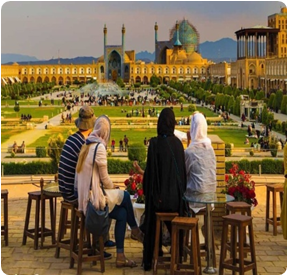
Naqsh-e Jahan Square in Isfahan is one of the world’s largest urban squares and a remarkable representation of Iranian and Islamic architecture. Constructed in the early 17th century AD, it spans over 9 hectares and is bordered by four grand and exceptionally beautiful structures. All four, including Ali Qapu Palace, Sheikh Lotfollah Mosque, Qeysarieh, and Imam Mosque, were percisely designed, harmonized, and integrated.

Historical sources and travelogues of explorers suggest that this square was once a venue for polo matches and royal games. Strolling and shopping in the surrounding handicraft shops complete the pieces of your puzzle-like journey to Iran.

4. Takht-e Sulaiman

The ancient site of Takht-e Soleyman, located in northwestern Iran, encompasses structures from both pre and post-Islamic eras. Its enigmatic lake and the surrounding landscape create an extraordinary spectacle. This site hosts a temple attributed to Anahita (the guardian of all waters in ancient Iran) and one of the three principal fire temples of the Sassanians.

Another notable aspect of this site is its connection to one of the world’s earliest monotheistic religions (Zoroastrianism), as well as ties to pre-Zoroastrian beliefs, myths, and legends.

5. Bam and its Cultural Landscape

Arg-e Bam, an architectural marvel, is an exceptional portrayal of the emergence of a commercial city within a desert environment, aided by qanats and the interaction between humans and nature. During its zenith, this citadel functioned based on a well-organized social structure with precise duties and responsibilities.

Comprising administrative quarters, towers, citadels, and resilient mud-brick residences, Arg-e Bam sustained dynamic and efficient life for centuries, serving as a hub for East-West trade.

Though a devastating earthquake in 2003 inflicted significant damage on this citadel, what remains is still considered a precious global heritage.

6. Pasargadae

Pasargadae, the capital of the Achaemenid Empire in the 6th century BCE, stands as a prime example of Iran’s diverse architecture and a wellspring of global archaeological inspiration. The tomb of Cyrus, the dynasty’s founder, showcases an elegantly simple yet profoundly grand design that leaves an enchanting impact. Amid the 160-hectare expanse of Pasargadae, you will discover remnants like Mozaffari Caravanserai, Stone Tower, Bolaghi Gorge, Tal-e Takht, and a collection of royal palaces. The meticulously preserved traces of water channels on the site’s map offer glimpses into Iran’s earliest garden concepts.

7. Soltaniyeh

This octagonal building, graced with eight minarets and a double-shell dome, was erected by Sultan Mohammad Khodabandeh (the eighth ruler of the Ilkhanate dynasty) in the vast plains near Zanjan. Now located a few kilometers from the city, it presents a striking view with its blue-colored dome from a distance.

The structure boasts a regal scale, harmonious proportions, and rich colors. Entering it, you wouldn’t anticipate such magnificence. Well-positioned openings guide abundant light inside, and despite its size, the dome exudes grace, authority, and beauty.

Sultanieh’s dome ranks among one of the world’s largest brick domes, a veritable masterpiece. The interior patterns, designs, inscriptions, and muqarnas are exceptional in both design and color. Additionally, the dome’s interior is adorned with various inscriptions meticulously depicted in gypsum paint. Sultanieh’s dome stands out as one of the most significant surviving structures from the Ilkhanate period (1256 to 1356 AD) in Iran.

8. Bisotun

Bisotun in Kermanshah unveils captivating tales of history and the might of Iran’s dynastic periods, concealing ancient mysteries within. The remarkable and exquisite bas-relief carved on the Bisotun rock in 521 BCE, commissioned by Darius the Great, is a masterpiece in three languages—Ancient Persian, Elamite, and Babylonian. It stands as an extraordinary reflection of the artistic and literary advancements during the Achaemenid era.

This unique inscription is the sole surviving text from the Achaemenid era, chronicling specific historical events linked to Darius the Great’s restoration of kingship. Deciphered in the 19th century, this inscription represents the first decoded cuneiform script. The Bisotun historical site, spanning 187 hectares, contains traces from prehistoric times to the Median period (8th to 7th centuries BCE), the Achaemenid period (6th to 4th centuries BCE), and the post-Achaemenid eras.

9. Armenian Monastic Ensembles of Iran

Azerbaijan is home to Iran’s oldest churches. Among them, the Armenian monastic ensembles of Qareh Kalisa, St. Stepanos, and Zorzor stand as the primary vestiges of ancient Armenian culture in the region. These three historic structures bear witness to the interplay of Armenian architectural culture with Roman, Iranian, Eastern Orthodox, and Assyrian influences.

Russian orientalist Vladimir Minorsky noted that Armenians from all over the country, regardless of age, gather at Thaddeus Monastery each year to partake in religious ceremonies during specific days in the summer. This tradition is still upheld annually by Armenians.

10. Historic Hydraulic System of Shushtar

The Karun River, near the ancient city of Shushtar, bifurcates, effectively turning the city into an island—a resource adroitly harnessed by its inhabitants for centuries. To truly appreciate Iran’s unparalleled water engineering prowess, a visit to Shushtar’s hydraulic structures is highly recommended.

This industrial complex, conceivably dating back to the Sassanian era or earlier, comprises components such as water channels, dam bridges, guiding tunnels, and mills. Each was meticulously planned and executed to ensure an optimal water supply for both the city and its agricultural lands.

French explorer Jane Dieulafoy (1851-1916) recounted in his travel logs that Shapur I (the 10th ruler of the Sasanian Empire, 309 to 379 AD) masterminded the management of the Karun River’s flow with the assistance of Roman engineers. He elevated water levels and directed channels to irrigate previously barren lands. This intricate complex is celebrated as one of the world’s largest pre-industrial complexes.
11.Tabriz Historic Bazaar Complex

A visit to the Tabriz Historic Bazaar Complex is like embarking on a journey through a city within a city. This bustling bazaar encompasses chambers, caravanserais, teahouses, mosques, schools, and bathhouses, creating a harmonious urban ensemble where architectural structures and spaces seamlessly blend together. Tabriz has been a longstanding hub for cultural exchange, and its historic bazaar played a pivotal role as a commercial center along the Silk Road. Its strategic location facilitated diverse social, economic, and cultural activities over centuries. Even today, the Tabriz bazaar stands as a living testament, offering an extensive collection of cultural, social, and commercial aspects that resonate with traders and visitors alike.

12. Sheikh Safi al-din Khānegāh and Shrine Ensemble in Ardabil

The Sheikh Safi al-Din Ardabili Mausoleum Complex (1252-1334 A.D) offers a sanctuary of spiritual tranquility. Once resembling a miniature city with bustling markets, public baths, lively squares, religious edifices, homes, and administrative buildings, it embodied the essence of a Sufi monastery and shrine. This remarkable Sufi center provides insights into architecture and art spanning the 14th to 18th century.

The mausoleum’s significance lies in its architectural fusion of Ilkhanid and Timurid influences, enriched by Sufi philosophy. Unique spatial arrangements and intricate decorative motifs set it apart, serving as a prototype for subsequent monasteries and shrines. The mausoleum’s interiors and facades emanate a serene ambiance, now enshrining Sheikh Safi al-Din Ardabili. His descendants later went on to establish the Safavid dynasty in Iran.

13. The Persian Garden

The Persian garden is a unique fusion of landscaping and palace architecture, reflecting the Iranians’ worldview. American Iranologist Arthur Upham Pope noted, “The Iranians’ love for trees, water, and flowers has transformed into an eternal passion, embodied in the Persian garden.” He further stated, “A garden resides in every Iranian’s mind.”

These Persian gardens, often nestled in arid and desert regions, have evolved with a consistent pattern across various historical eras, shaping their distinct identity. Defining features include a quadrilateral shape, enclosed by walls, division into four main sections, symmetry, use of straight and geometrical lines, a central main building, controlled water flow, presence of pools, innovative irrigation systems, and arrangement of plant species based on garden principles.

14, Masjed-e Jāmé of Isfahan

The Masjed-e Jāmé of Isfahan showcases a captivating evolution in mosque architecture spanning centuries. In this mosque, one can observe the details of a millennium of transformation in Islamic art through the architectural elements of eight historical periods. The mosque’s designers ingeniously melded the courtyard layout of Sassanian palaces with Islamic religious architecture, resulting in a pioneering design.

The most captivating segment of the mosque is the Oljeitu Mihrab, commemorating Sultan Mohammad Khodabandeh’s conversion to Shia Islam. Its double-shelled domes inspired certain Central Asian mosques’ construction and became a model for dome design in subsequent Islamic architecture globally.

15. Gonbad-e Qābus

Near the ancient city of Gorgan and close to the capital of Al-Ziyar (1006 AD), stands the 53-meter Gonbad-e Qābus . Recognized as one of its time’s tallest brick domes, this cylindrical, hollow tower is composed of unglazed baked bricks. Its intricate geometric pattern culminates in a ten-pointed star at the cone-shaped roof.

Gonbad-e Qābus is an outstanding example of Islamic architecture, influencing the construction of lofty sacred structures in Iran, Anatolia, and Central Asia. It significantly contributed to early Islamic brick architecture, setting a precedent for the region.

16. Golestan Palace

The magnificent Golestan Palace, sprawling across 5.4 hectares in the heart of bustling Tehran, stands as a unique testament to Qajar architectural and decorative art. This enclosed palace complex, among Tehran’s oldest towering structures of its time, served as the seat of the Qajar dynasty’s government. Rising to power in 1779 AD, the dynasty declared Tehran as its capital for the first time.

Within the Golestan Palace, one can witness the earliest examples of combined European and Iranian artistic styles, which gained particular popularity in the late 19th and 20th centuries, inspiring artists in their creations. This palace complex, employing iron casting techniques in certain constructions, is a significant example of adopting European construction technologies. It remained a wellspring of inspiration for contemporary Iranian artists and architects even into the Pahlavi era. Noteworthy buildings within this complex encompass Shams al-Emareh, the Mirror Hall, the Windcatcher Mansion, and the Marble Throne.

17. Shahr-i Sokhta

The first complex societies in eastern Iran settled in Shahr-i Sokhta within the Sistan and Baluchestan Province, making this site of immense value to archaeologists. Occupied as a major residential area approximately from 3200 to 1800 BC across four main habitation phases, the city witnessed the formation of distinct regions within its boundaries.

Archaeologists have uncovered objects like pottery vessels and cylindrical seals, indicating commercial and economic transactions. These findings imply that inhabitants engaged in cultural interactions and trade relations with ancient cultures from the Sindh region, the southern coasts of the Persian Gulf, the Sea of Oman, and southwestern Iran.

In addition to these artifacts, intriguing items such as a painted pottery vessel, an artificial eye found in a female’s burial, and a board game reminiscent of backgammon provide astonishing insights into the excavations at Shahr-i Sokhta.

18. Susa

A journey to Susa, nestled in southwestern Iran amidst the Zagros mountain range, is akin to entering an archaeologist’s paradise. Here lies one of the few ancient sites in the Middle East where two major societal and cultural shifts – the emergence of the initial state and urbanization – took place. The remnants of ancient Susa thus serve as extraordinary evidence of successive civilizations spanning over six millennia, along with being the capital of the Elamite (3rd millennium BC) and Achaemenid (1st millennium BC) empires.

Prominent sections of Susa’s archaeological sites encompass the Shapur Palace, Apadana Palace, Eastern Gate, Hadiš Palace, City XV, the Hellenistic village, the acropolis mounds, and the French castle.

19- Maymand Cultural Landscape

Meymand Cultural Landscape

Meymand presents a unique showcase of an exceptional way of life adapted to its arid environment. Nestled in the semi-arid region at the end of a valley in Iran’s central mountains, Meymand’s lifestyle is a blend of pastoral-agrarian existence. Here, villagers graze their livestock in the mountain meadows and inhabit temporary dwellings in the rocky recesses during spring and autumn. These rock recesses, essentially cave dwellings, serve as homes and seasonal shelters. Their traditional lifestyle offers a testament to resilience passed down through generations.

20 – The Persian Qanat

The Persian Qanat epitomize a remarkable ancient technology and stand as a prominent example of Iranians’ adaptation to arid and semi-arid regions. Water is meticulously guided through qanats, employing complex calculations and gravity alone, to reach water-scarce target areas. These underground water transfer systems, also known as hidden rivers, have endured for centuries and even millennia, channeling water from the earth’s depths to nurture greenery and vitality in the midst of parched landscapes. They have contributed to the formation of various cities over time.

21- Historic City of Yazd

Yazd is a marvel in every dimension – architecturally and culturally. A journey to this historic city, nestled in the heart of Iran’s plateau, unveils a living testament to the coexistence of humans and nature. This city’s history, spanning from ancient times to the present, is a vivid testament to survival in the desert using limited water resources.

Yazd’s windcatcher architecture captures and directs the breeze, bringing cool air into homes by creating small whirlwinds over water sources. The city has preserved its houses, neighborhoods, bathhouses, mosques, and old traditional bazaars, built over centuries with local materials.

Furthermore, Yazd boasts the world’s tallest windcatcher and stands as one of the few places where the Zoroastrian way of life persists.

22- Sasanian Archaeological Landscape of the Fars Region

The Sasanian civilization (651-224 AD) is encapsulated within eight archaeological zones across three geographical regions in southeastern Fars Province. This collection includes eight distinctive architectural works, two cities, eight prominent reliefs, a fortress, and two palaces.

The architectural foundation of these zones is the “chahartaqi” style, characterized by connecting four quadrilateral units with arched openings. This architectural style (domed construction) later became influential in Islamic architecture. However, it’s noteworthy that the Sasanian archaeological landscape in the Fars region has absorbed influences from Achaemenid and Parthian cultural traditions that preceded it.

23- Lut Desert

Encompassing four provinces – South Khorasan, Kerman, Yazd, and Sistan and Baluchestan – the vast and mesmerizing Lut Desert ranks among the world’s largest deserts. With a recorded peak temperature of around 70.7 degrees Celsius, it holds some of the hottest spots on Earth.

The Lut Desert is renowned for its prominent natural features, bearing global significance. These include the world’s tallest and longest sand dunes (Yardangs), the tallest sand pyramids (Gandom Beryan), the tallest sand hills, the hottest places on the planet, and being one of the locations with the highest meteorite impact rates.

24- Hyrcanian Forests

In the provinces of Gilan, Mazandaran, and Golestan, you’ll encounter the last remnants of the Hyrcanian forests. Spanning 850 kilometers, this unique plant cover predominantly survives in steep and inaccessible terrain across Iran’s geography.

These forests once spanned even wider areas but receded during ice ages, later expanding in milder climates. Consequently, the seclusion of the Hyrcanian forests significantly contributed to the survival of many endangered plant and animal species, making them an invaluable hotspot of biodiversity.

25- Cultural Landscape of Horaman/Oramanat

Exploring the mountainous regions of Horaman/Oramanat introduces you to the traditional and pristine culture of the Horami people. This area is nestled amidst the Zagros mountain range in the provinces of Kurdistan and Kermanshah, along Iran’s western border. It encompasses two sections: the Central-Eastern Valley (Zhawroud and Takhst in Kurdistan Province) and the Western Valley (Lahun in Kermanshah Province).

The mountainous landscape of Horaman, rich in biodiversity, showcases a unique way of life. The architecture, in harmony with the mountains, relies on stone construction with dry masonry on steep slopes, featuring stepped structures. This reflects the innovative adaptation of the Iranian Kurdish people to the challenging mountainous environment.

26- Iran Railway

The Iran national railway is a valuable industrial heritage, connecting the northeast to the southwest of the country, effectively linking the Caspian Sea to the Persian Gulf. This railway line traverses rivers, high mountains, forests, and Iranian plains.

A train journey in Iran reveals the beauty of the country’s diverse climatic regions. The 1394-kilometer railway is an engineering marvel, conquering steep gradients, cutting through extensive mountains, constructing both large and small bridges, and winding through spiral tunnels, all with remarkable effect.

Azerbaijan

TOURISM IN AZERBAIJAN

UNESCO World Heritage Sites in Azerbaijan

Walled City of Baku with the Shirvanshah’s Palace and Maiden Tower

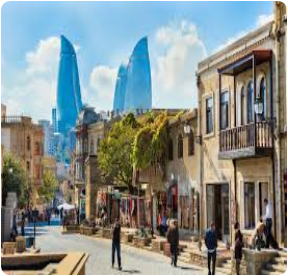
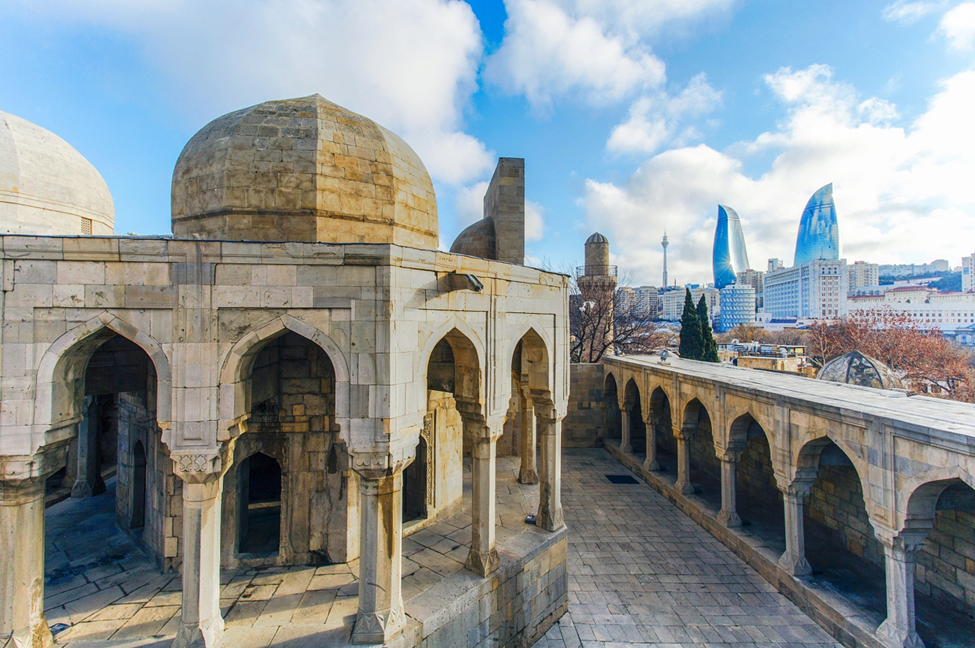
The Walled City of Baku, located on the coast of the Caspian Sea in Azerbaijan, is a historic urban ensemble encompassing the ancient heart of Baku, the capital city. This remarkable site, inscribed on UNESCO’s World Heritage List at the 24th session of the World Heritage Committee held in 2000, in Cairns, Australia, comprises the iconic Shirvanshah’s Palace and the enigmatic Maiden Tower.

The Shirvanshah’s Palace, dating back to the 15th century, stands as a testament to Azerbaijan’s rich architectural heritage. Its intricate design reflects the cultural influences prevalent in the region during that era. Standing tall within the walled city is the enigmatic Maiden Tower, a cylindrical structure shrouded in mystery and legend. Dated back to the 7th – 6th centuries BC, the tower’s purpose remains debated, with theories ranging from astronomical observatory to defensive fortification. Its unique architecture and imposing presence have made it an enduring symbol of Baku and a focal point for both locals and visitors.

The Walled City of Baku stands as a unique and exceptional demonstration of historical urban planning and architectural styles. Both the city itself and its surrounding buffer zone are inventoried and protected as National Monuments. In 2007, the Administration of the State Historical-Architectural Reserve “Icherisheher”, was officially entrusted with complete management authority over the site.

Together, the Walled City of Baku, Shirvanshah’s Palace, and Maiden Tower offer a captivating glimpse into Azerbaijan’s rich cultural and architectural heritage. Their inscription on UNESCO’s World Heritage List underscores their significance not only to the history of Azerbaijan but also to the broader narrative of human civilization.

Gobustan Rock Art Cultural Landscape

The Gobustan Rock Art Cultural Landscape, situated in Azerbaijan, is a captivating testament to the ancient human presence in the region and was inscribed on UNESCO’s World Heritage List at the 31st Session of the World Heritage Committee held in 2007 in Christchurch, New Zealand.

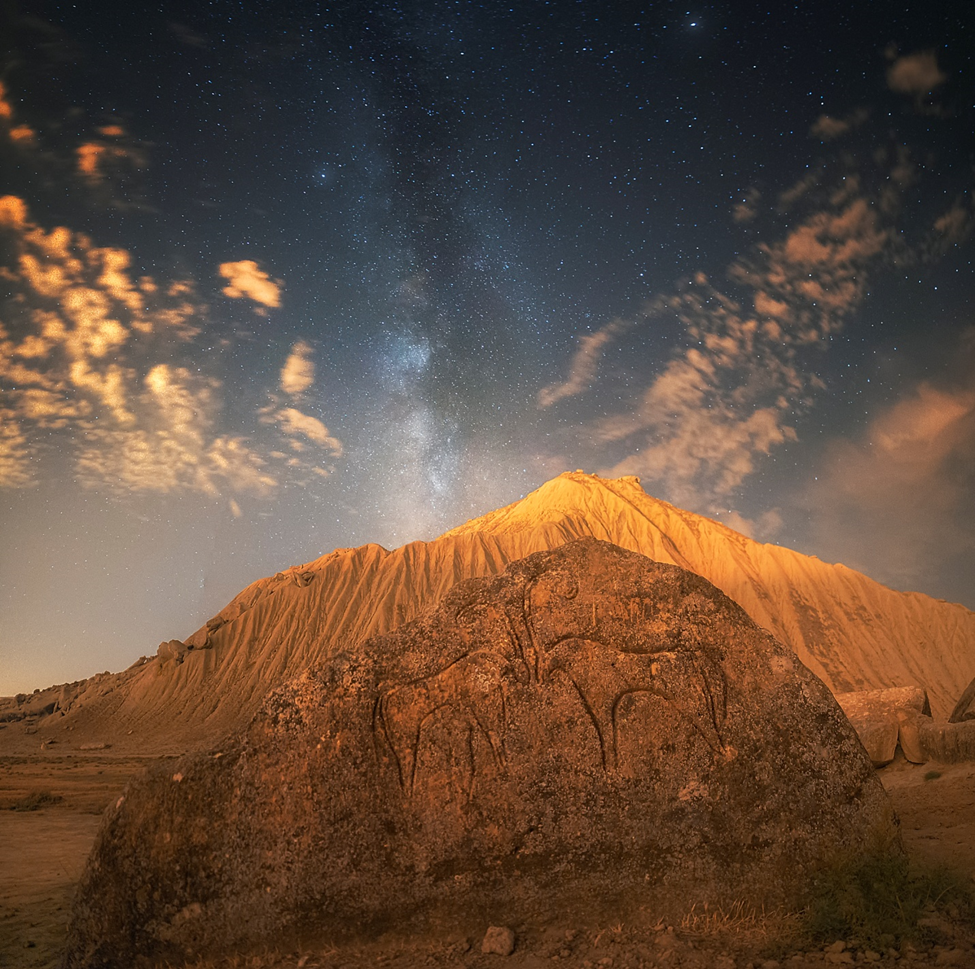
This expansive site covers an area of 537 ha, is part of the larger protected Gobustan Reservation. It covers three areas of a plateau of rocky boulders rising out of the semi-desert of central Azerbaijan, with an outstanding collection of more than 6,000 rock engravings, mud volcanoes and musical stones bearing testimony to 40,000 years of rock art.

The rock art of Gobustan offers a fascinating glimpse into the lives, beliefs, and artistic expressions of prehistoric communities that once inhabited the area. These petroglyphs depict a diverse range of subjects, including hunting scenes, rituals, dances, animals, and celestial symbols, providing invaluable insights into the cultural practices and social dynamics of ancient societies in the region.

The Gobustan Rock Art Cultural Landscape stands as a remarkable testament to the enduring relationship between humans and their environment throughout millennia. Its inscription on UNESCO’s World Heritage List recognizes its significance not only as an archaeological site but also as a repository of humanity’s collective heritage, offering invaluable insights into the origins and evolution of human culture in the region.

The Petroglyph Museum functions in the Gobustan reserve since 2011. It showcases exhibitions on World Heritage sites, the discovery of petroglyphs, ancient inhabitants, and the region’s flora and fauna. The museum houses over 100,000 artifacts found during archaeological excavations, including tools, weapons, jewelry, and animal bones. In 2013, it won the European Museum of the Year Award.

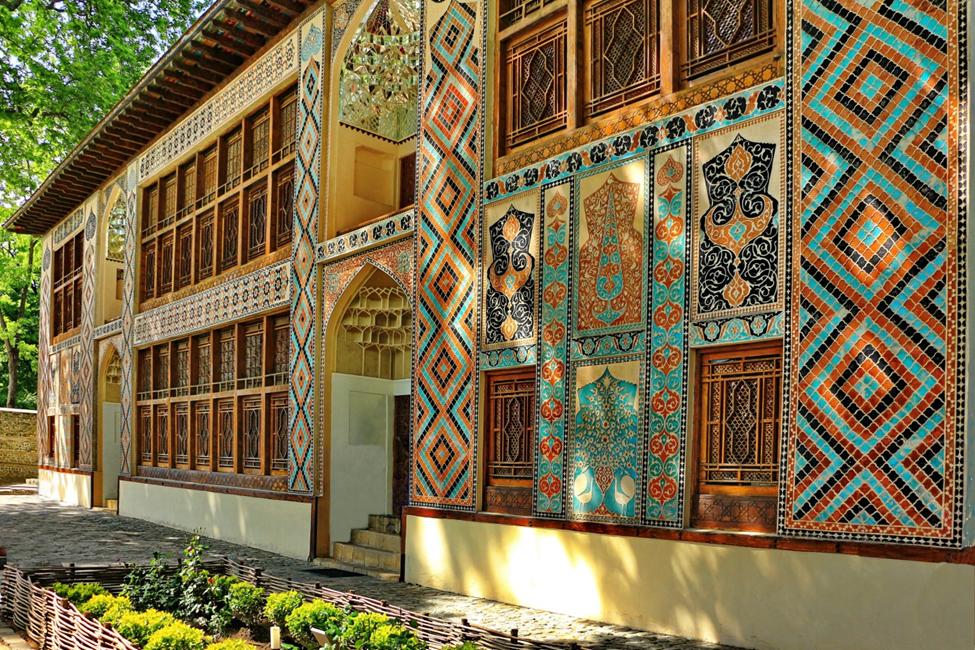
Historic Centre of Shaki with the Khan’s Palace

The ancient town of Shaki, situated in the northern region of Azerbaijan, traces its roots back to the 6th century BCE as a part of Caucasian Albania. The site was inscribed on UNESCO’s World Heritage List at the 43rd session of the UNESCO World Heritage Committee held in 2019 in Baku, Azerbaijan.

The Historic Centre of Shaki, a pivotal cultural and commercial hub, reflects millennia of cultural exchange, influenced by Safavid, Ottoman, Qajar, and Russian eras. Its architecture showcases a fusion of oriental and Russian styles, including characteristic elements like balconies and arches. Shaki’s cultural significance extends regionally, influencing the wider Caucasus area. Additionally, it stands as a testament to the feudal system of Caucasian khanates, evident in its palaces, merchant houses, and fortifications. The Historic Center is an exceptional example of a planned ‘garden city’, designed with a hydraulic water system, mills, irrigation, and structures for sericulture. Its houses are aligned with cultivated fields within a forested landscape, integrating human settlement with nature harmoniously.

The Historic Centre of Shaki, including the Khan’s Palace, covering 120.5 hectares, has been safeguarded since 1967 within the “Yukhari Bash” State Historical and Architectural Reserve, which spans 283 hectares, under legislation for protecting historical and cultural sites. It receives strict protection within the city’s overall urban master plan as a designated conservation zone. Presently, management responsibilities lie with the State Tourism Agency and its recently established Reserves Management Centre.

The inclusion of the Khan’s Palace on UNESCO’s World Heritage List underscores its outstanding universal value as a cultural and architectural treasure. As a testament to the ingenuity and creativity of Azerbaijani artisans, it serves as a living testament to the enduring legacy of the Shaki Khanate and a source of pride for the Azerbaijani people.

Hyrcanian Forests

The Hyrcanian Forests of Azerbaijan, designated as a UNESCO World Heritage Site, are a breathtaking expanse of ancient woodlands nestled within the Caspian Hyrcanian Mixed Forests ecoregion. The site was inscribed on UNESCO’s World Heritage List as a natural heritage at the 45th session of the UNESCO World Heritage Committee held in 2023 in Riyadh, Saudi Arabia. Encompassing a diverse range of habitats, from lush temperate forests to coastal wetlands, this UNESCO site is renowned for its exceptional biodiversity, unique flora, and pristine natural landscapes. The property consists of several component parts and represents examples of the various stages and features of Hyrcanian forest ecosystems.

The Hyrcanian region’s natural forest ecosystems, represented by the property, showcase a rich history dating back 25 to 50 million years when these broad-leaved forests covered much of the Northern Temperate region. These ancient forests, which retreated during Quaternary glaciations and later expanded during milder climate periods, epitomize critical environmental processes such as succession, evolution, and speciation. With over 1200 species (approx. 31% of the species numbers of the vascular plants of Azerbaijan), including numerous relict, endangered, and endemic plants, the Hyrcanian region boasts remarkable floristic biodiversity. 121 species in the Red Book of Azerbaijan are considered rare or threatened. The area’s rich plant kingdom, diverse fauna, and unique habitat, support numerous relict and endemic species, with 46 vertebrate species facing extinction and listed in the Red Data Books of Azerbaijan and the IUCN.

The property is owned by the state and rigorously protected under Azerbaijan’s national legislation. Located within Hirkan National Park, overseen by the Ministry of Ecology and Natural Resources of the Republic of Azerbaijan, these segments adhere to strict protection measures. Management follows the Hirkan National Park Management Plan and involves collaboration with local stakeholders.

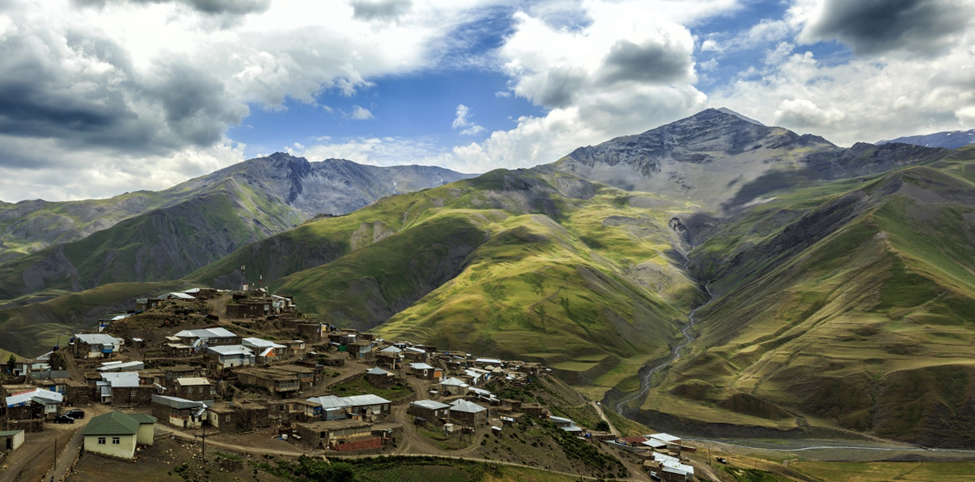
Cultural Landscape of Khinalig People and “Köç Yolu” Transhumance Route

The Cultural Landscape of Khinalig People and “Köç Yolu” Transhumance Route, inscribed on UNESCO’s World Heritage List at the 45th session of the World Heritage Committee held in 2023 in Riyadh, Saudi Arabia.

It encapsulates the rich cultural heritage and unique way of life of the Khinalig people, an ancient mountain community in Azerbaijan. This cultural landscape encompasses not only the remote village of Khinalig but also the traditional 200-kilometre-long seasonal transhumance route known as “Köç Yolu,” which has been vital to the livelihoods and cultural identity of the Khinalig people for centuries.

“Köç Yolu” route serves as a remarkable testament to the long-standing tradition of vertical transhumance among the Khinalig community in the Caucasus region. This landscape effectively preserves the ancestral semi-nomadic eco-social system of the Khinalig people, showcasing their communal transhumance practice. Furthermore, it exemplifies a sustainable land use model, reflecting the semi-nomadic Khinalig transhumance culture and lifestyle. Despite its vulnerability, animal husbandry remains the primary economy, supported by resilient socio-economic structures adapted to extreme environmental conditions.

The property receives the highest level of protection under Azerbaijan’s Constitution and laws, including those on Culture, Preservation of Historical and Cultural Monuments, and Veterinary Control. Presidential Decrees and ministerial decisions further safeguard its cultural and natural heritage. Traditional protection mechanisms also complement legal safeguards. Ownership of the property and its buffer zone is diverse, with state ownership of summer pastures, winter pastures, and the Köç Yolu transhumance route. Management involves various government agencies and the local community, with plans for a new management entity integrating communal management practices. The management plan focuses on transhumance, land use, and intangible heritage, with integration of the Council of Elders’ role into the new framework.

Official Tourism Portal of Azerbaijan: https://azerbaijan.travel/

Azerbaijan State Tourism Agency: www.tourism.gov.az

Shahrisabz 2024

Shahrisabz is one of the ancient and beautiful cities of Uzbekistan. Its historical centre is included in the UNESCO World Heritage List. The great commander Amir Temur was born in this city.

The city with its green trees and flowers rightfully got its name “Green City”.

Popular landmarks

What to see in Shahrisabz?

Arriving to Shahrisabz, you should definitely see the ruins of the ancient Ak-Saray Palace, the Kok-Gumbaz mosque, the Dor-ut Tilovat memorial complex, and the mausoleums of Dor-us Saodat, Shamsad-Din Kulala, Gumbazi-Seyidan.

Interesting fact: The main highway – the large Uzbek highway, repeating the route of the great Italian traveler Marco Polo, passes through Shahrisabz.

Climate

The climate in Shakhrisabz is almost the same as in Samarkand. It also has a pronounced seasonality. Winter is mild and not cold, but it is better to have a woolen sweater in your luggage, because it is cool at night. Summer is usually very hot. Sometimes the daytime temperature lasts until midnight.

Gifts and souvenirs

Walking in the centre of Shahrisabz, you can see many souvenir shops located in the old madrassas or just along the road. Masters are ready to offer a huge variety of crafts, such as clay figures of good-natured grandfathers with watermelons, carved caskets and many fabrics. The magnets depicting the city, which can be found everywhere, dominate most of this. In addition to the usual clay and ceramics products, there are works made of wood, paper, leather and even marble.

Сuisine

Having visited Shahrisabz, do not forget to taste the local cuisine! The tandoor-kebab takes the second place in the list of the most delicious dishes after pilaf. Historically, the best tandoor-kebab is cooked in the Kashkadarya region! This dish came to us from the ancient times, when most of the inhabitants of Central Asia were nomads. Because people were constantly on the road, the cooks had to invent the new, faster and more convenient ways of cooking. Then a special method was invented for the preparation of tandoor-kebab. First, a hole is dug in the ground with a depth of not more than 1 meter and the same diameter. Then the firewood is put there. While the wood burns to the coals, the cook cuts the lamb into large pieces and flavours them with salt and special spices. Further, the meat pieces are sticked on skewers and are lowered into the hot pit. A plate made of felt is placed on top of the pit and sprinkled with a thick layer of ground. The main feature of this cooking method is the juniper branches, which are placed in the hearth for aroma and added as spices. You will not confuse this delicious taste with anything! Having tasted it once, you will never forget it! Follow the link to read more about Uzbek cuisine.

Celebrations of the ECO Tourism Capital in 2024

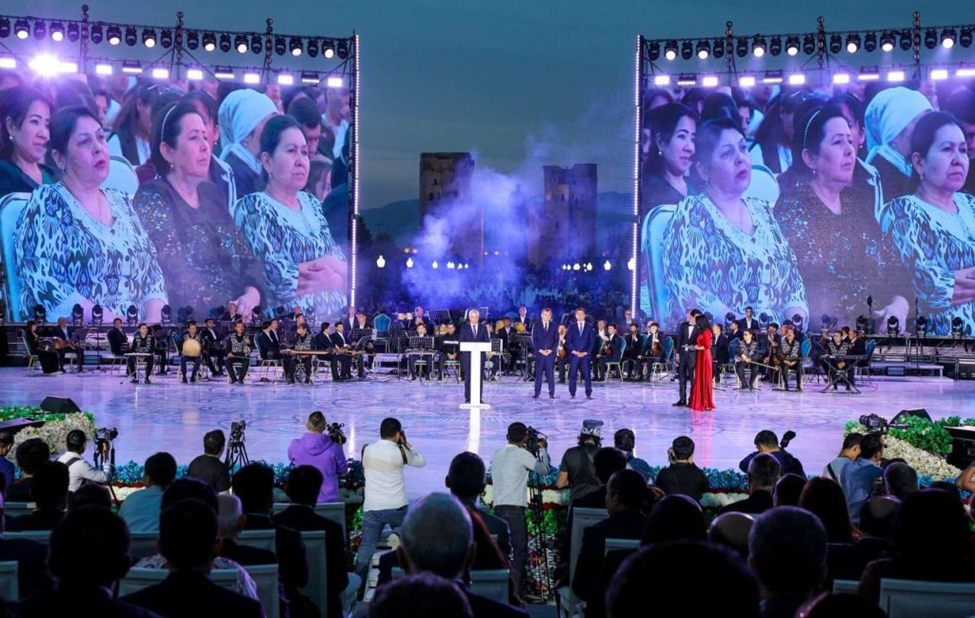
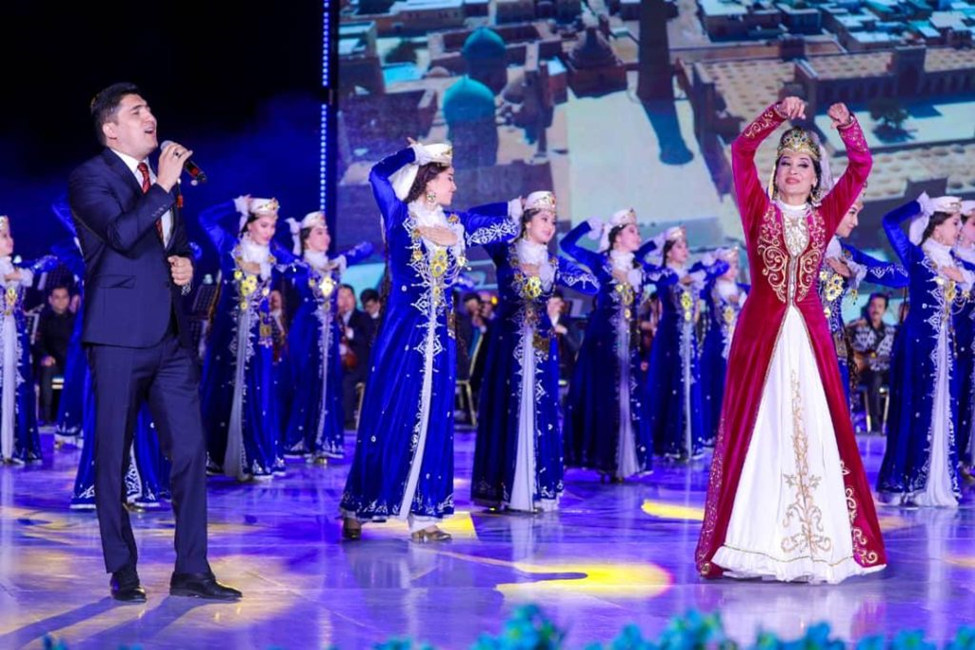
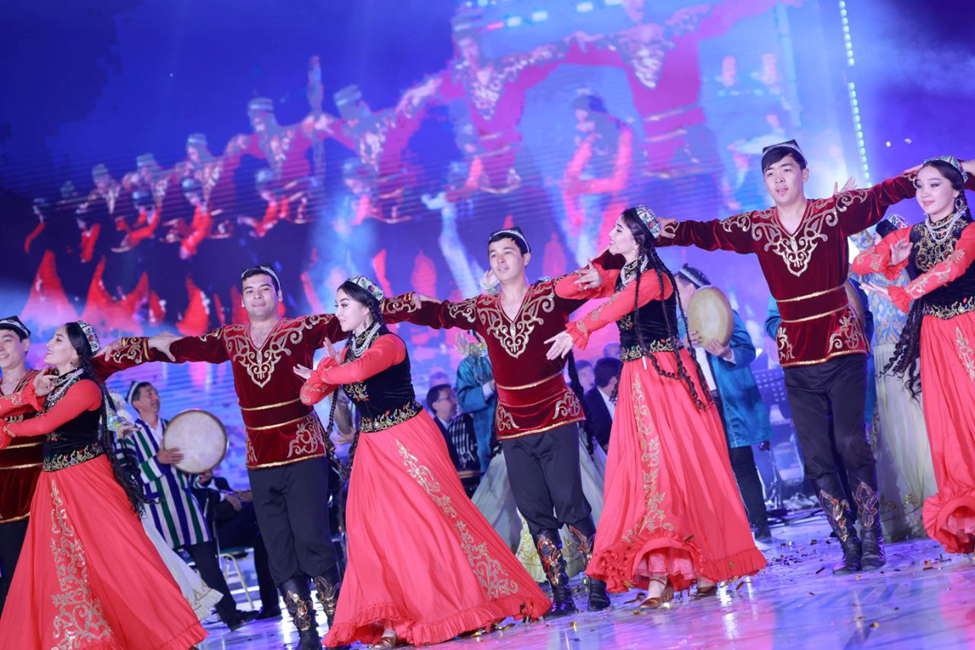
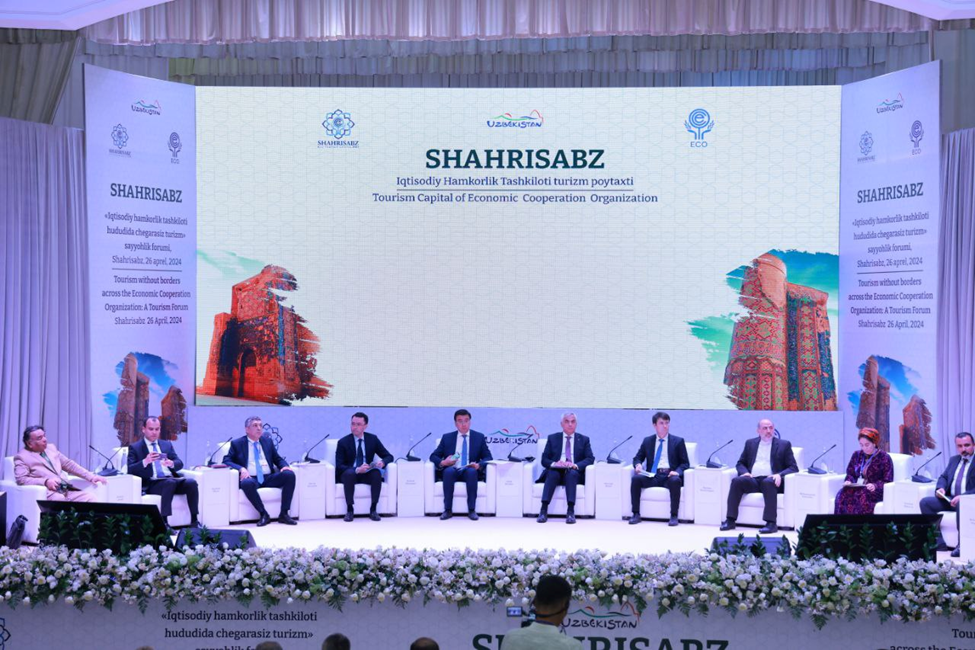
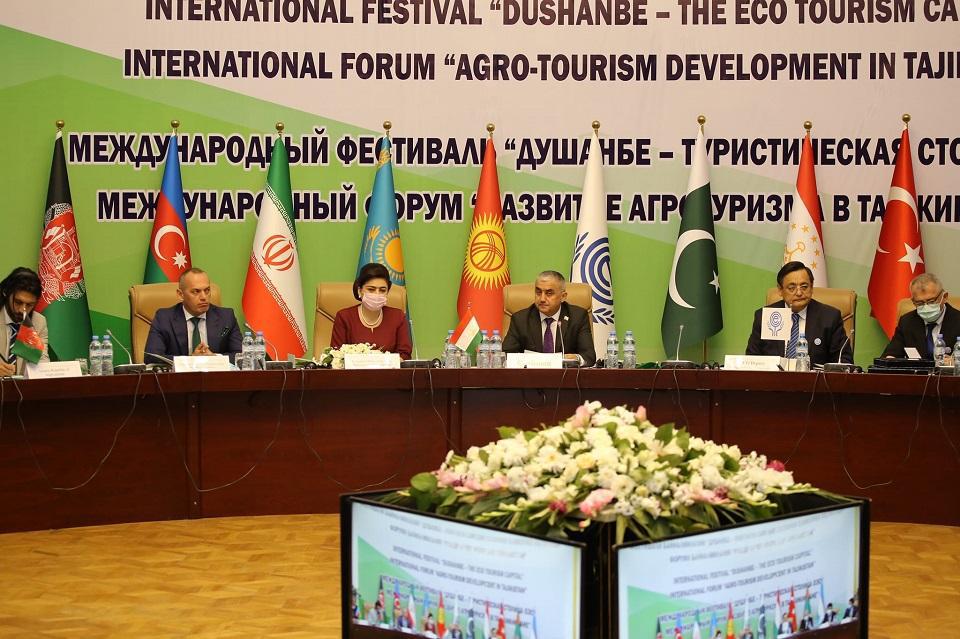
The city hosted to a grand international event “Shahrisabz, Economic Cooperation Organization Tourism Capital for 2024” from April 25th to 27th, welcoming delegates from across the ECO member states to celebrate its rich cultural heritage and burgeoning tourism industry. The event included a modest fashion show, folklore dance and concerts.

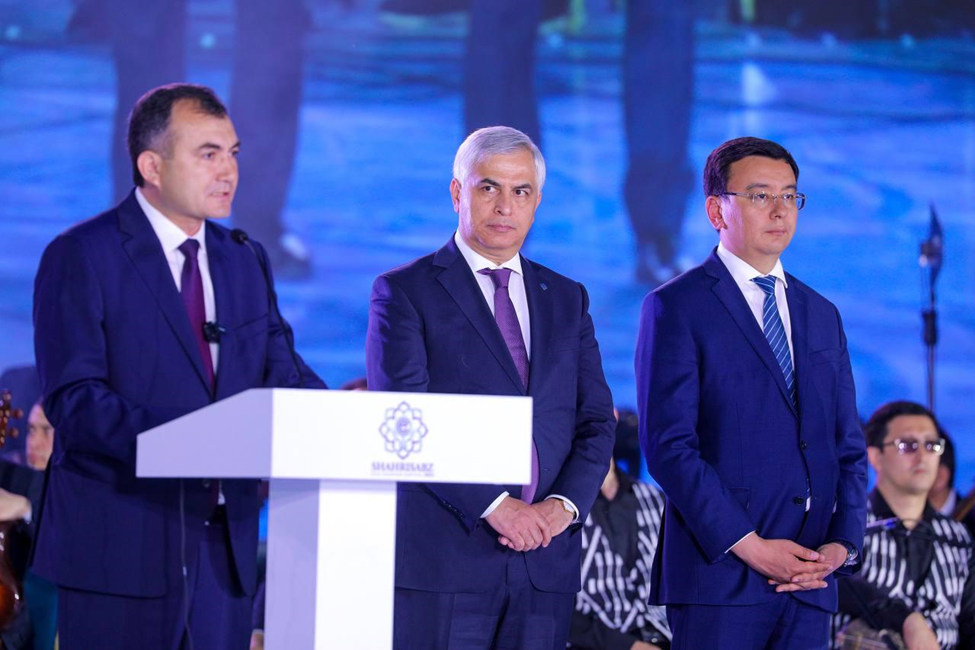
The official opening ceremony of the program showcased Uzbekistan’s cultural diversity and hospitality, on April 26. Welcoming the guests, H.E. Mr. Muradjon Azmov, the Governor of Kashkadarya region, expressed his gratefulness to the ECO Member countries for supporting the nomination of Shahrisabz city as the ECO Tourism Capital for 2024.

H.E. Mr. Umid Shadiev, Chairman of the Tourism Committee of Uzbekistan, stated that recognition of Shahrisabz city as the Tourism Capital of the ECO region is a great honour and pride for Uzbekistan. Historically, Shahrisabz was one of the main centers of the Great Silk Road, serving as a crossroads of trade relations, cultures, beliefs and ideas, he added.

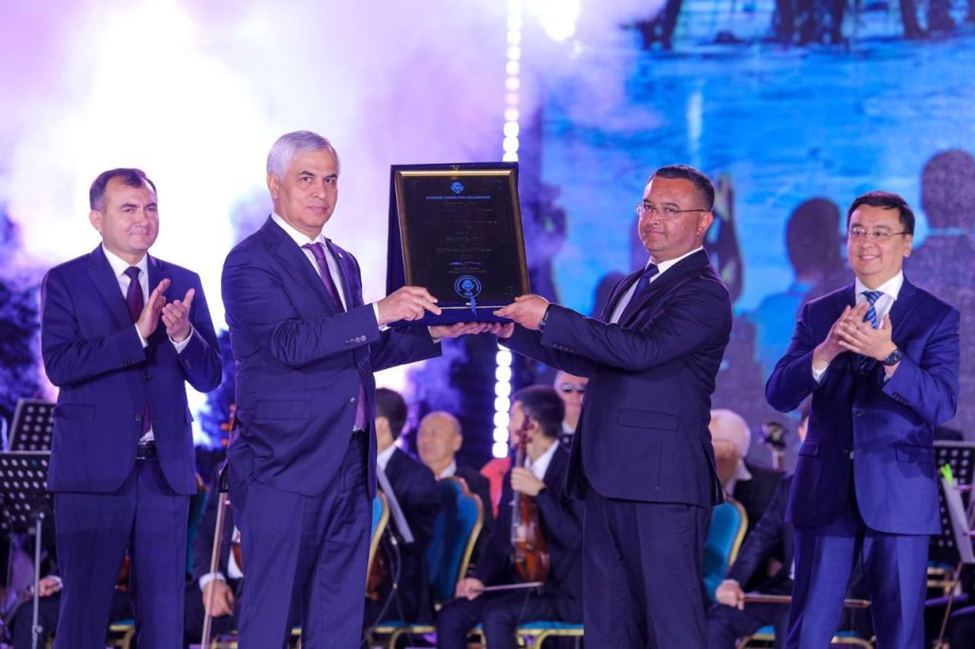
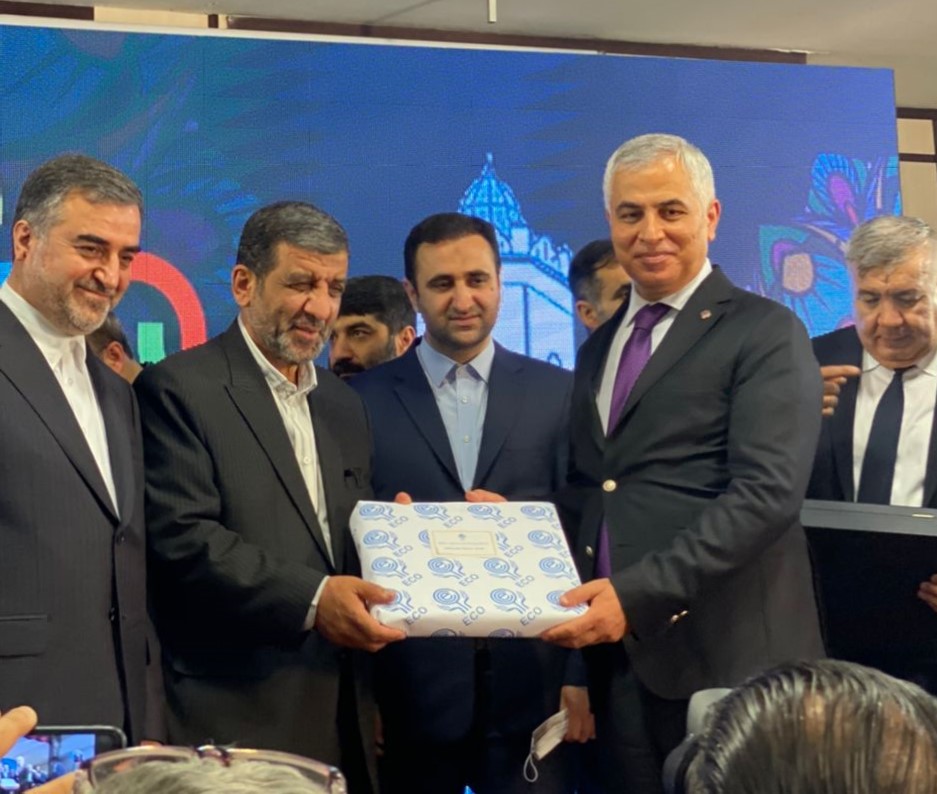
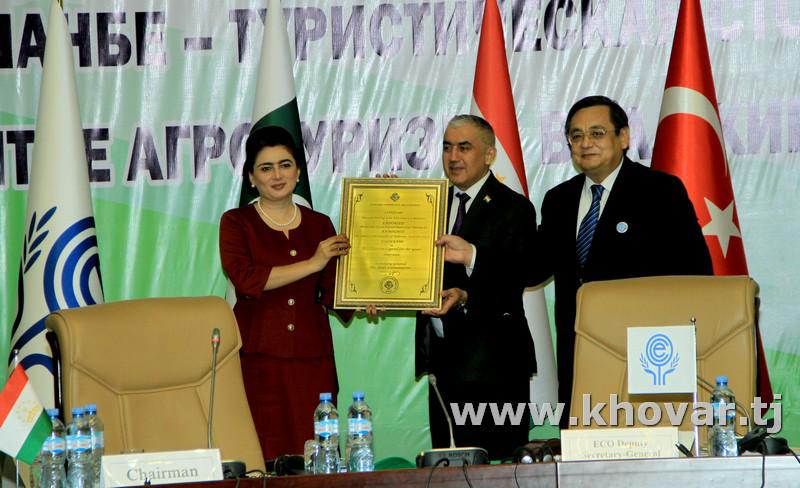
ECO Secretary General Ambassador Khusrav Noziri highlighted Shahrisabz’s tourism potential, while also underlining the rich history, cultural heritage, natural beauty and captivating allure of Uzbekistan. “The city shines as a beacon of excellence in our organization’s tourism landscape. From its legendary past to its stunning landscapes, Shahrisabz exemplifies the charm of Uzbekistan’s tourism,” he added. Ambassador Khusrav Noziri also presented a certificate to the Mayor of Shahrisabz Mr. Sherzod Boriyev officially declaring Shahrisabz City as the ECO Tourism Capital for 2024.

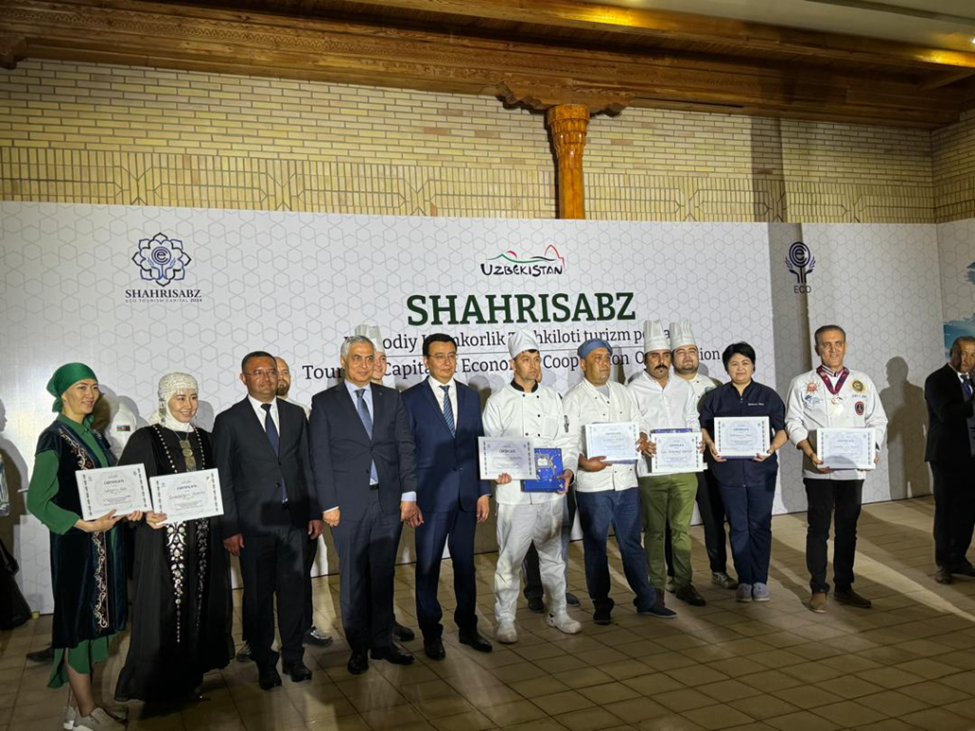
In the framework of the celebratory events of the official designation of Shahrisabz city of Uzbekistan as the ECO Tourism Capital 2024, the ECO Member States Cooking Competition took place on 25 April 2024.

Culinary chefs from different Member States prepared traditional dishes of their respective countries. The guests and delegates attending the festivities in Shahrisabz had a chance to taste the food at the stands of each ECO Member State.

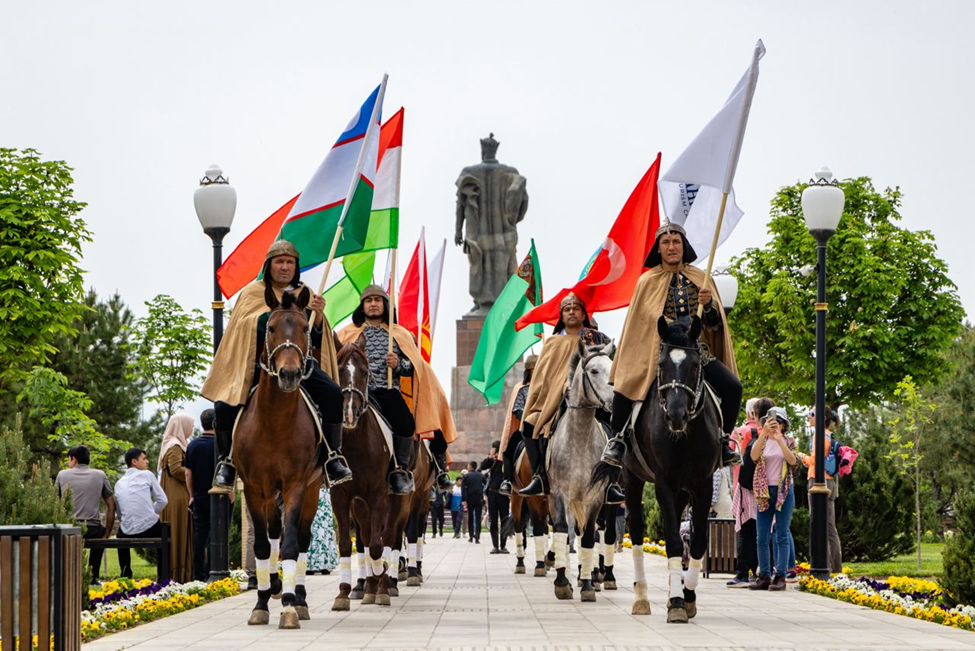
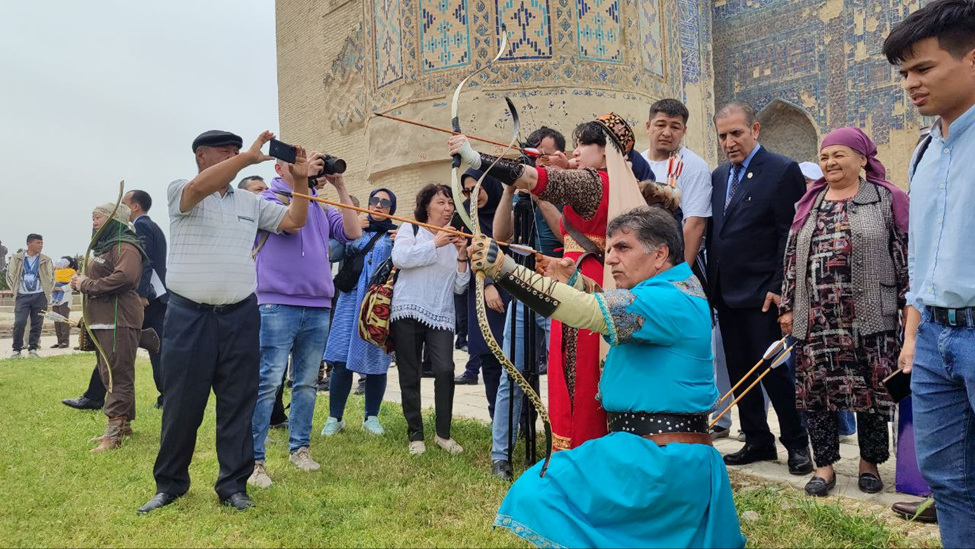
The inaugural ECO International Ethno Sport Games took place as part of the festivities commemorating Shahrisabz’s designation as the ECO Tourism Capital for 2024, on April 26, 2024.

A forum was also organized for sharing experience and practices on development of the tourism sector across the ECO region, on the sidelines of the Shahrisabz ECO Tourism Capital 2024 inauguration ceremony.024.

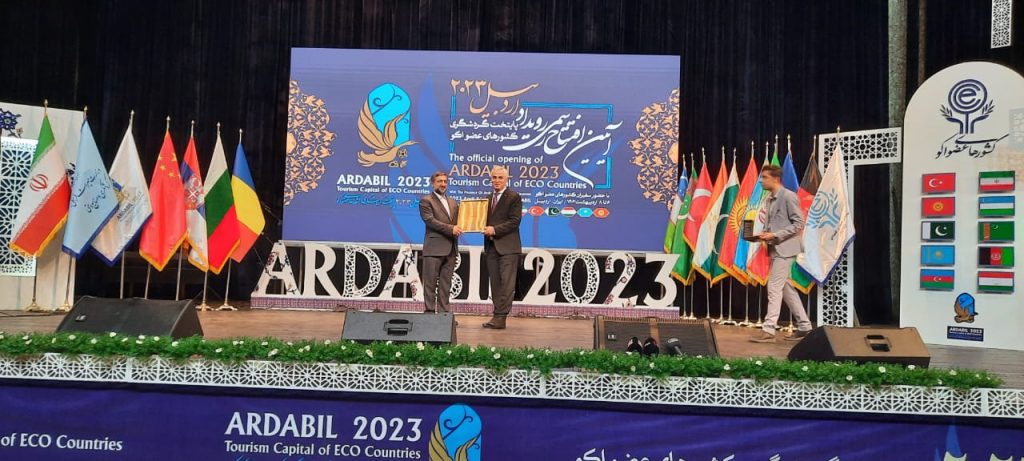
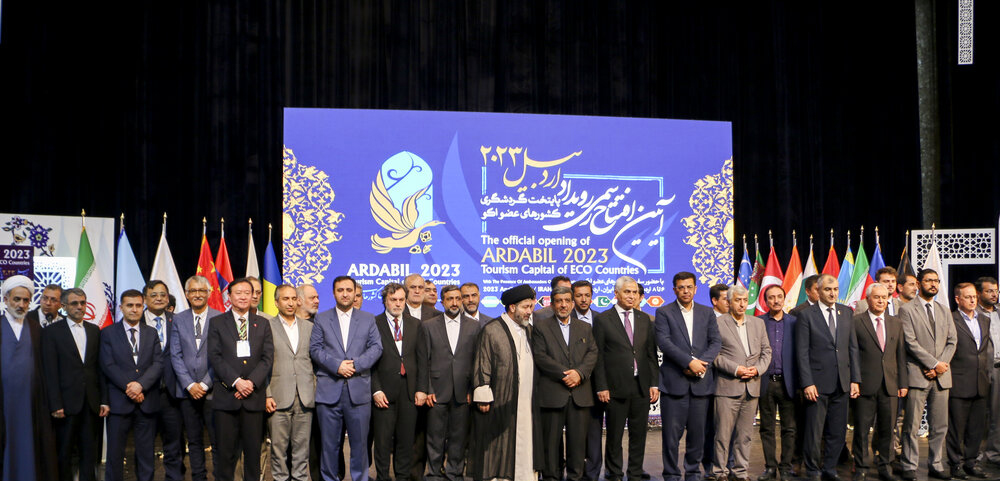
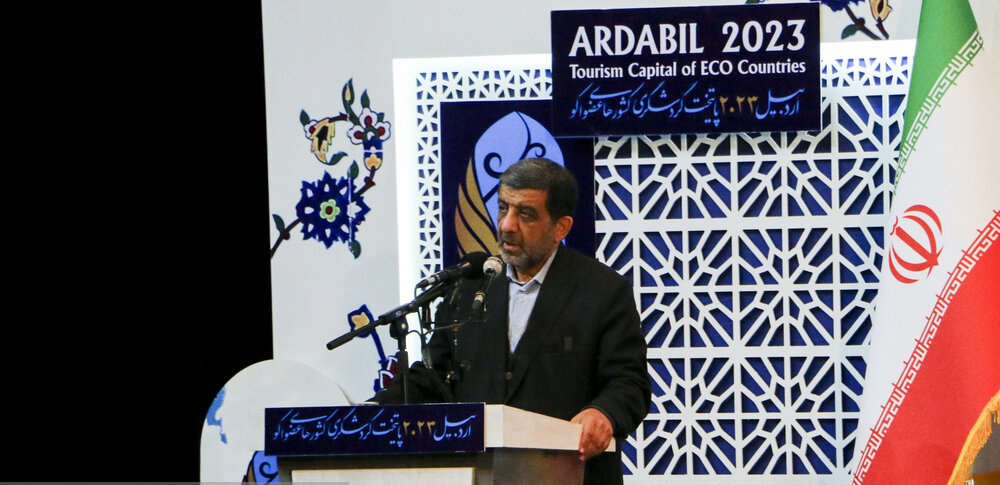
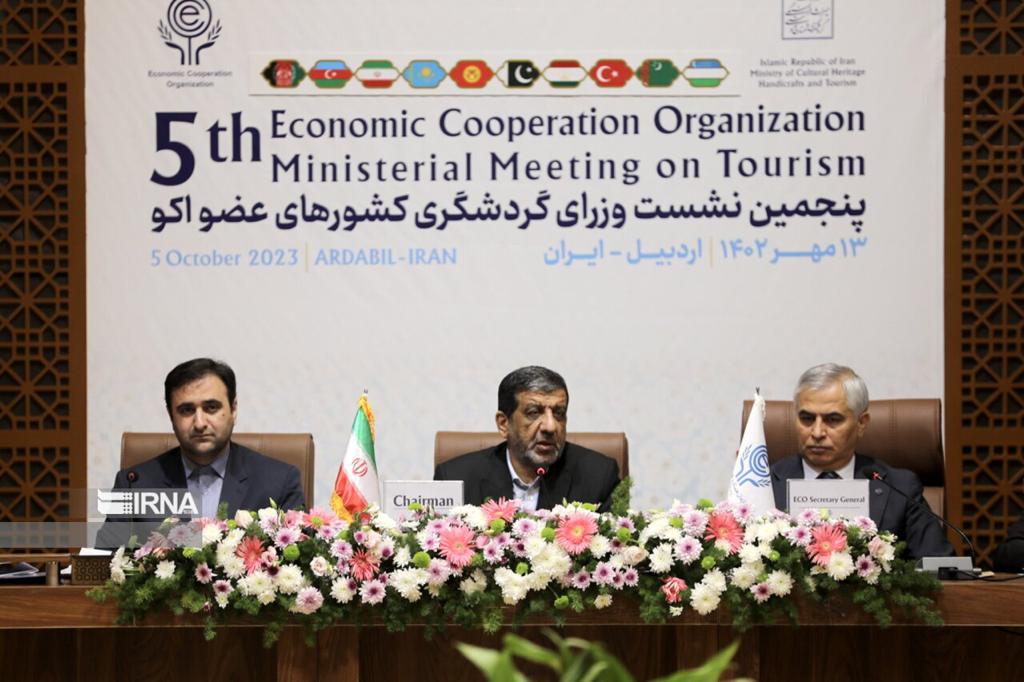
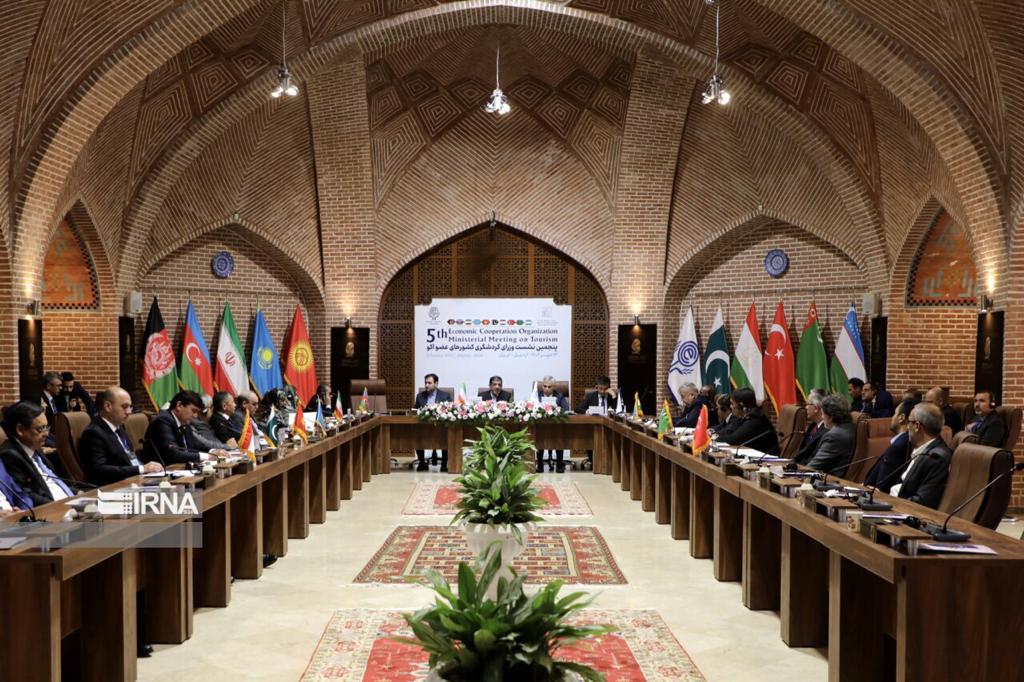
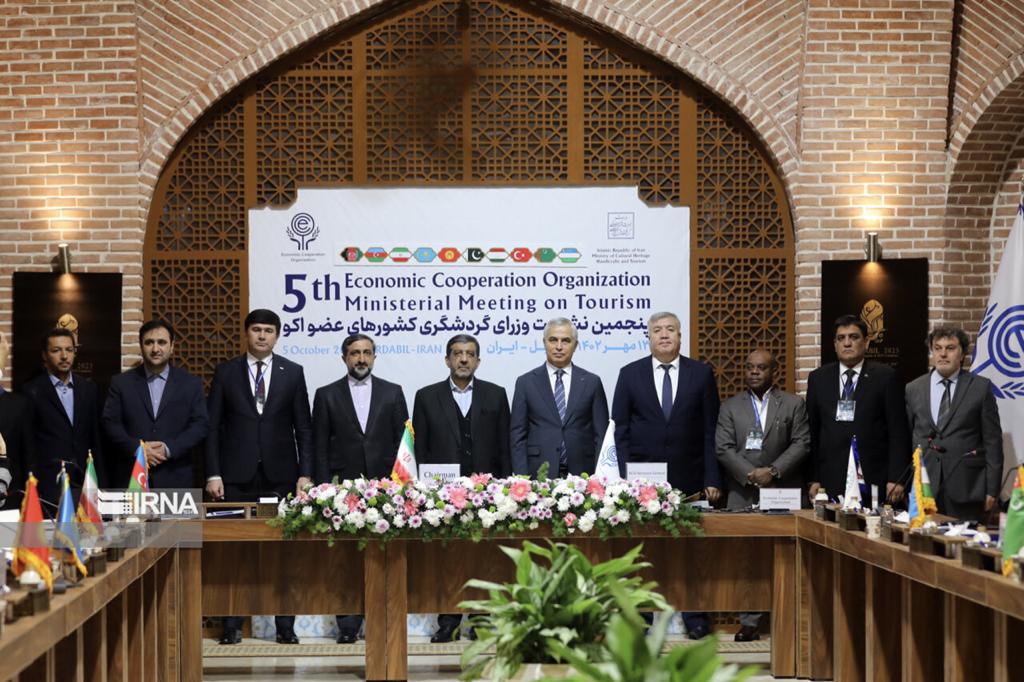
Ardabil 2023

Ardabil Province is the twenty-fifth inscribed province of the country, located in the northernmost point of Iran. It covers an area of over 18,011 square kilometers, bordered by the Republic of Azerbaijan to the north, Gilan Province to the east, Zanjan Province to the south, and East Azerbaijan Province to the west. Geographically, it lies between 37 degrees 45 minutes and 39 degrees 42 minutes north latitude and between 48 degrees 55 minutes and 47 degrees 3 minutes west longitude. The average annual rainfall in the province ranges from 250 to 600 millimeters. According to the latest national divisions, Ardabil Province includes the counties of Ardabil, Bileh Savar, Parsabad, Khalkhal, Meshkinshahr, Moghan, Namin, Nir, and Kowsar (Kiwi).

History

According to historians, the name Ardabil is derived from “Ard” and “Vil.” “Ard” refers to the 25th day of each month and is also the name of one of the angels in Zoroastrianism, meaning “lawful” and “sacred.” “Vil” is an ancient Aryan word meaning “city.” Thus, Ardabil means “holy city.”

Throughout history, this city has been important due to its unique natural conditions and strategic location. Various ancient sites from pre-Islamic times have been discovered in this province, and numerous monuments from different governments of the Islamic periods have been preserved. The ancient site of Yeri, nicknamed the city of Yeri, near Meshginshahr, indicates the millennia-long history of human settlement in this province.

The peak of Ardabil’s glory can be attributed to the Safavid period when the Sheikh Safi al-Din Ardabili dynasty ruled.

Geography

Ardabil Province, surrounded by the Sabalan, Talesh, and Bozgush mountains, is bordered by Zanjan Province to the south, East Azerbaijan Province to the west, and Gilan Province to the east. Part of Iran’s common border with the Republic of Azerbaijan is also located in the north of this province. Ardabil is famous for its abundant hot springs.

Climate

Being surrounded by high mountains and snow-capped peaks makes this province one of the cold provinces of Iran. Therefore, the best time to travel to this place is spring and summer when the weather is milder. However, for snow and cold lovers, Ardabil is an ideal destination in winter.

Counties

Ardabil

The city of Ardabil is one of the coldest cities in Iran. Its name is recorded on Sumerian tablets and has a history dating back five thousand years. Most of the people make a living through agriculture, and Ardabil is rapidly industrializing.

The mausoleum and shrine of Sheikh Safi al-Din are the most important tourist attractions in this city, which is also included in the UNESCO World Heritage List. In addition to the tomb of Sheikh Safi al-Din Ardabili, the mausoleum contains several other tombs of great figures, including Shah Ismail I (the first king of the Safavid dynasty) and his wife. The mausoleum of Sheikh Amin al-Din Jabraeil is another important historical shrine in Ardabil.

Ardabil is home to Lake Shorabil, one of the largest natural lakes within a city in Iran. Recreational facilities such as boating, cycling, and a walking path around the lake are provided.

The Jameh Mosque of Ardabil, or Friday Mosque, is a relic from the Seljuk period, and the historic bazaar of Ardabil is another historical attraction in the city. Among the historical houses of Ardabil are the Sadeghi House, Ershadi House, and Seyyed Hashem Ebrahimi House.

There are several historical bridges in Ardabil County, including the Ibrahimabad, Haft Cheshme, Naderi, Seyyedabad, and Yaghoobiyeh or Panj Cheshme bridges. Some of these bridges date back to the Safavid period.

Neor Lake is a natural tourist attraction in Ardabil County, located about fifty kilometers from the city. There are beautiful hiking and walking trails around this lake leading towards the border of Ardabil and Gilan provinces.

Meshgin Shahr

Meshgin Shahr is located at the foot of Mount Sabalan and next to the Meshginchay and Khiau rivers. It was formerly known as Khiau.

The historical site of Yeri is one of the most important tourist attractions in Meshgin Shahr. Carved stones of the city of Yeri are of the most attractive parts of this ancient area, with images of people without mouths carved into them.

The Meshgin Shahr Suspension Bridge is a modern structure that is 365 meters long, making it the longest suspension bridge in the Middle East. Crossing this bridge offers a beautiful view of the Meshgin Shahr Forest Park.

There are several historical castles in Meshgin Shahr County, including Kohneh Castle, Qahqaheh Castle, and Div Castle.

Included in the list of Iran National Natural Monuments, Sabalan highlands are posits close to Meshgin Shahr. Besides mountain climbing to the peak, its heights and hillsides have also provided picturesque landscapes for nature trekking.

Namin

Namin is located in the border area between Iran and the Republic of Azerbaijan. The moderate climate of this city is influenced by the humidity and fog coming from the Caspian Sea. Some evidence suggests that the choice of the name Namin, meaning “moist,” emphasizes this fact.

Ten kilometers away from Namin, you can visit the Fandoghlu Forest, a lush area covered with chamomile flowers from late April to late June. During this time of year, wild chamomile flowers cover an area of several hundred hectares.

Soha Lake is another natural tourist attraction in Namin County, located near a village of the same name. Soha Lake is about forty kilometers away from Ardabil.

Heyran Strait on the road from Astara to Ardabil is also one of the most exciting roads in Iran.

Khalkhal

Known as Horaabad until 1358 SH, Khalkhal is located in the southern part of the province. Some archaeological findings date the history of this city back to the second half of the first millennium BC.

The Asalem-Khalkhal Road is one of the most spectacular roads in Iran; An 80-kilometer forest road bridging between the city of Asalem in Gilan Province to the city of Khalkhal in Ardabil Province. A winding road passing through forests and mountains.

Sarein

The city of Sarein is famous for its abundant hot springs, which attract many travelers to this city. There are many spa complexes and hot springs in operation in Sarein. The ancient hill of Anahita and the Alvares Ski Resort are other tourist attractions in the city of Sarein.

Accommodations

You won’t find luxury hotels in Ardabil, instead, there are several mid-range hotels in the city. Sabalan Hotel is one of them. Mahdi Hotel, Darya Hotel, Shoorabil Hotel, and Negin Hotel are other options.

In Sarein, however, there are many hotels, including the Laleh Hotel, Royal Park Hotel, and Ershad Hotel, which are good hotels in the city.

There are also several eco-lodges in Ardabil province, including Shouon Eco-lodge, Bajilar Sardabeh Eco-lodge, Kazaj, and Eco-camp Maleksooyi.

Handicrafts

Varni is one of the handicrafts of Ardabil province; It is woven using wool or silk threads, or a combination of both, and is sometimes used as a rug. The Ilsovan tribes in Dasht-e Moghan are one of the major producers of Varni.

Other handicrafts of Ardabil province include Kilim, Jajim, wood carving, traditional socks, and felt. Mafrash and Ojaq Qaraqi are other handicrafts with which the tribes of Ardabil province are occupied.

Local Foods

Ash-e Miveh is one of the unique traditional foods of Ardabil province, which is made from dried fruits. Ash-e Doogh is another cuisine made from chickpeas, rice, local yogurt, vegetables, and more.

Pichagh Gheymeh is a delicious food combined of almonds, meat, onions, eggs, and mulberry leaves. Saj Kebab or Saj Ghoorma should also not be forgotten. This dish is prepared with meat, onions, animal fat, dried lavash bread, yogurt, garlic, salt, and pepper.

Khashil is a popular Ardabil food in cold seasons, which is made with date syrup (honey), cracked wheat, flour, butter, cinnamon, and sugar.

Souvenirs

Honey, Sarshir, and local butter are special souvenirs of Ardabil province.

Halva-e Siyah is one of the old and famous snacks of the region. Baghlava and Fatir bread are tasty sweets and breads in Ardabil province.

Customs and Traditions

Among the various customs in the cities of this province, the ritual of “Parche Kasdi” can be mentioned, which is now only practiced in some areas of the province. Parche Kasdi was a female ceremony held before the wedding day, where family members sewed clothes for the bride.

The customs of Nowruz and mourning during the month of Muharram are other traditions that are held with the same traditional atmosphere in the cities of the province.

Celebrations of the ECO Tourism Capital in 2023

Ardabil City of the Islamic Republic of Iran was declared as ECO Tourism Capital for 2023. The event organized on April 27, 2023 was graced by the presence of H.E. Mr. Ezzatollah Zarghami, Minister of Cultural Heritage, Tourism and Handicrafts of the Islamic Republic of Iran, H.E. Mr. Seyed Hamed Ameli, Governor of Ardabil Province, ambassadors and diplomats based in Iran, Secretary General of ECO as well as the heads of Iranian Tourism Business Associations.

Inaugurating the festive ceremony, the Governor of Ardabil Province, H.E. Mr. Seyed Hamed Ameli stated that selection of Ardabil as the ECO Tourism Capital 2023 will serve as a gateway to the beginning of extensive communication and cooperation between Ardabil Province and ECO Member Countries in the fields of tourism, economy, agriculture, industry and culture. He highlighted that ECO is considered as the most influential regional organization in various fields playing a significant role in the development of economic, cultural and tourism relations.

The Governor General also informed the audience about the huge tourism potential of Ardabil Province and mentioned that the province plays a key role as a gateway between Iran, Russia and the Caucasus region. He also noted the importance of reviving silk road destinations for more tourist attraction into the region.

The ECO Secretary General Ambassador Khusrav Noziri presented a Certificate to the Governor of Ardabil Province regarding the declaration of Ardabil city as the ECO Tourism Capital for 2023. The Secretary General highlighted that being home to 74 UNESCO registered World Heritage Sites, the ECO region is a fascinating tourism destination with its natural endowments, diversity of historical and cultural values as well as evocative memories of the ancient Silk Road.

Recalling the selection of Ardabil as the ECO Tourism Capital for 2023, he expressed that Ardabil is famous for having lush natural beauty, hospitable people, and its silk and carpet trade tradition. Various ancient sites from the pre-Islamic era and many relics of different Islamic dynasties discovered in this province reveal the roots and traces of an ancient civilization in this region while the name of the city is recorded on Sumerian Tablets, depicting the history of about five thousand years, and also repeatedly mentioned in Shahnameh, which establishes the city’s importance in ancient Iran, he remarked.

The Minister of Cultural Heritage, Tourism and Handicrafts of the Islamic Republic of Iran, H.E. Mr. Ezzatollah Zarghami congratulated the authorities of Ardabil Province and ECO Secretariat for the successful coordination of the event. Expressing gratitude to ECO Member States for selection of Ardabil as ECO Tourism Capital 2023, he noted that tourism is the best public diplomacy which facilitates interactions between peoples and cultures.

On the sidelines of the event, a joint meeting between tourism stakeholders of ECO Member States, the Secretary General of ECO, Deputy Minister of Cultural Heritage, Tourism and Handicraft of the Islamic Republic of Iran and ambassadors and diplomats of the ECO countries discussed opportunities for enhancing regional interaction and cooperation in the tourism sector.

Ardabil hosted 5th ECO Ministerial Meeting on Tourism

The 5th ECO Ministerial Meeting on Tourism, preceded by the High Level Expert Group (HLEG) Meeting was held on October 4-5, 2023 in Ardabil, Iran. The Ministers and high level representatives from the Member States, as well as the ECO Secretary General attended the meeting. The D-8 Secretary General Ambassador Isiaka Abdulqadir was invited to the event by the host country as a special guest.

The meeting was chaired by H.E. Mr. Ezzatollah Zarghami, Minister Cultural Heritage, Tourism and Handicrafts of the Islamic Republic of Iran. Honourable Minister, while welcoming the participants, stated that the ECO Member States should utilize their capacities in order to foster peace and solidarity, integration and regional cooperation in the areas of transportation, energy, trade and tourism. Honourable Minister emphasized that tourism industry had been acting as one of fast-growing economic sectors and had been the most significant pioneers of the economic growth in the world during recent years. Having national beauty, ethnic diversity, miscellaneous traditions and historical and cultural heritage, the ECO region has the potential to become a leading tourism destination in the world. In this context, he also highlighted the importance of the protection of the environment and cultural heritage sites.

The Minister expressed gratitude to the ECO Member States for selecting Ardabil as the ECO Tourism Capital for the year 2023, and noted that hosting current meeting in Ardabil is one of the significant consequences of the celebrations.

Addressing the meeting, the ECO Secretary General Ambassador Khusrav Noziri emphasized the importance of meeting to review the implementation of status of the agreements concluded during the 4th Ministerial Meeting on Tourism, along with revisiting tasks and activities defined within the Samarkand Declaration. He stressed that this Ministerial Forum is a significant event in terms of development and implementation of joint tourism projects and programs. The Secretary General further stated that the Ardabil Declaration would facilitate smooth execution of ECO’s policy based and action-oriented programs for ensuring regional activities at pre-pandemic level.

In addition, Ambassador Noziri mentioned that ECO is pursuing its cooperative relations with other regional and international tourism stakeholders and noted 25th Session of the General Assembly of the United Nations World Tourism Organization to be held in Samarkand, Uzbekistan on October 16-20, 2023. He added that this event would provide opportunities for collaboration in tourism sector and increase of the visibility of the ECO region.

During the meeting, heads of delegations from the ECO Member Countries delivered their statements, summarizing their national policies and ongoing tourism programs as well as engagements with regard to the promotion of tourism sector.

The meeting adopted the Ardabil Declaration outlining the areas for possible cooperation in tourism sector, and selected the city of Shusha in the Republic of Azerbaijan as the ECO Tourism Capital for 2026.

Sari 2022

Sari, the capital of Mazandaran, is the biggest and most populated city in the province. The city is located in northern Iran, between the slopes of the Alborz Mountains and the southern coast of the Caspian Sea.

The city has been mentioned in Ferdowsi’s magnum opus, the Shahnameh (Book of Kings), which recounts Iran’s mythical and historical past. Excavations at Hutto and Kamarband Caves have provided evidence of the existence of settlements around Sari as far back as the 7th millennium BC.

Throughout its history, Sari has served as the capital of several local dynasties including the Bavandids (651-1349). Resket Tower is one of the tomb structures from this era. Lajeem is another similar tower believed to be a post-Bavandid structure.

In the Safavid era, the founder of the dynasty, Shah Abbas I (1571-1629), created his alternate capital in Farahabad just outside Sari. Shah Abbas is said to have chosen this location as his mother originated from Behshahr a town in Mazandaran Province. When the Qajar came to power they made Sari the capital of Mazandaran once again and the city became the center of their rule for a short period. The founder of the Qajar Dynasty Agha Mohammad Khan (1742-1797) originally held a coronation ceremony in Sari before moving his capital to Tehran.

The laying of the first Iranian railroad network began in this city. Sari has also been noted throughout history for its nature and many orange groves. The unique Badab-e Surt natural spring, which is the second registered natural attraction of Iran, is located in the Chahardangeh district of Sari.

The city’s Sa’at Square is one of the notable landmarks of the city. Local residents are known as Saravis or Sariyan. The population is a mixture of native Mazandaranis, Persians speaking people, Azerbaijanis, Caucasians, Kurds, and Turkmens.

Whereas neighborhoods were identified during the Qajar dynasty by the ethnicity of their inhabitants, this is no longer so. Sari, as well as other regions innorthern Iran, is well known for its hospitality. Sari used to be the home of Georgians, Armenians, and Zoroastrians, but today they are only from small minorities.

Local languages are spoken in some neighborhoods, but almost everyone understands and uses mainstream Persian as a lingua franca.

The unique nature and wildlife and favorable weather conditions have made the city very popular. Sari has distinct and manifold beauties and attractions and being a four-season city gives tourists the chance to enjoy the unique nature at any time of the year.

Besides, the local foods of Sari and its special souvenirs are very attractive to travelers and tourists. Sari’s handicrafts are also the manifestation of the art of the people who lived in the Caspian Sea region for many years and created the arts that are of interest to everyone today.

Textiles, wood carving, sock weaving, lacquer making, mat weaving, carpet weaving, jajim weaving, pottery, and carpet weaving are among the major arts of the people of Sari.

Last but not least, Sari is of special importance due to its location on the route connecting the east to the center of Iran. This city is adjacent to the Caspian Sea from the north and the forest and river from the south. Like other northern cities, Sari is a citrus producer and one of the hubs of rice and livestock products in the country. Also, Mazandaran Wood and Paper Company, one of the largest paper-producing companies in the Middle East, is located in Sari.

Source: ECO Heritage, Sari City Special Issue of ECI December 2022

Celebrations of the ECO Tourism Capital in 2022

Sari, the capital city of the Mazandaran Province of the Islamic Republic of Iran, was declared by ECO to be its Tourism Capital for 2022. The occasion, organized on May 10, 2022, was graced by the presence of the Governor General of the Mazandaran Province, ambassadors and other diplomats based in Iran, Secretary General of the ECO and his relevant staff as well as the heads of Iranian Tourism Business Associations. During the event, the ways and means to develop and expand the ECO cooperation in tourism industry, especially in the post-COVID scenario, were explored.

Sari, the capital city of the Mazandaran Province of the Islamic Republic of Iran, was declared by ECO to be its Tourism Capital for 2022. The occasion, organized on May 10, 2022, was graced by the presence of the Governor General of the Mazandaran Province, ambassadors and other diplomats based in Iran, Secretary General of the ECO and his relevant staff as well as the heads of Iranian Tourism Business Associations. During the event, the ways and means to develop and expand the ECO cooperation in tourism industry, especially in the post-COVID scenario, were explored.

Inaugurating the festive ceremony, the Governor General of the Mazandaran Province, H.E. Seyed Mahmoud Hosseinipour welcomed and thanked the participants for attending the event. He made a detailed presentation on industrial and transit-transport potential of the Province, noting that the tourism industry that bears diversity of attraction in nature, health, agriculture etc., has got a huge potency for creating investment and job opportunities and thereby augmenting the sustainable development targets. He emphasized that the ECO Member States could benefit from such a scope and geographical location of the Province which possesses three seaports on the shore of the Caspian Sea and well-developed land routes, having the strength to serve the expansion of the North-South International Transport Corridor.

Expressing his views during the ceremony, the CPR’s Chair and the Uzbekistan’s Ambassador to Iran, H.E. Mr. Bakhodir Abdullayev recalled certain aspects of the tourism-related proposals given during the 15th ECO Summit at Ashgabat in November 2021. He appeared confident that the Sari event would oxygenate the ECO’s activities in tourism sector. He added that the 4th Ministerial Meeting on Tourism planned to be convened at Bukhara is expected to adopt an ECO Action Plan with a view to addressing and overcoming the post-pandemic challenges aimed at reviving the regional tourism. In addition, he briefed on the measures being taken by the Government of Uzbekistan in tourism sector under the guidance of the President of Uzbekistan, H.E. Mr. Shavkat Mirziyoyev. Ambassador Abdullayev informed that the 25th Session of the UN World Tourism Organization would be convened at Samarkand in 2023.

Sari1.jpgThe ECO Secretary General H.E. Mr. Khusrav Noziri underscored the importance of tourism that occupies a central place on ECO’s agenda. He conveyed the Organization was deeply determined for accelerating the promotion of regional tourism industry through development of proper policies and strategies as well as relevant projects. He considered that the proclamation of Sari as ECO Tourism Capital for 2022 reflects ECO’s commitment and will stand along the indigenous communities to help them flourish and prosper, showcasing their tourism potential and capacities at greater scale and sight.

He also underscored the significance of other ECO initiatives for an enhanced trade and connectivity as well as increased people-to-people contacts aimed at securing greater regional integration. Concluding his remarks, the Secretary General presented a Certificate to the Governor General of the Mazandaran Province regarding the declaration of Sari as ECO tourism Capital for 2022.

The Minister of Cultural Heritage, Tourism and Handicrafts of Islamic Republic of Iran, H.E. Mr. Ezzatollah Zarghami explained that the core idea behind the ECO Tourism Capital (s) is to encourage the Member States for developing their relevant national plans and programs with the ultimate aim of poverty alleviation in the region.

Besides, it is targeted at seeking large-scale attention to nature, religious, health and culture tourism to support the overall socioeconomic wellbeing of the region. He believed Sari to be the right choice for ECO Tourism Capital since the city is regarded the symbol of whole Iranian land. He also underlined the importance of Road Tourism considering the borders’ linkages amongst the Member States.

During their visit to Sari, the delegates attended the opening of exhibition on commercial, agricultural, fisheries, mining, handicrafts, cultural heritage and tourist attractions of the Mazandaran province. They also visited Dashte Naz farming Company to familiarize with agro tourism potential of the area. The delegations were also taken to the various tourist sites of the province for their exposure and ecstasy.

Dushanbe 2020-2021

The city of Dushanbe has rich tourism resources and provides comprehensive infrastructure and services for the development of tourism, which contributes to international political, scientific, cultural and technical activities, at the same time attracting the attention of the international community and thus strengthening the country’s image as a peaceful Republic of Tajikistan and having rich tourist resources and a favorable base. The development of the tourism industry of the capital, also contribute to the availability of historical sites, historical and architectural monuments, medical and preventive institutions, etc.

Currently, there are 40 hotels in the city, which serve guests from the country and abroad. At the same time, 10 cultural and entertainment parks, three national parks are located in the center of the capital, are tourist attractions for residents and tourists of the country.

One of the most important issues of joining the world tourism markets is membership in the world’s leading tourism organizations and participation in international exhibitions.

It should be noted that one of these organizations is the World Federation of Tourist Cities and the Board of the Federation is located in the city of Beijing of the People’s Republic of China. More than 130 cities of the world and 70 institutional organizations from among the large tourist companies, associations, airlines, hotel chains and recreation facilities are part of this Federation.

According to the strategy, in the near future Dushanbe will become a member of the World Federation of Tourist Cities.

Currently a number of tour companies regularly implement various flights to tourist areas of the country, including in the spectacular sights of Dushanbe, Dushanbe-Gissar Fortress, Dushanbe-Safed-Dara, Dushanbe – Norak (two kinds), Dushanbe-Iskandarkul (two kinds), Dushanbe – Varzob, Dushanbe – Romit, Dushanbe – Muminabad district (with a visit to the districts of Dangara, Vose and Kulyab city), Dushanbe-Panjakent, Dushanbe-Khujand, Dushanbe-Shahritus (with a visit to the reserve “Besha-i- Palangon” (Tigrovaya Balka”) – Dushanbe, Dushanbe-Badakhshan.

In Dushanbe there are 3 ancient monument, a fortress MIR (Bogh-i- Iram), the ruins of Shishakhona, small-town Chormaghzteppa, the fortress Iskandarkul, 4 monuments, such as the Architectural Complex of the Unity and Revival of Tajikistan with the statue of Ismail Somoni, Avicenna monument, the statue of Abuabdulla Rudaki, the Architectural and monumental complex of Aini and 12 architectural monuments. The city has 62 restaurants, 70 cafes, 156 national cuisines, 5 entertainment centers, 9 dry cleaners, 2 teahouses, 59 medical and preventive institutions for receiving guests, as well as domestic and foreign tourists.

According to international estimates, the city of Dushanbe is among the ten safest cities, which helps to attract tourists, and on this basis, all historical and cultural attractions of the city are included in all tourist routes.

Source: https://traveltajikistan.tj/en/category/regions/dushanbe/

Celebrations of the ECO Tourism Capital in 2021

An international festival entitled “Dushanbe ,“ ECO Tourism Capital” was held on August 29-30, 2021 in Dushanbe, Tajikistan. A number of participants, including senior local dignitaries and the high-level delegations representing the tourism sector of the ECO Member States as well as delegation of the ECO Secretariat attended the event.

While welcoming the participants, Mr. Tojjiddin Jurazoda, Chairman of the State Committee for Tourism Development said that Dushanbe serves as a mirror of cultural and historical heritage of the country.

The Deputy Mayor of Dushanbe, Ms. Mavsuma Muini briefed the event’s participants about the development of the capital city in the recent years.

On the occasion, the ECO Deputy Secretary General, Ambassador Jandos Asanov presented, on behalf of the ECO Secretary General a certificate declaring the capital city of Tajikistan ,“ Dushanbe as ECO Tourism Capital for the years 2020-2021. In his remarks, Ambassador Jandos noted that the tourism sector of Tajikistan made remarkable progress under the patronage and vision of the country’s honourable President, H.E. Mr. Emomali Rahmon. He expressed optimism that the organization of such events would help realize our shared interests and objectives in the region’s tourism sector as per ECO Vision,“ 2025.

Within the framework of the international tourism festival, another event titled “Agro-Tourism Development in Tajikistan” was also organized. Moreover, the participants visited Tursunzoda and Hisar cities as part of the programme of events.