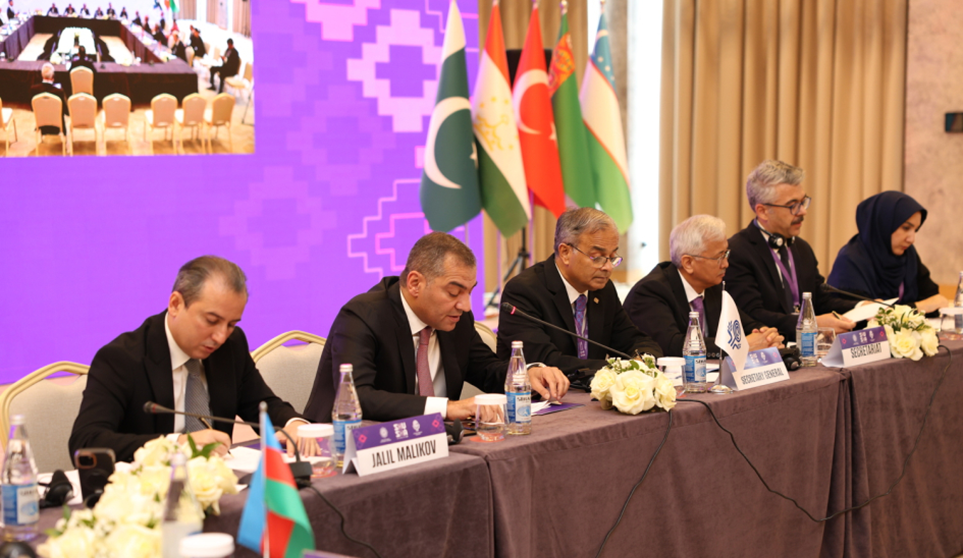
ECO Tourism Ministerial Meetings are high-level meetings organized with the participation of the highest-level government officials responsible for tourism in ECO Member States in order to guide ECO’s work in the field of tourism. The most recent 7th ECO Ministerial Meeting on Tourism preceded by the 9th Meeting of the High-Level Experts Group on Tourism convened on 27-29 April 2026 in Shusha, ECO Tourism Capital 2026.
The gathering brought together tourism leaders from nine ECO Member States to discuss regional tourism cooperation and development strategies. The opening remarks by ECO Secretary General Ambassador Asad Majeed Khan, highlighted the region’s strong tourism performance, noting that international visitor numbers to ECO Member States surpassed 105 million in 2025. He emphasized the importance of collective action to achieve the ambitious targets for 2035 including increasing tourism’s contribution to national economies and enhancing regional competitiveness.
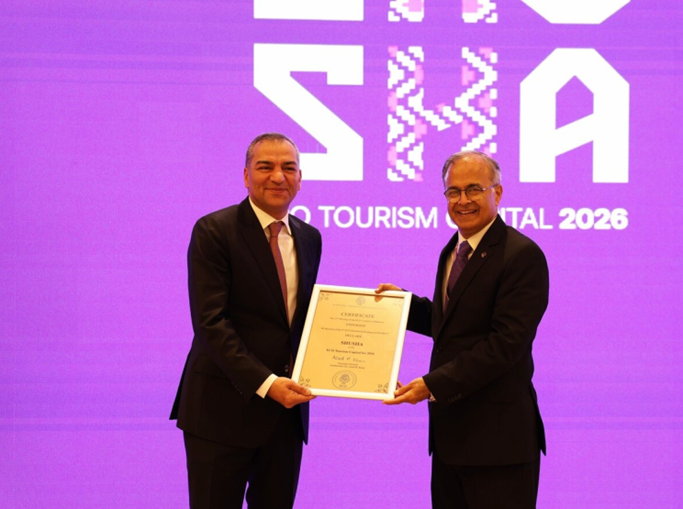
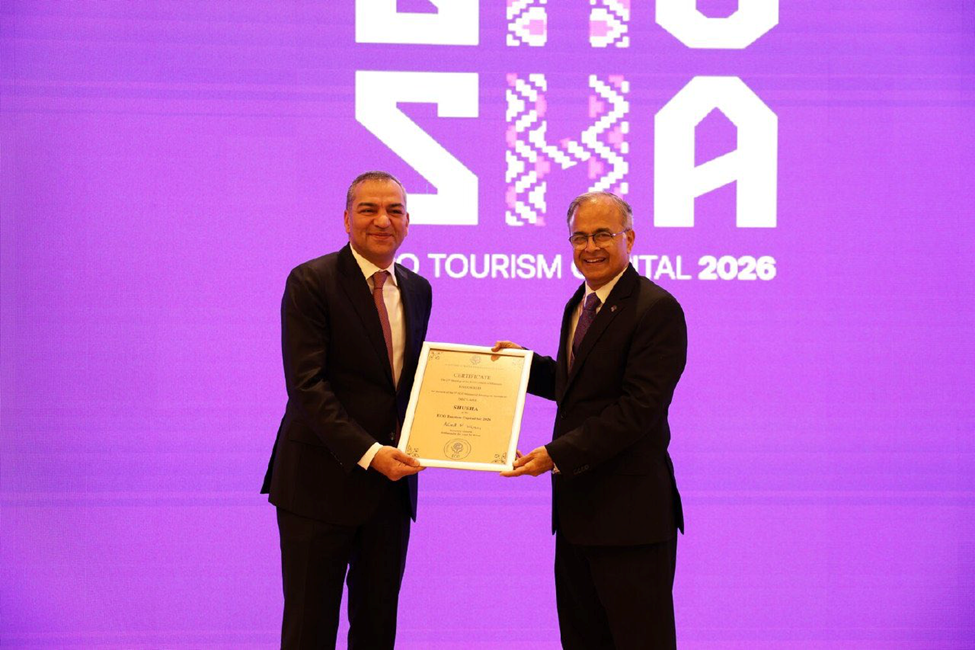
The ECO Secretary General formally presented the certificate to the Chairman of the State Tourism Agency of the Republic of Azerbaijan in the opening of the meeting.
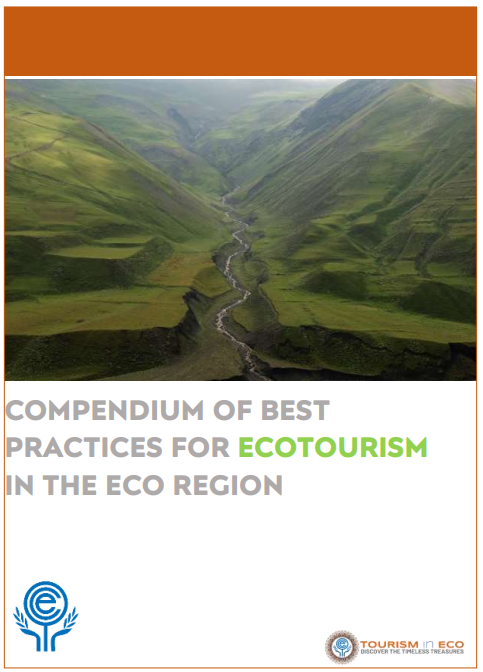
The Ministers deliberated on a range of strategic initiatives aimed at fostering sustainable and inclusive tourism growth. This included official the launch of the ECO Compendium of Best Practices in Ecotourism, and the Policy Brief on Diversifying Regional Tourism as well as the selection of Aktau as the ECO Tourism Capital 2030. The Meeting also discussed strengthening tourism education, jointly marketing of destinations and promoting investment opportunities across the region.
Participants reaffirmed their commitment to advancing tourism as a driver of economic growth, cultural exchange, and regional connectivity. They emphasized the importance of preserving cultural heritage and promoting tourism as a force for peace, stability, and mutual understanding.
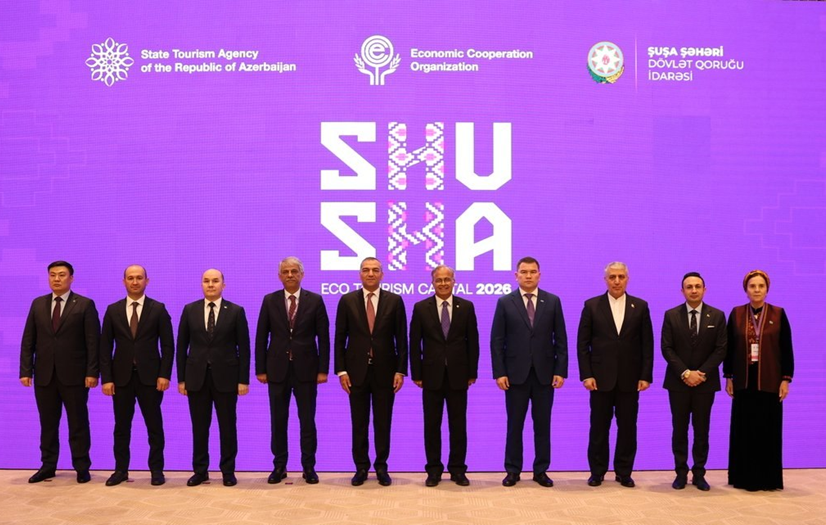
The Meeting concluded with a group photo and appreciating messages to the Government of the Republic of Azerbaijan for its warm hospitality and excellent organization of the event.
Perched majestically atop the mountains of Karabakh, Shusha stands as one of the most treasured cultural and historical cities of Azerbaijan. Founded in 1750 by Panah Ali Khan as the capital of the Karabakh Khanate, the city has long been admired for its strategic location, architectural heritage, and vibrant cultural life. Surrounded by dramatic cliffs and breathtaking landscapes, Shusha has served for centuries as a crossroads of trade, arts, and ideas, earning a distinguished place in the history of the South Caucasus.
Widely celebrated as the cultural capital of Azerbaijan, Shusha has nurtured generations of poets, musicians, artists, and intellectuals whose contributions have shaped the nation’s cultural identity. The city is renowned as a cradle of Azerbaijani music and literature, particularly for its rich Mugham tradition and its unique literary gatherings known as majlis. Historic landmarks such as the Yukhari Govhar Agha Mosque, the Vagif Mausoleum, and elegant stone mansions reflect the city’s enduring architectural and artistic legacy.
Throughout the nineteenth century, Shusha flourished as a prosperous center of commerce, craftsmanship, and silk production, attracting merchants and travelers from across the region. Its cosmopolitan atmosphere and hospitable spirit inspired prominent visitors, including the celebrated French writer Alexandre Dumas. Blessed with a mild mountain climate, picturesque scenery, and a rich cultural landscape, Shusha became a favored retreat for many of Azerbaijan’s leading literary and musical figures.
Recognizing its outstanding cultural significance and growing role in regional tourism, the fifth ECO Ministerial Meeting on Tourism, held in Ardabil, Islamic Republic of Iran, on 5 October 2023 selected Shusha as the ECO Tourism Capital for 2026. This title highlights Shusha’s unique heritage, its contribution to intercultural dialogue, and its potential to serve as a leading tourism destination within the Economic Cooperation Organization (ECO) region.
As ECO Tourism Capital 2026, Shusha welcomes visitors to discover its remarkable history, living traditions, and timeless beauty:
The official inauguaration ceremony for the Shusha as the ECO Tourism Capital 2026 was held on 29 April 2026 along with the 7th ECO Ministerial Meeting on Tourism and the ECO Secretary General Ambassador Dr. Asad M. Khan formally presented the certificate to the Chairman of the State Tourism Agency of the Republic of Azerbaijan in the opening of the meeting. The celebratory events also included a concert of Azerbaijan State Symphony Orchestrate on 27 April 2026 and a Gastronomy Fest on 28 April 2026 along with the 9th Meeting of the High Level Experts Group on Tourism.
At the 47th session of the UNESCO World Heritage Committee, three sites of the ECO region were officially inscribed, marking Iran’s 29th, Tajikistan’s 5th, and Türkiye’s 22nd World Heritage Site.
Prehistoric Sites of the Khorramabad Valley, Islamic Republic of Iran, as the first proven human habitat in the world, dating back over 65,000 years;
Cultural Heritage Sites of Ancient Khuttal, Republic of Tajikistan, reflecting its role from the 7th to 16th centuries in the Silk Roads trade, and served as a hub for cultural, religious, and technological exchanges;
Sardis and the Lydian Tumuli of Bin Tepe, Republic of Turkiye, as the city with a unique urban structure, and the cemetery of Bin Tepe features some of the largest tumulus tombs in the world;
These registrations represent not only a remarkable and unprecedented event for the countries but also for the ECO region as a whole. With a total of 82 World Heritage Sites, the ECO region continues to offer vast opportunities for tourism development and socio-economic growth.
ECO Tourism Ministerial Meetings are high-level meetings organized with the participation of the highest-level government officials responsible for tourism in ECO Member States in order to guide ECO’s work in the field of tourism. The most recent 6th ECO Ministerial Meeting on Tourism preceded by the 8th Meeting of the High-Level Experts Group on Tourism convened on 25-26 April 2025 in Erzurum, the ECO Tourism Capital for 2025.
The gathering brought together tourism leaders from nine ECO Member States to discuss regional tourism cooperation and development strategies. ECO Secretariat also attended the meeting as well as the representatives of ECO Observers, the Organization of Turkic States and Turkish Cypriot State.
The meeting commenced with opening remarks by ECO Secretary General Ambassador Asad Majeed Khan, who emphasized the vital role of tourism in regional integration and highlighted ECO’s ongoing tourism cooperation initiatives. H.E. Mehmet Nuri Ersoy, Minister of Culture and Tourism of the Republic of Türkiye, outlined Türkiye’s current progress and strategic plans for advancing its tourism industry.
The ministers also approved the selection of Lahore from Pakistan, as the ECO Tourism Capital for 2027, Mary from Turkmenistan for 2028 and Karakol for 2029, recognizing their rich cultural heritage and tourism potential.
Discussions further encompassed the progress of tourism cooperation under ECO framework and deliberations on formulating the tourism-related components of ECO’s new strategic vision for the next decade.
A significant milestone of the meeting was the official launch of the 1st Edition of the ECO Tourism Investment Guide, aimed at attracting investment and promoting tourism opportunities within the ECO region. The meeting concluded with the unanimous adoption of the “Erzurum Declaration,” outlining collective commitments with the decisions taken and future directions for regional tourism cooperation.
Erzurum, located in Eastern Türkiye, is one of Türkiye’s most historic and culturally rich cities. Erzurum is one of the 30 metropolitan municipalities of Türkiye. The city has a population of 745,000 as of 2024 and there are 20 towns. City’s economy mainly depends on agriculture and livestock.
The ECO Tourism Capital for 2025, Erzurum is proud to present its unique blend of natural beauty, historical significance, cultural heritage, and hospitality to visitors from across the globe. Founded over 2,000 years ago, Erzurum has served as a crossroads of civilizations, trade routes, and empires—leaving a legacy that resonates in its architecture, cuisine, and traditions.
Historical and Cultural Attractions
Yakutiye Madrasah: A magnificent 14th-century theological school built by the Ilkhanids, the Yakutiye Medrese is known for its towering portal and ornate stone carvings. Today, it functions as a museum that showcases Islamic art and Erzurum’s ethnographic treasures.
Erzurum Castle and Clock Tower: Perched above the city center, the historic castle dates back to the Byzantine period. Nearby, the 19th-century Clock Tower offers panoramic views of the city and its surroundings.
Three Tombs (Üç Kümbetler): These intricately carved Seljuk mausoleums are among the most iconic symbols of Erzurum, reflecting the region’s medieval Islamic architecture.
Lala Mustafa Pasha Mosque: A grand Ottoman Mosque built in the 16th century by the famed architect Mimar Sinan. It remains a key place of worship and an architectural landmark.
Atatürk House Museum: This historical house where Mustafa Kemal Atatürk stayed during the Erzurum Congress in 1919 played a pivotal role in Türkiye’s War of Independence. It is now a museum open to the public.
Natural Beauty and Outdoor Adventures
Palandöken Mountain: One of Türkiye’s premier winter sports destinations, Palandöken is renowned for its long ski season and modern facilities. It has hosted numerous international events including the Winter Universiade and World Snowboard Cup.
Tortum Waterfall: Located north of the city, this is one of Türkiye’s highest waterfalls and a perfect destination for nature lovers. The surrounding area offers opportunities for picnics and photography.
Narman Fairy Chimneys: Often referred to as the “Cappadocia of the East,” this geological wonder features red rock formations that have been naturally sculpted over centuries.
Culinary Highlights
Erzurum boasts a distinctive cuisine with deep Anatolian roots:
Cağ Kebabı: A horizontal rotisserie-style lamb kebab, unique to Erzurum and beloved throughout Türkiye.
Kadayıf Dolması: A local dessert made by stuffing kadayıf (shredded pastry) with walnuts, rolling it, and frying before soaking in syrup.
Ayran Aşı (Yayla Çorbası): A refreshing yogurt-based soup, perfect for the city’s cool climate.
Modern Infrastructure and Accessibility
Erzurum is well connected by air, road, and rail. Erzurum Airport offers regular domestic and seasonal international flights. The city features modern 5-star hotels, conference facilities, and hospitality services, making it a rising destination for both leisure and business tourism.
Promotional Video for Erzurum:
Celebrations of the ECO Tourism Capital in 2025
Erzurum was formally inaugurated as the ECO Tourism Capital for 2025 during a distinguished ceremony held on April 26, 2025 as an alongside event of the 6th ECO Ministerial Meeting on Tourism.
Official Opening Ceremony:
The event, marked by cultural vibrancy and international camaraderie, was attended by high-ranking dignitaries, including H.E. Cevdet Yılmaz, Vice President of the Republic of Türkiye; H.E. Mehmet Nuri Ersoy, Minister of Culture and Tourism of the Republic of Türkiye; Ambassador Asad M. Khan, ECO Secretary General as well as local and international guests.
In his address, Vice President Yılmaz lauded Erzurum’s unique amalgamation of historical richness, cultural depth, and natural beauty, emphasizing its potential as a hub for eco-tourism and adventure tourism. Minister Ersoy highlighted Türkiye’s commitment to regional collaboration and the sharing of expertise in tourism development, describing Erzurum’s designation as a significant achievement.
Ambassador Khan reaffirmed ECO’s dedication to promoting sustainable tourism and regional integration, expressing confidence that Erzurum’s tenure as ECO Tourism Capital will foster this well-established tradition of the ECO.
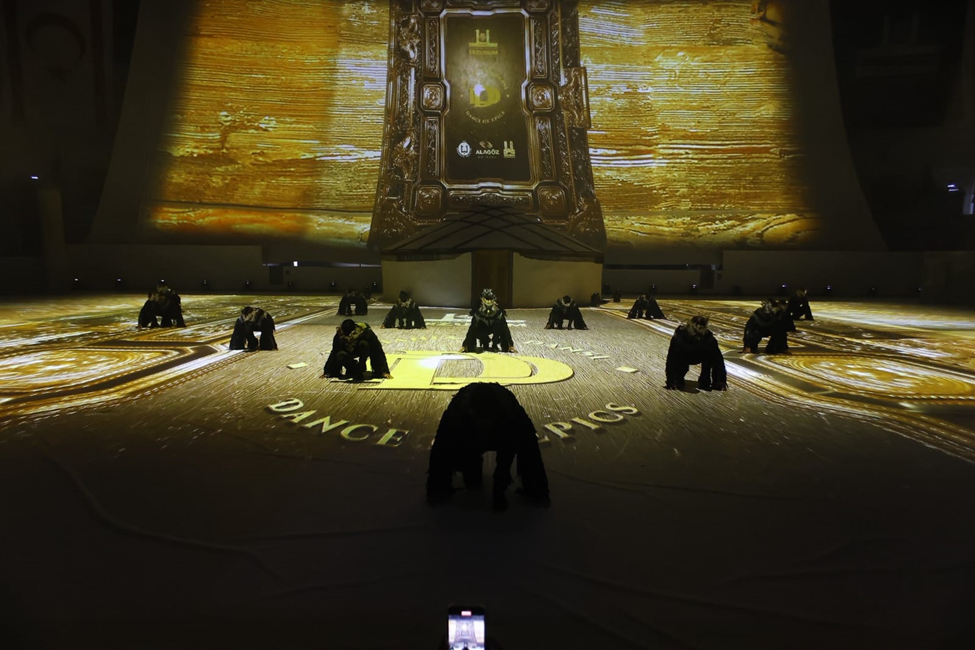
The ceremony included the official presentation of the ECO Tourism Capital 2025 certificate by Ambassador Khan to Mr. Mustafa Çiftçi, Governor of Erzurum, accompanied by Mr. Mehmet Sekmen, Mayor of Erzurum, and Mr. Muharrem Çığlık, Coordinator for ECO Tourism Capital 2025. The event featured captivating cultural performance, the “Dance of Epics” reflecting various historical story telling items and celebrating the city’s rich cultural heritage.
Erzurum has hosted a series of significant events, such as the Winter Games, World Snowboard Cup, and the ECO Winter Disaster Drill. The city’s calendar also includes the Drama Festival, International Cycling Tour, Cultural Road Festival, and Gastronomy Fair, among various local festivities, all aimed at showcasing Erzurum’s diverse attractions. Notably, Erzurum also holds the title of European Capital of Winter Sports for 2025, further cementing its status as a premier destination for winter tourism.
Azerbaijan: Citizens from certain countries may apply for an e-visa through the ASAN Visa portal. Others should refer to their country’s embassy. For more information click here: https://evisa.gov.az/en/
Iran: Tourist visas are generally required. E-visas are available for many nationalities; check the Iranian Ministry of Foreign Affairs website for specific requirements. For more information click here: https://evisa.mfa.ir/en/
Kyrgyz Republic: Many travelers can enjoy a 60-day visa-free regime. E-visa is also available. For more information click here: https://evisa-e-gov.kg/
Pakistan: Visa on arrival or e-visas is available for citizens of many countries, while others need to apply in advance. For more information click here: https://visa.nadra.gov.pk/
Tajikistan: Tourist visas are required and can often be obtained through their embassies. An e-visa option is also available. For more information click here: https://www.visa.gov.tj/index.html
Türkiye: Many countries can enter Türkiye visa-free or apply for an e-visa online. Check if you need a visa in advance. For more information click here: www.evisa.gov.tr
Uzbekistan: Certain nationalities can enter visa-free for a predefined duration. Others must apply for an e-visa or contact the Uzbekistan Embassy. For more information click here: https://e-visa.gov.uz
Tip: Always check official immigration websites or consult your travel agent for the most recent updates on visa requirements.
Flight and Travel Conditions
Traveling to ECO Member States is made easier with numerous airlines operating in and out of the region. You can find updates for flights to the major international airports in the ECO region via following links:
Connections: Be aware that some destinations may require connecting flights, especially from regions outside of Europe and Asia.
Local Transport: Public transportation varies by country. In larger cities, options include taxis, ridesharing, buses, and metro systems, while more rural areas may have limited access to public transport.
Weather Conditions
The climate across ECO countries varies considerably due to diverse geographical features:
Afghanistan: Continental climate with hot summers and cold winters.
Azerbaijan: Mild, wet winters in coastal areas; dry, hot summers.
Iran: Ranges from arid to temperate along the coasts; summers can be extremely hot.
Kazakhstan: Harsh continental climate with cold winters and hot summers.
Kyrgyz Republic: Mountainous regions experience varied weather; summers are pleasant, but winters can be harsh.
Pakistan: Varies from tropical in the south to temperate in the north; check region-specific conditions.
Tajikistan: Mountainous terrain; summers are warm while winters are cold.
Türkiye: Diverse climate; coastal areas are mild, while eastern regions experience significant snowfall in winter.
Turkmenistan: Desert climate with hot summers and mild winters.
Uzbekistan: Continental climate with hot summers and cool winters.
Best Time to Visit: Generally, spring (April to June) and autumn (September to November) are considered ideal for most ECO region due to pleasant weather.
Other Necessary Information
Currency: Each country has its own currency; familiarize yourself with the local currency and exchange rates. Carrying some cash is advisable as not all places accept credit cards.
Health and Safety: Consult your healthcare provider for recommended vaccinations and health precautions before traveling. Travel insurance is also recommended.
Local Customs: Respect local customs and traditions. Dress appropriately, especially in more conservative regions, and learn a few phrases in the local language for a better experience.
Emergency Numbers: Familiarize yourself with local emergency numbers and the location of your country’s embassy or consulate upon arrival.