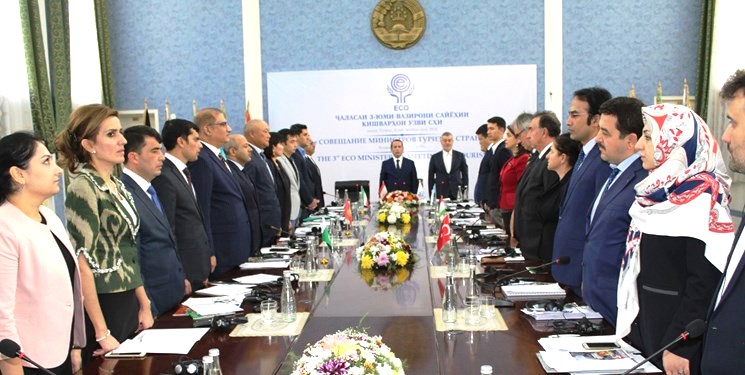
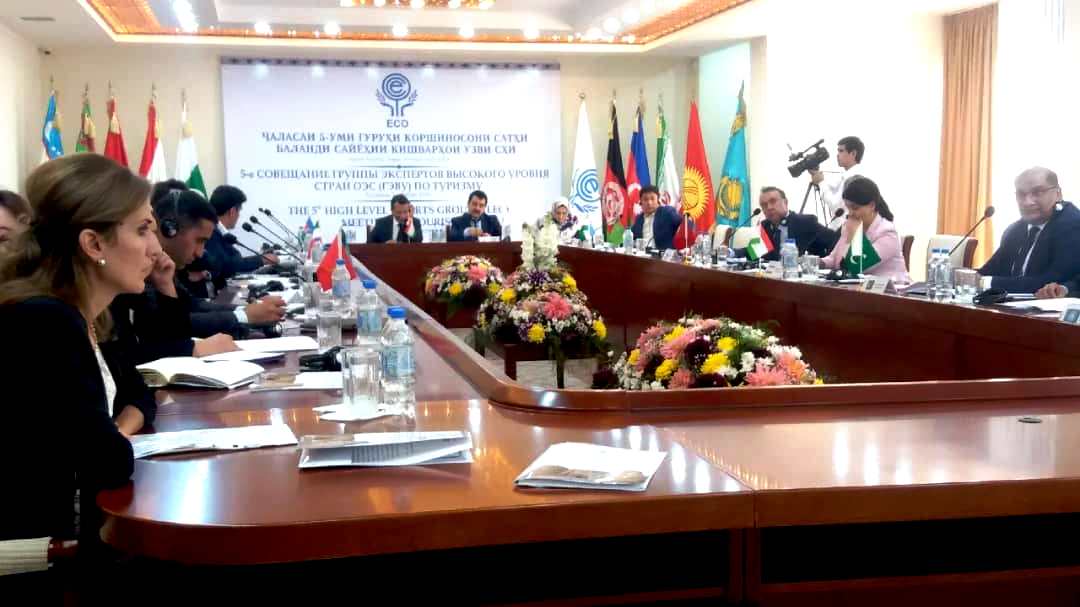
The 4th ECO Ministerial Meeting on Tourism preceded by the 5th High Level Experts Group (HLEG) on Tourism was held on 12-13 December, 2022 in virtual mode. The Meetings were hosted by the Tourism and Cultural Heritage of the Republic of Uzbekistan. Delegations from the Islamic Republic of Iran, Kazakhstan, the Kyrgyz Republic, the Islamic Republic of Pakistan, the Republic of Tajikistan, the Republic of Türkiye, Turkmenistan and the Republic of Uzbekistan (Host), as well as the delegation of ECO Secretariat attended the Meetings.
The Meeting was inaugurated by H.E Mr. Aziz Abdulhakimov, Deputy Minister and Minister of Tourism and Cultural Heritage of the Republic of Uzbekistan. In his inaugural statement, he highlighted the potentials and progress of the Republic of Uzbekistan in Tourism Sector under the leadership of the H.E. President Shavkat Mirziyoyev. He highlighted on mutual beneficial cooperation among the Member States in tourism sector.
H.E Mr. Aziz Abdulhakimov, Deputy Minister and Minister of Tourism and Cultural Heritage of the Republic of Uzbekistan was elected as Chairman of the 4th ECO Ministerial Meeting on Tourism. He highlighted the achievement of the Republic of Uzbekistan during the last few years in tourism sector through introducing new policies by their Government. Also he has stressed the holding of exhibitions, fairs, forums, and conferences, seminars with the participation of representatives of the private and public sectors in the ECO framework and emphasized on creation of special ECO-tourism investment chain between the Member States, attracting investment in the tourism infrastructure including roads, hotels and hostels etc.
In his opening statement ECO Secretary General, H.E. Mr. Khusrav Noziri highlighted that the Tourism sector was placed among one of the ECO’s important areas of interest, prioritized for development under the ECO Vision-2025. He underscored that home to 74 UNESCO registered World Heritage Sites; ECO region has diverse tourism potential. He underlined that the accessibility of the ECO region is the primary requirement for promoting tourism to and within the region and the development of the tourism industry throughout the region needs intra-regional and international connectivity through all modes of transportation in order to ensure comfortable, cheaper accessible and safe travel in the ECO Region.
He further stressed the importance of embarking on joint tourism programme to provide the ECO region a more attractive, competitive and powerful product image as a tourism destination and to highlight the attractiveness and variety of the ECO tourism experience.
The Secretary General highlighted that the simplification of border crossing procedures for foreign tourists, easing and liberalization of visa regimes will support development of the tourism industry throughout the region. He also mentioned that the development and implementation of harmonized service quality and environmental standards aligned with international best practices are key to raising the competitiveness of the region as a global tourism destination, and attracting tourists from international markets.
He also assured that the ECO Secretariat will extend every possible support to implement the decision of this Meeting.
During the Meeting, the Ministers/Heads of delegates from the Member States delivered their statements/presentations.
Main decisions are as follows:
• adoption of “Draft Road Map on Facilitating Accelerated Recovery, Safe and Sustainable Development of Tourism after Covid-19 in the ECO region”
• Selecting the city of Shahrisabz as ECO Tourism Capital for the years 2024-2025 as well as the cities of …… for the years 2025 and 2026 respectively.
The Samarkand Declaration on Tourism Cooperation was adopted and released.
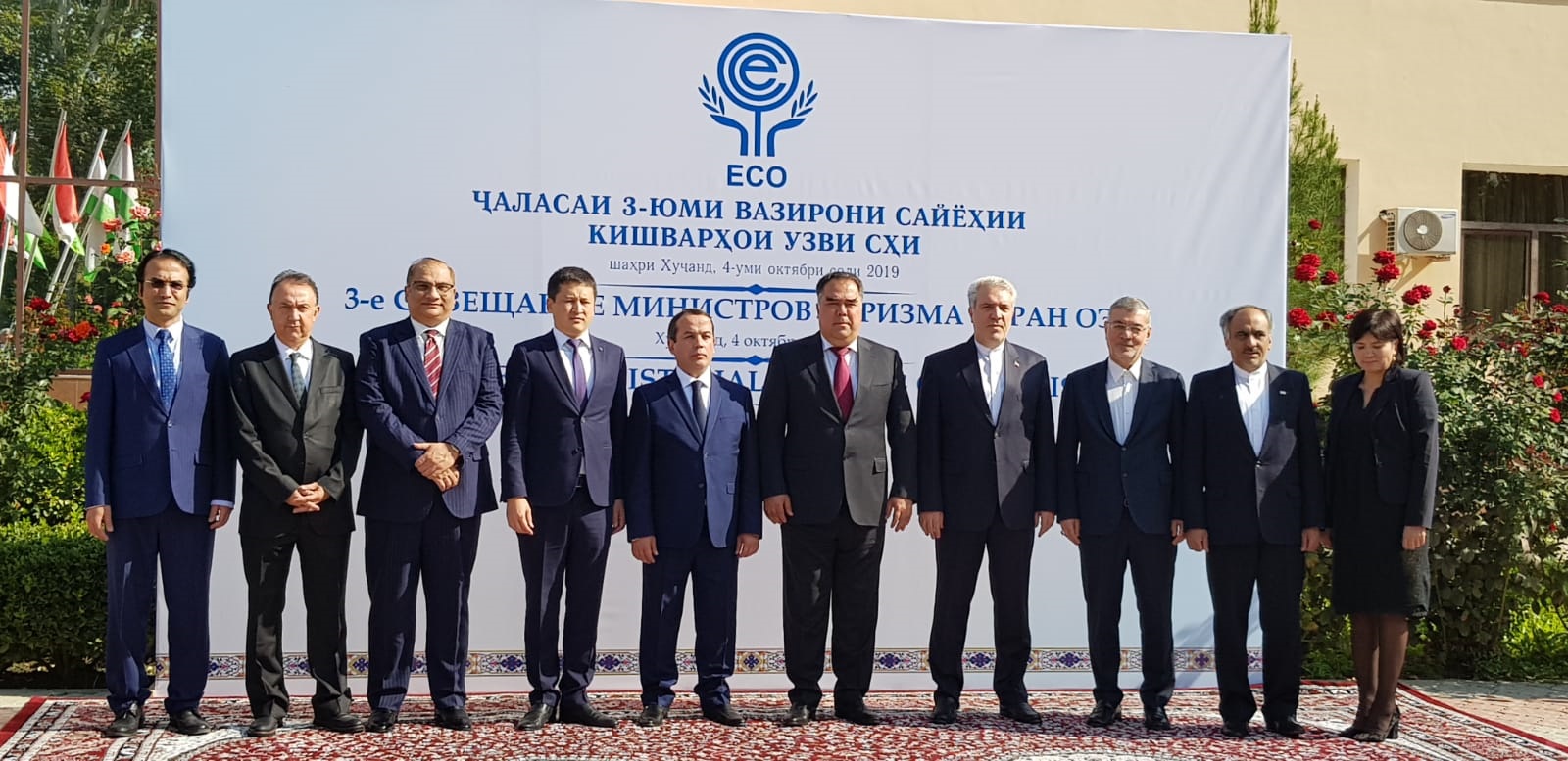
The 3rd ECO Ministerial Meeting on Tourism proceeded by the 5th High Level Experts Group (HLEG) on Tourism was held on 3-4 October, 2019, in Khujand, Tajikistan. The Meetings were hosted by the Committee of Tourism Development under the government of the Republic of Tajikistan. Delegations from the Islamic Republic of Iran, the Kyrgyz Republic, the Islamic Republic of Pakistan, the Republic of Tajikistan (Host), the Republic of Turkey and the Republic of Uzbekistan as well as the delegation of ECO Secretariat attended the Meetings.
The 3rd ECO Ministerial Meeting on Tourism proceeded by the 5th High Level Experts Group (HLEG) on Tourism was held on 3-4 October, 2019, in Khujand, Tajikistan. The Meetings were hosted by the Committee of Tourism Development under the government of the Republic of Tajikistan. Delegations from the Islamic Republic of Iran, the Kyrgyz Republic, the Islamic Republic of Pakistan, the Republic of Tajikistan (Host), the Republic of Turkey and the Republic of Uzbekistan as well as the delegation of ECO Secretariat attended the Meetings.
The Meeting was inaugurated by H.E. Mr. Rajabboy Ahmadzoda, the Governor of Sughd Province of the Republic of Tajikistan. In his inaugural statement, he highlighted the potentials and progress of the Republic of Tajikistan in Tourism Sector under the leadership of the H.E. President Emomali Rahmon. He accentuated the holding of experience/knowledge sharing events regularly for fruitful activities and mutual beneficial cooperation among the Member States in tourism sector.
H.E. Mr. Numon Abdughafforzoda, the Chairman of the Committee of Tourism Development of the Republic of Tajikistan was elected as Chairman of the 3rd ECO Ministerial Meeting on Tourism. He highlighted the achievement of the Republic of Tajikistan during the last few years in tourism sector through introducing new policies by their Government. Also he has stressed the holding of exhibitions, fairs, forums, and conferences, seminars with the participation of representatives of the private and public sectors in the ECO framework and emphasized on creation of special ECO-tourism investment chain between the Member States, attracting investment in the tourism infrastructure including roads, hotels and hostels etc,
In his opening statement ECO Secretary General, H.E. Dr. Hadi,‹ Soleimanpour, underscored the importance of tourism and sustainable development of tourism in the region. He underlined that the tourism industry has gained a very positive attention from the Member States and has become a priority development field for the coming decade. The Secretary General highlighted that the development of the tourism industry throughout the region needs intra regional international connectivity through all modes of the transportation in order to ensure comfortable, cheaper accessible and security travel in ECO Region. He also assured that the ECO Secretariat will extend every possible support to implement the decision of this Meeting
During the Meeting, the Ministers/Heads of delegates from the Member States delivered their statements/presentations.
Main decisions are as follows:
adoption of the ECO Principles for Sustainable Tourism Development in ECO Region
adoption of the ECO Tourism Plan of Action
Selecting the city of Dushanbe, Tajikistan as ECO Tourism Capital for the years 2020-2021 as well as the cities of Sari and Ardabil, Iran for the years 2022 and 2023 respectively.
The Khujand Declaration on Tourism Cooperation adopted and released.
The 2nd ECO Ministerial Meeting on Tourism and the 4th High Level Experts Group (HLEG) on Tourism was held on 22-23 October, 2009, in Antalya, Turkey. The meetings were hosted by the Ministry of Culture and Tourism of the Republic of Turkey. Delegations from the Islamic Republic of Afghanistan, the Republic of Azerbaijan, the Islamic Republic of Iran, the Republic of Kazakhstan, the Kyrgyz Republic, the Republic of Tajikistan and the Republic of Turkey attended the meetings. Main decisions are as follows:
To establish ECO Tourism Website
To functionalize the ECO Tourism Promotion Fund.
The ECO Tourism guidebook will be finalized for publishing within three months.
Member States are requested to extend training courses to Afghanistan for promotion and revival of its tourism.
The implementation of the Plan of Action on Tourism would be followed up by the ECO Secretariat.
The Antalya Declaration on Tourism Cooperation adopted and released.
The 1st ECO Ministerial on Tourism was held in Tehran on October 19- 20, 2008. It was hosted by Cultural Heritage, Handicrafts, and Tourism Organization of the Islamic Republic of Iran (ICHTO). The meeting was attended by the Islamic Republic of Afghanistan, the Republic of Azerbaijan, the Islamic Republic of Iran, the Islamic Republic of Pakistan, the Republic of Tajikistan, the Republic of Turkey and the Republic of Uzbekistan. The ECO Cultural Institute (ECI), as well as the United Nations Educational, Scientific and Cultural Organization (UNESCO) and the United Nations Industrial Organization (UNIDO) were also participated in the meeting.
The meeting reviewed cooperation among the member states in the tourism sector, discussed implementation of the Plan of Action on Tourism, and evolved a modality for the Establishment of ECO Tourism Promotion Fund.
The meeting declared November 28 which is ECO Day as the ECO Tourism Festival Day. The Islamic Republic of Iran announced its readiness to host the 1st ECO Tourism Festival Day in 2008 in Gilan. It also offered a cruiseship program and requested to member states to actively participate in the festival and related programs.
A Fund for tourism promotion in the region was agreed to be established. The representatives of Afghanistan, Azerbaijan, Iran and Turkey pledged to contribute to the fund as soon as it was set up.
The Islamic Republic of Afghanistan offered to host a working group meeting on the revival of the Silk Road. It would be in March 2009 symbolizing with Nourooz.
The meeting also reviewed the implementation of ECO Plan of Action on Tourism which was prepared and approved by the HLEG meetings. These were held in Tehran and Baku in December 2003 and June this year.
Publication of the ECO Tourism Guidebook was reviewed and Iran pledged to cover the cost of its printing.
Iran Cultural Heritage, Handicrafts and Tourism Organization arranged a trip to Shiraz for the participants. The delegates visited important cultural and historical sites. These included Takht-e- Jamshid and the tombs of Saadi and Hafiz.
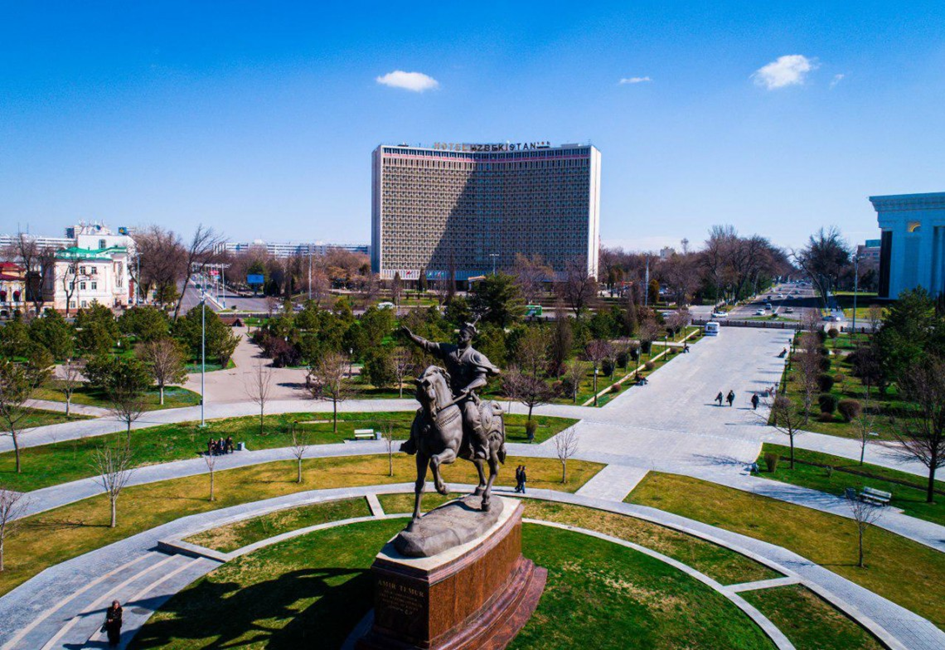
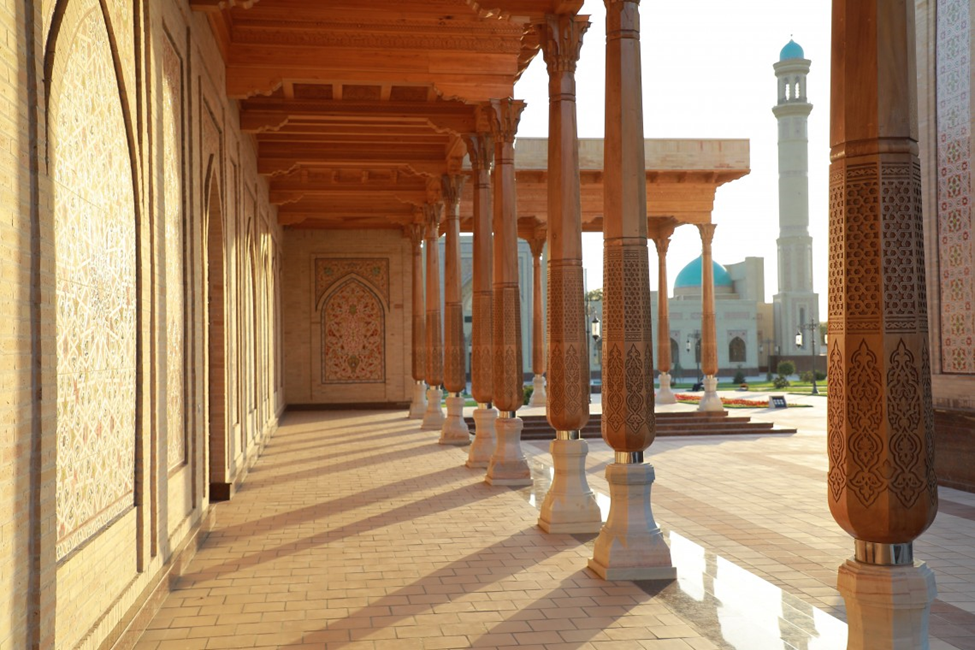
Uzbekistan is a country with an ancient history and rich culture. Uzbekistan can offer any tourist the journey of his dreams. In Uzbekistan architectural masterpieces of the centuries-old history of Uzbeks, incredible nature, harmoniously combining mountains, green valleys and hot deserts, countless festivals in every region of our country, gastronomic diversity and culinary delights, ethno-tourist villages can be found here!
Uzbekistan is a mysterious country of the East, where the history of cities gathered in legends, where the sun shines all year round and this reflects the unique nature and beautiful hearts of people. Today Uzbekistan is a country of new opportunities and discoveries for tourists from all over the world. The evidence can be seen by the following facts:
No restrictions on entry into Uzbekistan;
Visa-free regime for tourists from 91 countries and a simplified system for issuing an electronic visa for citizens of 57 countries.
Absence of a language barrier;
A huge number of hotels, boutique hotels, health centers, tourist areas of international level and other infrastructure facilities built for the convenience of tourists.
Located in the heart of the Central Asia, the Republic of Uzbekistan is famous for its numerous architectural monuments, incredible natural landscapes, magnificent palaces, and ruins of fortresses of past civilizations, outstanding cultural events, gastronomic delights and famous craft workshops. From the first visit, our country evokes extraordinary feelings that prompt us to come here repeatedly. The Republic of Uzbekistan includes 12 regions and the autonomous Republic of Karakalpakstan. Each corner of Uzbekistan attracts with its features. In Tashkent, you can take a walk in the most beautiful metro in the world or see the most ancient manuscript – the Koran of Usman. In the historical cities included in the UNESCO Cultural Heritage List – Samarkand, Bukhara, Shakhrisabz and Khiva, you can visit the most ancient architectural monuments that have preserved echoes of past eras. In the southernmost part of the country – Surkhandarya, you can travel through mountain gorges or see the ruins of the ancient cities near Termez.
There are an infinite number of ways to have fun and interesting time in the world: go on a trip or adventure, explore something, touch sacred places, see unique places untouched by civilization, improve health, have an active rest, experience extreme sports or just spend time in nature with family or friends, and all this is connected with tourism and the tourism industry in general. There are all three main types of tourism in Uzbekistan: inbound, outbound and domestic. Inbound and domestic tourism includes both basic and specific tourism products: excursions to tourist attractions; accommodation in hotels, recreation areas, resorts, sanatoriums, tourist villages, yurt camps, camping; tasting of national dishes and wines; participation in festivals and celebrations; comfortable travel around the country. All types of travel and recreation in Uzbekistan can be divided by types into sports, ethnic, youth, ecological, gastronomic, medical, cultural, MICE, pilgrimage, literary, winter, cycling and other types of tourism. Tourists arriving in Uzbekistan travel either alone, or with friends or family, or as part of a group tour with a guide, which will take travelers along a pre-planned route to interesting and exciting places, in accordance with their goals and planned travel budget.
Those who like to practice sport in the fresh air and away from the big cities are welcomed Uzbekistan. The sport tourism in Uzbekistan can be divided into Water tourism, Air tourism, Mountain tourism, Mountaineering and rock climbing, Hiking, Horse riding, Cycling. The mild climate allows you to practice most sports almost all year round. For classic winter sports, there are four well-equipped mountain resorts: Chimgan, Beldersay, Amirsoy and Yangiabad. Their number is growing.
Uzbekistan offers numerous opportunities for extreme sports due to its vast and diverse landscapes, although these sports are still new in the country. These include:
-extreme skiing, snowboard;
-motorcycle racing, rallying, motocross;
-skateboarding, mountain biking, rock climbing, canyoning and paragliding.
Do you need to relax and feel the harmony and balance on the camping? Visit one of the Uzbek villages. Uzbekistan offers a wide variety of ethnic tours. Here you can participate in the life of rural residents, live in a remote village or in the yurts, attend a local wedding or celebration of the baby birth, ride horses and camels, go on a safari through the colorful deserts and enjoy the unique exotic fauna of diverse Uzbekistan.
Living in a tourist village is a great opportunity to see rural life from the inside. Wake up with the sound of birds, enjoy the most natural breakfast, lie on the grass and admire the blue sky, see how to cook pilaf on the hearth, how to milk a cow and participate in the harvest, see how to make ceramics by hand or the world’s most beautiful silk using ancient technology. All these can be seen during the living in the tourist village. If you want to join the life and culture of the northern people of Uzbekistan and learn the centuries-old traditions and the way of life of local residents, choose yurt camps. What can be better for the suffering traveler than the active leisure in the nature, giving a lot of interesting impressions and emotions.
When planning a trip with friends, you should definitely pay attention to Uzbekistan, because it offers quite a few advantages for young people:
-Affordable prices
-Yurt camps and hostels
-24-hour pubs, bars and restaurants
-Cool electronic music festivals
-Extreme tours
-Ski resorts
-Security
When distributing their budget during the trip, the young tourists often try to save money, and it is real here.
You can come to the country both by plane and by international train, by bus or taxi, which will save a lot of money.
You can stay here either in an expensive hotel or in a cozy guesthouse or hostel.
After a long day of sightseeing, you can spend time in a bar or hookah for a small sum, eat pilaf in a teahouse or hang out with friends in a nightclub.
You can shop in one of the many shopping centers that offer the clothing from both the world brands and local manufacturers. By the way, speaking of shopping, we advise you to buy some Uzbek accessory for memory, whether it is a skullcap or a silk scarf.
Do you know that you can also come to Uzbekistan to visit a cool party with eminent DJs? The musical festivals, such as “Stikhiya”, are held in the country all year round, both in a noisy capital and in the desert on the shores of the dried Aral Sea.
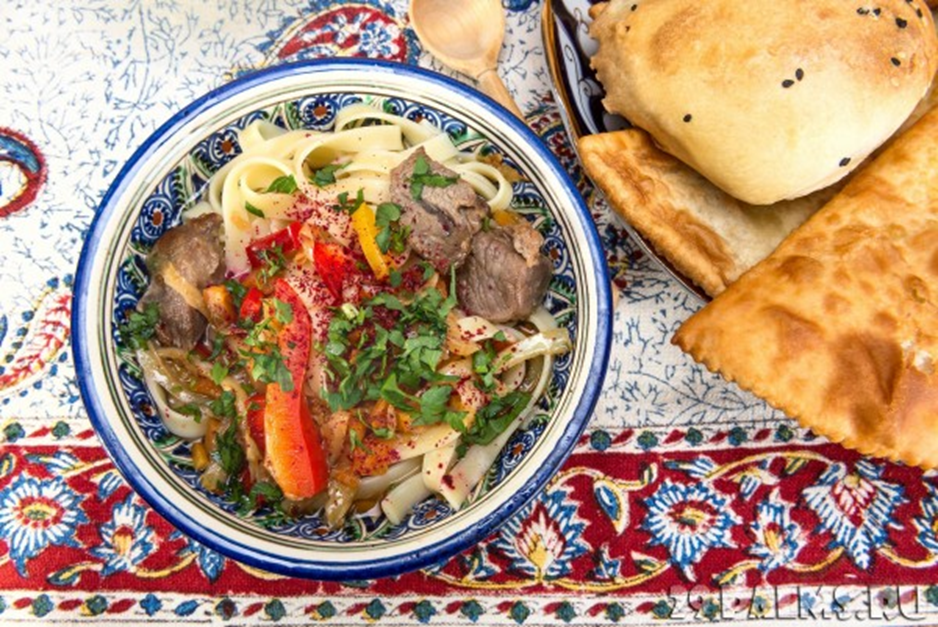
Gastronomy is one more reason to fall in love with Uzbekistan. Having arrived to our country, you can refuse any excursion, but you will never refuse food, especially here, where even at the airport the air is saturated with the smell of delicious dishes. Uzbek cuisine is one of the most colorful and richest in Central Asia. The centuries-old culinary traditions of the settled and nomadic peoples of the region are now collected in a single and understandable puzzle of delicious dishes of Uzbek cuisine. The gastronomic trip to Uzbekistan will give you an unforgettable taste experience for the whole year and you will certainly want to repeat it even at home.
It is no secret that Uzbekistan is attractive for its rich cultural and historical heritage, unique architecture and art. The ancient historical monuments of Tashkent, Samarkand, Bukhara, Shakhrisabz, Khiva, Urgench, Termez, Karakalpakstan are the main foundation of historical and educational tourism in Uzbekistan. Did you know that in our country there are more than 7000 objects of cultural heritage, many of which are on the UNESCO World Heritage List. The historical centers of Samarkand, Bukhara, Shakhrisabz and Khiva – this and much more is evidence of the huge potential of Uzbekistan in the arena of the global tourism market. A trip to the ancient cities of our country, attracting with its unique architecture, monuments of cultural heritage, old shops and artisan’s workshops, will undoubtedly leave a bright and unforgettable experience for every traveler. One of the best ways to get in touch with the centuries-old history of Uzbekistan and discover a new culture is to visit various museums located in all regions of the country. There are more than 400 different museums in our country, of which 155 are state-owned. Their main focus is – history, local history, fine and applied art, as well as memorial house-museums of prominent figures of culture and art. The most famous large and significant museums of the country are: The State Museum of the History of Uzbekistan, the State Museum of Arts of Uzbekistan, the State Museum of the History of Timurids, the State Museum of Applied Arts of Uzbekistan, the State Museum of Arts of the Republic of Karakalpakstan named after I.V. Savitsky, State Museum of Nature of Uzbekistan and others.
Uzbekistan is famous for its versatility and grandiosity of major holidays, festivals and exhibitions. Each event is unique. The main purpose for organizing cultural events is to unite the people, transmit true cultural values and create a global business platform. Every day is a holiday in Uzbekistan. With special trepidation, the people are waiting for March 21 – the personification of the Navroz – “New day” and the spring equinox. The incredible beauty of this holiday puts the hearts of guests in a state of euphoria. On this day, it is customary to cook sumalyak, halim, cook samsa, hold celebrations and treat guests. One of the most interesting, colorful and informative events in Uzbekistan are festivals. To fully understand the culture and traditions of the Uzbek people, we recommend visiting one of the upcoming festivals during your trip around the country. Our country hosts the most vivid and diverse exhibitions – from folk and applied art products and works of fine art to industrial goods. The exhibition is not just an event, it is also a platform for meetings of professionals of a narrow-specialized circle, search for new partners, exchange of experience and conclusion of contracts. One of the largest events in Uzbekistan is the Tashkent International Tourism Fair “Tourism on the Silk Road”, “Made in Uzbekistan”, “International Ziyarah Tourism Week”, “Food Week Uzbekistan”, “Welcome to Bustanlik”, festivals like “Boysun Bahori”, “Stikhiya” and others.
On the territory of Uzbekistan, there are many Holy places belonging to the Islamic culture and its current of Sufism, as well as other religions. The most valuable monuments are recognized as UNESCO World Heritage sites. Among them is the city of Bukhara, called in the Islamic world Bukhara-Sharif, which means Blessed Bukhara. The city of Samarkand, which has a huge number of priceless monuments. Shakhrisabz is the birthplace of Amir Temur. Of course, these cities have an ancient and rich history and have undergone significant changes throughout their lives.
Uzbekistan is a unique country. The famous treasury of cultural artifacts, many of which are protected by the UNESCO World Heritage, includes not only majestic monuments of architecture, nature and attractions, but also priceless manuscripts of great poets and philosophers. Many of these manuscripts are located in major religious centers, museums, library archives, and private collections. The literature of Uzbekistan is the richest part of Uzbek culture. It was based on the oral folk epic of the Turkic peoples. Ancient Turkic literature, starting from the first monuments of ancient Turkic writing, is an integral part of Uzbek literature, and part of the culture of all the Turkic peoples who inhabited this vast region. The famous legends of Alpomysh, Afrosiab, Siyavush and many other colorful examples of oral folk art were composed by local peoples from time immemorial and passed down from generation to generation to convey the full flavor and richness of the national culture.
Welcome to the country of magnificent architecture and ancient traditions preserved a unique heritage. Everyone who comes to this blessed land is welcome here! If you have visited Uzbekistan once, be sure, you will want to return back here again.
Top 5 Destinations in Uzbekistan
Tashkent – The modern metropolis
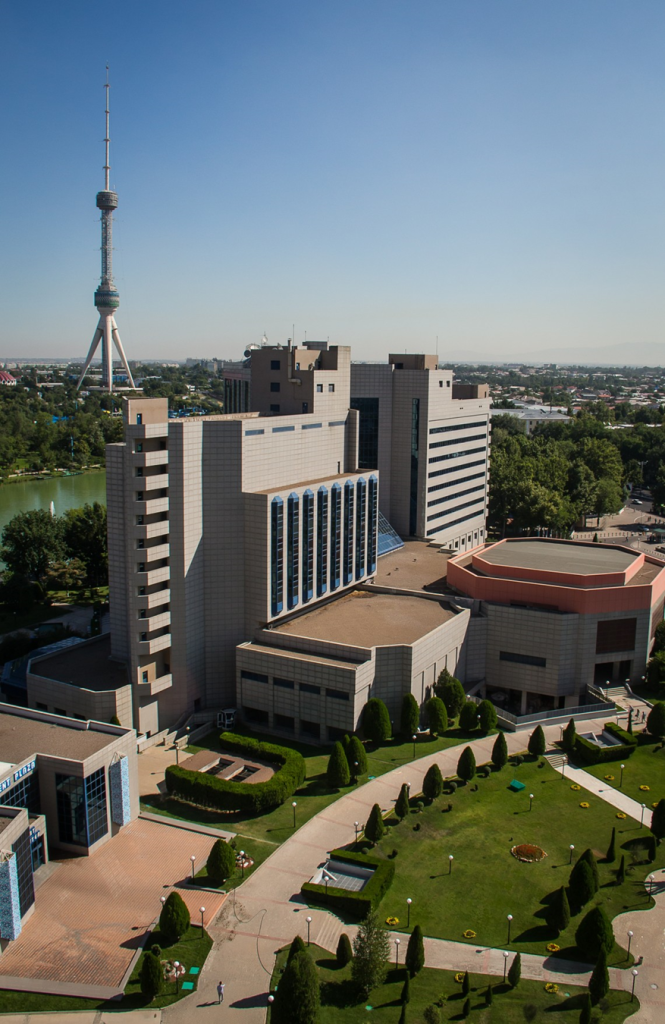
Tashkent is the capital of Uzbekistan and also the largest city in Central Asia.
For many years, Tashkent has been the most important business and cultural center of the country, attracting tourists and businessmen from various countries of the world.
Popular landmarks
Tashkent has a large list of attractions. It will take several days to visit all of them.
– Wide avenues, green alleys, fountains and eco-parks for leisurely walks;
– Unique artifacts about the history and culture of the peoples of Central Asia in the numerous museums of the city;
– Majestic architectural ensembles, mosques and minarets;
– Theaters and galleries for every taste.
Here everyone can create his or her own itinerary through the top attractions of the city!
Climate
Most of the summer in Tashkent is hot, so do not forget about sunscreen and hats! Winter is mostly mild and snowless, but do not neglect warm things, it is so cool in the evening that you want to wear a scarf!
Gifts and souvenirs
Walking along the streets of Tashkent, you can find many memorable things, ranging from small trinkets to huge memorable souvenirs. Most of the souvenir workshops are located in old madrassas and at Chorsu Bazaar. There you can find absolutely everything: crafts carved from wood, pottery, national clothes, and even knives and daggers forged in local forges.
Сuisine
Tashkent restaurants with their variety and the level of service can surprise any gourmet. In the city, you can find not only national cuisine, which in Tashkent differs in taste from the identical dishes in the other parts of the country, but also the best representatives of the foreign gastronomic industry. In Tashkent, you can try Uyghur, Korean, Chinese, Japanese, European and even molecular cuisine. However, the most delicious cuisine is naturally Uzbek! Do you know that in December 2016 pilaf was included in the UNESCO Intangible Heritage List? Now you know it! Come to see and taste the most delicious food in the world!
Photo zones
An integral part of every trip is photography! In this section, we introduce you the most beautiful places in this city, where you can make the best shots.
The Minor Mosque was built in 2014 and was immediately liked by all residents and guests of the capital. It is made of white marble and is located in a picturesque place.
The Khazrati Imam complex (popularly known as the Khast Imam) is one of main the sightseeing places of Tashkent. It was built about four centuries ago. Now many tourists come to appreciate the beauty of the architecture of this place every day.
The Sacred Heart of Jesus Cathedral is a Catholic church in Tashkent, also known in the city as the “Polish Catholic Church”. This is one of the few buildings of the Catholic Church in Uzbekistan. Each resident of Tashkent has at least one photo here.
The scientists concluded that the Turkic tribes who settled on this territory later borrowed the name, as “tash” in the Turkic languages also translated as stone. Due to its favorable location, the city was considered one of the main points on the Silk Road.
History
Nowadays, Tashkent is a modern metropolis and perfectly combines medieval buildings and modern business centres in its architecture. The city has all the conditions for a wonderful pastime. Here long-term history and modern lifestyle are merged. There are two airports, one is an international, second is a domestic and two railway stations in Tashkent. One of the main modern attractions of the city is the metro. It was opened in 1977 and was the first and the only in Central Asia. Each station has its own unique design and unique architecture.
In Tashkent, you can see historical monuments and modern mosques, stroll through the oriental bazaars, get acquainted with the thousand-year history and culture of the people in the capital’s museums, and, of course, relax in the parks, restaurants and nightlife of the city.
Samarkand – Crossroads of cultures
Samarkand can truly be called a unique city!
The greatest poets and philosophers of the world have given the city many names – the garden of the soul, the pearl of the east, the mirror of the world and even the face of the earth. However, they were not be able to describe the beauty and richness of this beautiful city.
Popular landmarks
The cultural heritage of Samarkand is quite large, for many centuries the city has been a key centre of the Great Silk Road.
At the beginning of the XXI century, the city was included in the UNESCO World Heritage List under the name “Samarkand – Crossroads of Cultures”.
Having visited the city, you will be surprised with the number of historical monuments located here. We will try to show you the most popular attractions, which are certainly worth seeing!
Climate
The climate of Samarkand has a pronounced seasonality. Winters are usually mild and temperature does not often fall below 0 ° C. Cold snap is very rare and mostly at night, so do not forget to take a warm sweater and scarf. Summer is very hot, so do not forget to bring a hat and sunglasses with you.
Gifts and souvenirs
Samarkand souvenir shops can make happy the fans of woodcrafts, textile and other materials. By tradition, most of the workshops are placed in the old madrassas and all crafts are handmade by local artisans. However, in Samarkand, in addition to the usual souvenirs, you can find several more features that you will not find in other regions of the country. First of all, we advise you to visit the Siab bazaar, which is located next to the Bibi Khanum Mosque, almost in the centre of the old part of Samarkand. This market is abundant of dried fruits, nuts and sweets. Among other things, Samarkand bread and halva can be distinguished. Also in Samarkand region, there is a paper mill called “Meros”. Its masters have kept the method of preparing paper from mulberry bark. This method originated in the X-XI century and was particularly durable. At this factory, you can buy unusual paper crafts, such as postcards, notebooks, masks, and even dresses, dolls and handbags.
Сuisine
In Samarkand, as well as in the most of our regions, the main dish is pilaf. This type of pilaf, like Bukhara, is not mixed during cooking, which gives the pilaf a peculiar diet. In fact, this diet is that everyone can choose how many carrots and meat to put him. In addition to pilaf, various kebabs, manti and especially the bread are popular! There are some legends about the Samarkand bread, as they can be stored for as long as you want, and they will not become tough and moldy. One of the legends says that one Emir of Bukhara was very fond of Samarkand bread so much that he constantly ordered to bring it to him. However, once, when he was tired of waiting for his order each time, he thought about how to start making them in Bukhara. “Probably need to bring flour from Samarkand,” he thought. Nevertheless, it did not work. “Then you need to bring the local water”. Again, they failed. “Probably, it’s necessary to bring Samarkand clay and make tandoor from it”. The result remained the same. “Maybe it’s the master? I need the master from Samarkand”. However, even the Samarkand master could not repeat this taste in Bukhara. After that, the Emir abandoned his attempts and continued to bring his favorite bread from Samarkand.
In the bazaars of Samarkand, you can also find a huge variety of fruits, vegetables and nuts for every taste.
Photo zones
An integral part of every trip is photography! In this section, we introduce you the most beautiful places in this city, where you can make the best shots.
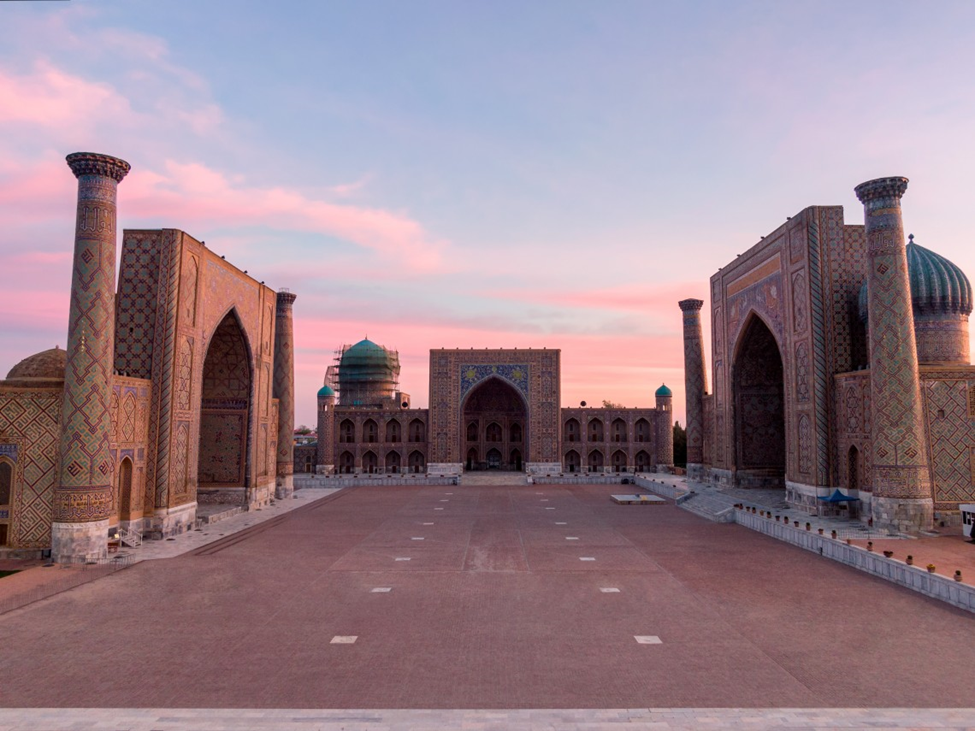
Registan is the main square and the most recognizable landmark of Samarkand. It includes three Madrasahs of Ulugbek, Sherdor and Tilla-Kari.
Gur-Emir – the mausoleum of Amir Timur (Tamerlane), his mentor Mir Sayyid Barak and some members of Temur’s family.
The Imam Bukhari International Centre is located next to the memorial complex and has a very beautiful territory. Do not miss the opportunity to make a couple of beautiful photos in the complex!
History
If you have seen Samarkand once in your life, it will forever fascinate you. Samarkand unites many various cultures located on its territory. Do you know that Samarkand is the same age as such ancient capitals of the world as Rome and Nanjing? Yes! The city was founded about 2,750 years ago, which gives it the right to be called one of the most ancient cities not only in Central Asia, but in the world as well. The peak of prosperity of the city falls on the reign of Amir Temur (Tamerlane) and his descendants.
At that time, Samarkand became the capital of his mighty empire.
There is a legend about how Temur has chosen his capital. In order to make a choice, he ordered the citizens to hang the Ram’s body on the entrance gates of all cities, and a month later he personally inspected the meat hanging on the gates. At all the gates, the carcasses decayed, and only at the gates of Samarkand, it was almost completely intact and even became wilted. Had seen this, Temur said: “This city has the cleanest air and healthy land. The capital will be here”! Tamerlane’s grandson, Mirzo Ulugbek, made this city the centre of world science. Samarkand was included in the List of “50 cities worth visiting in this life”.
Khiva – The capital of the Turkic world
Khiva is a beautiful oasis city with ancient walls, minarets and unique clay buildings.
Within the framework of the XI session of the Organization of Islamic Cooperation (OIC) in Baku, Khiva was declared as the Tourism Capital of the Islamic World in 2024!
Khiva is over 2500 years old. If you want to plunge into history and see the true beauty of the ancient East, then welcome to Khiva.
Popular landmarks
The ancient Khiva is included in the UNESCO World Heritage List. It means that all the attractions are protected by the worldwide organization.
What you can see in Khiva:
– Main fortress – Ichan-Kala, Kunya-Ark fortress, Dishan-Kala fortress;
– Ancient mosques and madrassas, minarets, mausoleums – there are more than 100 of them in Khiva;
– Palaces and residences of Khiva rulers;
– Ancient caravanserais and baths;
– State Puppet Theater and Avesta Museum.
Climate
The climate in Khiva is dry and similar to desert weather. Summer is hot, but windy, and in winter the temperature very often drops below 0 °C, so do not forget warm things! You will definitely need them!
Gifts and souvenirs
In Khiva, as well as in other cities of Uzbekistan, you can buy a wide variety of souvenirs. In addition, several interesting things can be bought only in the Khorezm region. For example, this is a handmade doll. On the territory of Khiva there is a puppet theater, which, according to conservative estimates, is about 2000 years old! Therefore, the manufacture of puppets for performances dates back centuries, but the love of puppet shows has not died out so far. One of the main advantages of the Khorezmians is the hats “Chugurma”, which have been made since the ancient times. It looks quite bulky and heavy, but in fact, it is quite light and comfortable. The hat is made in such a way that it creates a special microclimate and thereby saves from overheating in the summer and protects from cold in the winter. In the ancient times, such hats were very expensive. Their cost was equal to the cost of a camel and therefore only wealthy people could buy them. Now the price for it is much lower and fans of unusual hats definitely like it! On the territory of Khiva, you can purchase a variety of woodcrafts as well. Local artisans create everything from tiny chess pieces to staves and carved doors! Whatever sophisticated taste you have, local artisans will be able to satisfy you.
Сuisine
The recipes is changing from region to region and if you taste the same dish in different cities, you will be surprised how much the taste varies! Khorezm cuisine is one of the most unusual in Uzbekistan, because the natural conditions are quite difficult there. You can often find one unusual dish… It is called “tukhum-barak”, which literally translates as a boiled egg. What is unusual, you may ask? The finished dish resembles dumplings in shape, and its way of cooking is quite unusual. The dough is filled with raw eggs and very quickly thrown into the boiling water before it drains. It is said that this dish was prepared for the khans before their visits to the harems. In addition, the favorite dish of the local people is fish. It is no exaggeration to say that the fish is prepared incomparably and even if you do not like seafood, you will not be able to resist the local fish. One of the iconic dishes is Shivit Osh or Green Lagman (noodle). Locals use Shivit greens to make noodles green. It is served with katyk (sour milk) and meat in vegetable sauce.
Photo zones
An integral part of every trip is photography! In this section, we introduce you the most beautiful places in this city, where you can make the best shots.
It is impossible to make a bad photo on the territory of Ichan-Kala fortress. Everything around is literally saturated with the atmosphere of the past and walking along these streets, you feel the spirit of the time.
There are certain places where you can get special shots. One of such places is Juma (Friday) Mosque, built in the X century. Its distinctive feature is that it does not have an entrance and domes, the roof of the building is supported by 213 columns of different sizes, shapes and even made in different centuries.
Among the special places, one can also highlight the Kalta-Minor Minaret, which is located near the western gate of Ota-Darvoz. The minaret was supposed to be the highest in Central Asia but could not be completed.
History
Khiva is one of the oldest cities in Uzbekistan, founded 2500 years ago. Also within is Ichan, the only city where the castle is located, a real fortress dating back to the Middle Ages.
According to legend, the city appeared around the Heyvak well, which was dug by the order of Som, the son of Prophet Noah, mentioned in the Bible. During its long history, Khiva has experienced the rule of various dynasties of Khorezm rulers, but it has always been its capital since ancient times.
Everything seems unusual here – cuisine, people, speech, even architecture. Almost everything is preserved in its original form. The streets are paved with stone. Like chess pieces, minarets, the domes of the madrassas and the mosques can be seen everywhere. Even the modern buildings are inspired by the antiquity.
In 1990, the city was included in the UNESCO World Heritage List.
Bukhara – The Capital of Islamic Culture
Sacred Bukhara is one of the tourist gems of Uzbekistan. The historic city centre is included in the UNESCO World Heritage List. The age of the city exceeds 2500 years.
Let us say one thing. You will lose lots, if you not visit Bukhara.
Popular landmarks
If you want to plunge into the atmosphere of an ancient oriental tale, visit the top attractions of Bukhara.
Bukhara is:
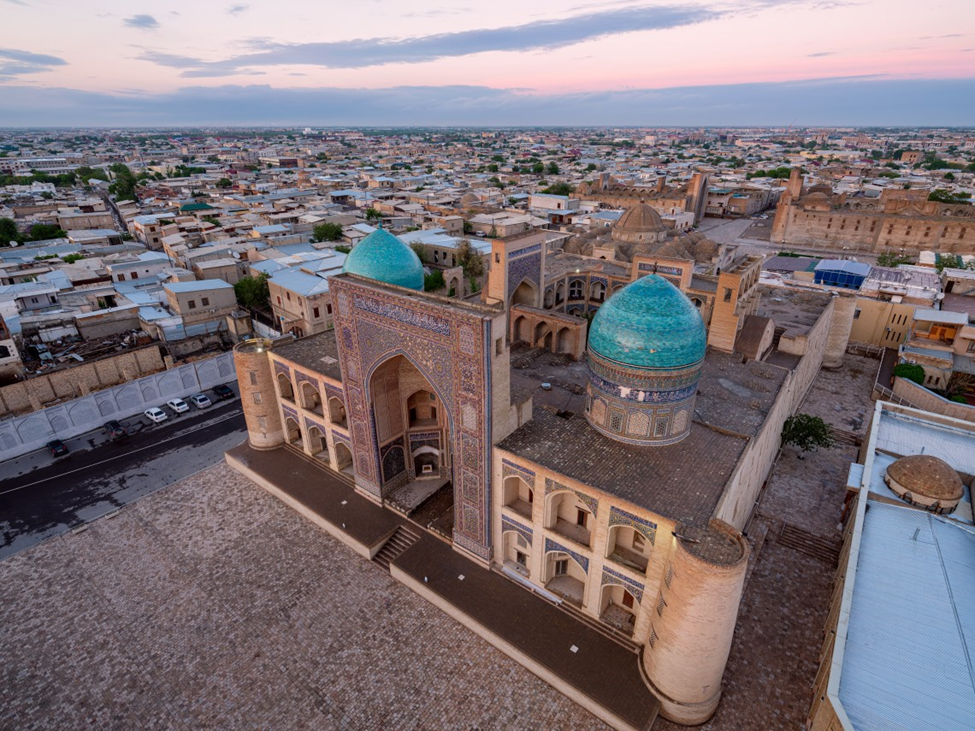
– Architectural Complex Poi-Kalon is recognized by the Shanghai Cooperation Organization as the “Eighth Miracle”
– Great minarets, mosques and madrassas;
– Ancient citadels, mausoleums and tombs;
– Centre of the Islamic East and many objects for pilgrimage; Ancient centres of trade and crafts.
Climate
The climate here can be described as hot and arid in the summer, so if you want to travel to Bukhara at this time of the year, be sure to bring an umbrella and sunscreen with you. Winters in Bukhara are rather mild, but warm things should not be neglected.
Gifts and souvenirs
On Bukhara streets, you can find many different souvenir shops and workshops. Sometimes it seems that all souvenirs are the same, but this is not true! Each seller have something to surprise you! Bukhara is the weaving capital of Uzbekistan! If you want to purchase stylish and modern wardrobe elements with the national elements, you should visit Bukhara! Most of the shops are located along Lyabi-Hauz Square and in the shopping domes, which are located next to the famous Poi-Kalyan Ensemble. In addition to the clothes, you can buy ikat fabric. Armani trading house have used such this fabric in its collection. It is, of course, not cheap, but its price is fully justified. Bukhara is also famous for its carpets. The quality of the carpets is not inferior to the Indian, Pakistani and Iranian, and sometimes even surpass! For exotic lovers, Bukhara can offer musical instruments that are made on its territory with special skill or handmade knives.
Сuisine
The main dish of all cities of Uzbekistan is pilaf. Traveling across the regions of the country, you will be surprised how many different types of this dish is being prepared. In every city, people are convinced that pilaf of their region is the best in the country! Only having tasted it in all regions, you are able to understand which one is the best for you. Osh-Sophie is considered dietary because of the cooking method. It is being prepared in a peculiar way; it is not mixed, unlike in Andijan or Tashkent. Another feature is that it is cooked only in a copper cauldron. Bukhara dishes also include khalis or kaish.
Photo zones
An integral part of every trip is photography! In this section, we introduce you the most beautiful places in this city, where you can make the best shots.
“Ark” is an ancient citadel, which was destroyed and rebuilt many times over its thousand-year history and every time it became better and stronger. Now you can personally enjoy its greatness and capture it!
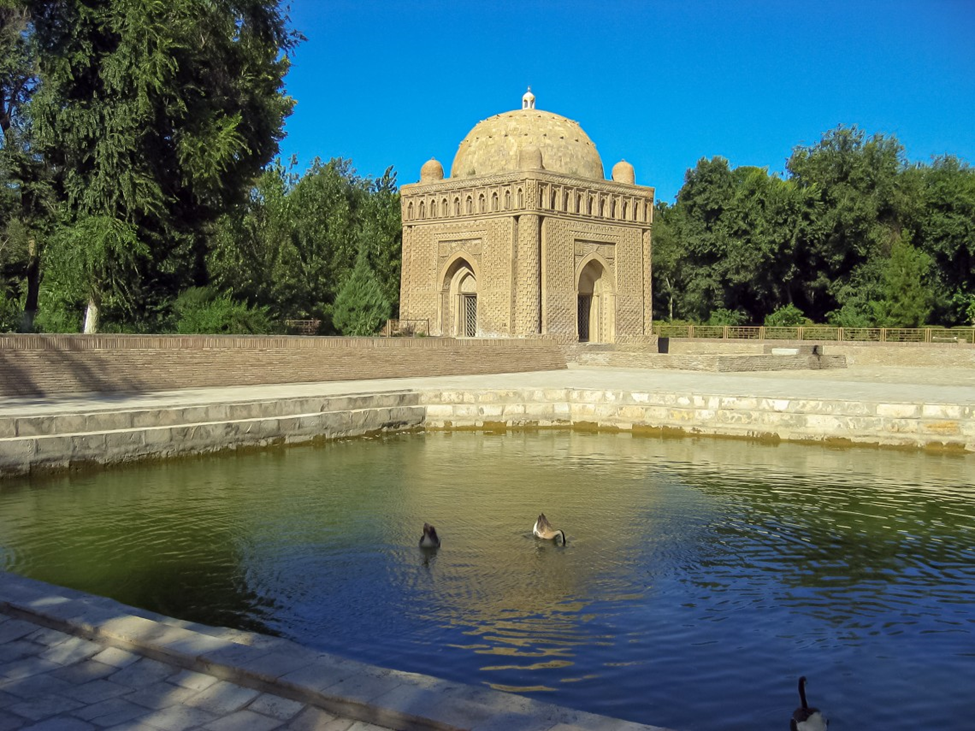
Samanids Mausoleum is located in the historical part of Bukhara. It is a prominent representative of the Islamic architecture of Central Asia. Ismail Samani, the second Emir of the Samanid State, built it.
Khalifa Niyazkul Madrasah, also known as Chor-Minor, was opened in 1807. Due to its unusual appearance, both residents and guests love it.
History
This majestic city, according to the most conservative estimates, is more than 2500 years old and there are many ancient mosques, madrassas and tombs of the Islamic saints on its territory. Throughout the history, people have said that graceful light descends from heaven to all Muslim cities, but only above Bukhara this light will rise to heaven. Bukhara is the only city in Central Asia whose history was almost completely documented by the famous historian of the X century – Narshakhi. In his writings, he said that no city had as many names as Bukhara. In China in the V century, it was called Nyumi, during the Tang Empire, it was called An, Ansi, Buho and Buhe. However, most often in history it is mentioned as Bukhara. According to the etymologists, this name comes from the Sogdian “bukharak”, which translates as “happy place”. Now on the territory of Bukhara there are more than 140 monuments belonging to the different eras, quarters and even entire areas, erected more than one century ago, have been preserved. Bukhara is also called the city of poetry and fairy tales, as the whole old city is full of legends and stories! By the way, the historical part of the city was included in the UNESCO World Heritage List in 1993.
Shakhrisabz – Homeland of Amir Temur
Shahrisabz is one of the ancient and beautiful cities of Uzbekistan. Its historical centre is included in the UNESCO World Heritage List. The great commander Amir Temur was born in this city.
The city with its green trees and flowers rightfully got its name “Green City”.
Popular landmarks
What to see in Shahrisabz?
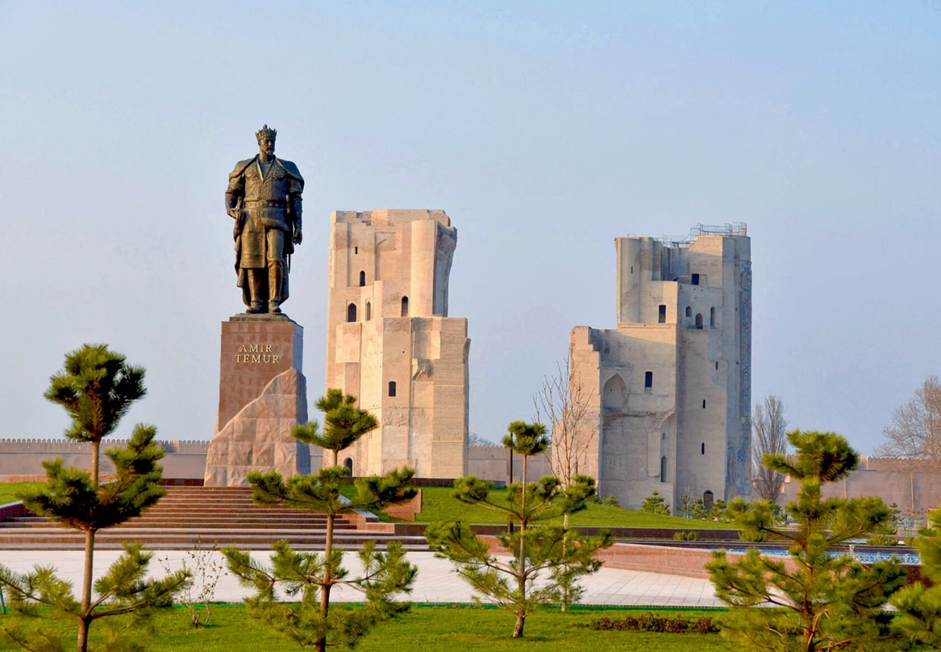
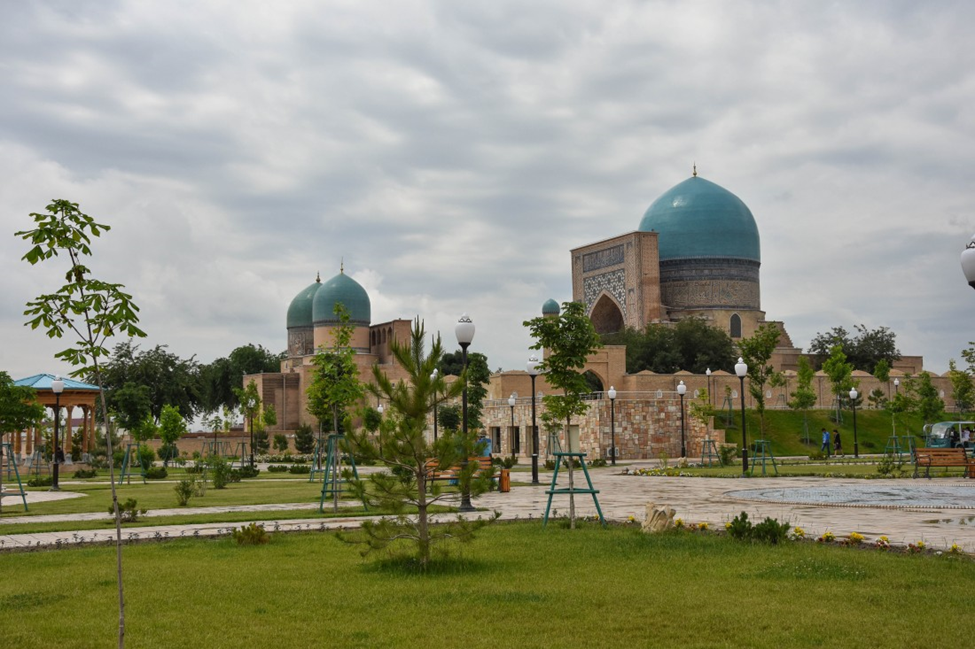
Arriving to Shahrisabz, you should definitely see the ruins of the ancient Ak-Saray Palace, the Kok-Gumbaz mosque, the Dor-ut Tilovat memorial complex, and the mausoleums of Dor-us Saodat, Shamsad-Din Kulala, Gumbazi-Seyidan.
Interesting fact
The main highway – the large Uzbek highway, repeating the route of the great Italian traveler Marco Polo, passes through Shakhrisabz.
Climate
The climate in Shakhrisabs is almost the same as in Samarkand. It also has a pronounced seasonality. Winter is mild and not cold, but it is better to have a woolen sweater in your luggage, because it is cool at night. Summer is usually very hot. Sometimes the daytime temperature lasts until midnight.
Gifts and souvenirs
Walking in the centre of Shakhrisabz, you can see many souvenir shops located in the old madrassas or just along the road. Masters are ready to offer a huge variety of crafts, such as clay figures of good-natured grandfathers with watermelons, carved caskets and many fabrics. The magnets depicting the city, which can be found everywhere, dominate most of this. In addition to the usual clay and ceramics products, there are works made of wood, paper, leather and even marble.
Сuisine
Having visited Shakhrisabz, do not forget to taste the local cuisine! The tandoor-kebab takes the second place in the list of the most delicious dishes after pilaf. Historically, the best tandoor-kebab is cooked in the Kashkadarya region! This dish came to us from the ancient times, when most of the inhabitants of Central Asia were nomads. Because people were constantly on the road, the cooks had to invent the new, faster and more convenient ways of cooking. Then a special method was invented for the preparation of tandoor-kebab. First, a hole is dug in the ground with a depth of not more than 1 meter and the same diameter. Then the firewood is put there. While the wood burns to the coals, the cook cuts the lamb into large pieces and flavour them with salt and special spices. Further, the meat pieces are sticked on skewers and are lowered into the hot pit. A plate made of felt is placed on top of the pit and sprinkled with a thick layer of ground. The main feature of this cooking method is the juniper branches, which are placed in the hearth for aroma and added as spices. You will not confuse this delicious taste with anything! Having tasted it once, you will never forget it!
Photo zones
An integral part of every trip is photography! In this section, we introduce you the most beautiful places in this city, where you can make the best shots.
The endless nature of the Shakhrisabz region will not leave you cold! Be sure to make some photos shoot!
A park on the site of Ak-Saray Palace can be a great place for a walk, since there are many green and beautiful places where you can sit, relax and, of course, take some pictures!
The Kunduzak mosque. It was built in the 19th century and is located not far from the Darut-Tilavat Madrasah. After a recent reconstruction, it looks like new and attracts lovers of beautiful photographs.
History
The city is 80 km from Samarkand. Shakhrisabz is translated as “Green City” and is one of the most ancient cities of Uzbekistan.
Shakhrisabz is known throughout the world as the birthplace of the great commander Amir Temur (Tamerlane). Under his leadership, the city became a real centre of science and art.
You can find many architectural attractions in the city. The historical centre of the city is included in the UNESCO World Heritage List.
The Government of Uzbekistan is actively introducing the concept of “Shakhrisabz – the city of festivals”, which reveals the huge potential of the city as a centre of culture and tourism. So, on the initiative of the President of Uzbekistan Shavkat Mirziyoyev, in September 2018, the International Folk Art Festival was held in Shakhrisabz for the first time. The festival is going to be held in the city every two years.
Turkmenistan is a country in South-Central Asia with a population of about 5 million, and an area around half a million square kilometres, or almost the size of Spain.
Neighbouring countries are Iran and Afghanistan to the South, and Uzbekistan and Kazakhstan to the North. It is across from Azerbaijan via the Caspian Sea but is otherwise landlocked. Nearly 80% of the country is considered part of the Karakum Desert.
The traditional life of the Turkmen is that of nomadic shepherds, though some have been settled in towns for centuries. The country is known for its fine carpets (one is even featured in its flag) and horses.
Turkmenistan is a country with large potential for an expanded tourism industry. Many of its Central Asian cities were main points of trade on the Silk Road, linking Eastern and Western civilizations.
There are three World Heritage Sites in Turkmenistan, namely the cities of Merv, Nisa and Kunya-Urgench. The latter two were ancient capitals of Parthia and Khorezm respectively, while the former was a major Silk Road post.
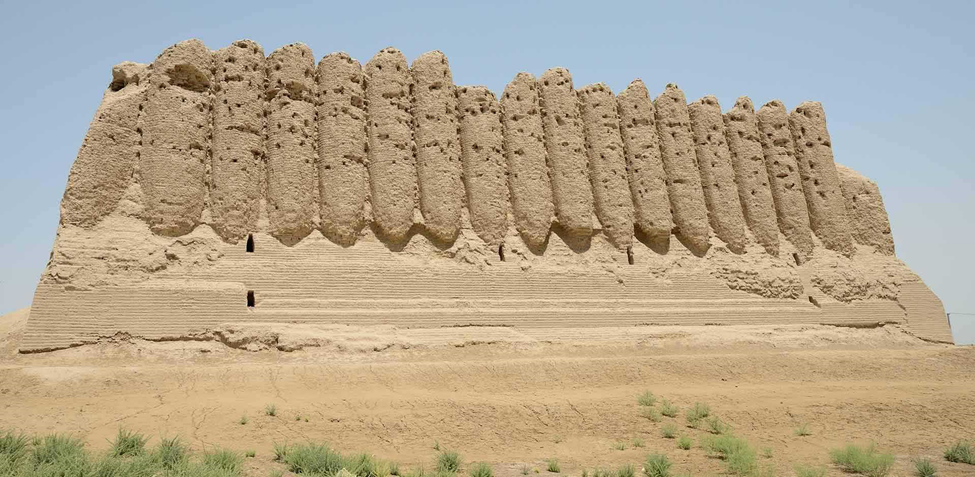
Merv, formerly an Achaemenid Satrapy of Margiana, and later Alexandria and Antiochia in Margiana, was a major oasis-city in Central Asia, on the historical Silk Road, located near today’s Mary.
Several cities have existed on this site, which is significant for the interchange of culture and politics at a site of major strategic value. It is claimed that Merv was briefly the largest city in the world in the 12th century. Nisa (also Parthaunisa) was an ancient city, located near modern-day Bagyr, a neighbourhood in Ashgabat 18 km southwest of downtown.
Nisa is described by some as one of the first capitals of the Parthians. It is traditionally assumed to have been founded by Arsaces I (reigned c. 250 BC-211 BC), and was reputedly the royal necropolis of the Parthian kings, although it has not been established that the fortress at Nisa was either a royal residence or a mausoleum.
Konye-Urgench is a municipality of about 30,000 inhabitants in north-eastern Turkmenistan, just south out the border with Uzbekistan. It is the site of the ancient town of Ürgenç, which contains the unexcavated ruins of the 12th-century capital of Khwarezm. Since 2005, the ruins of Old Urgench have been protected by UNESCO as a World Heritage Site.
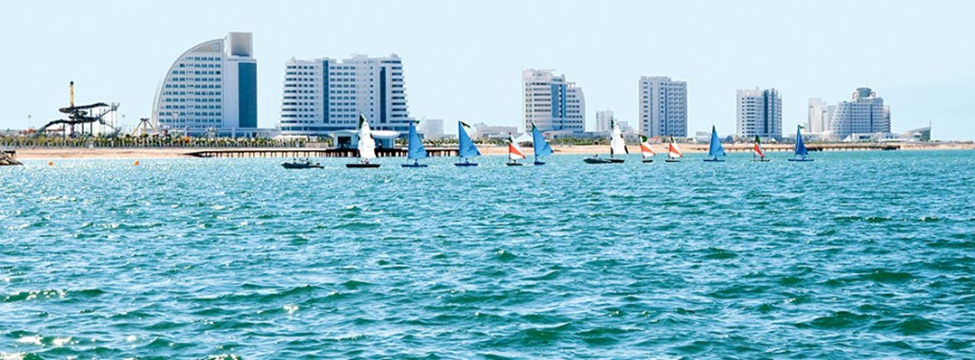
The Caspian Sea coast of Turkmenistan is the site of a number of popular sea resorts, including the Awaza National Resort Zone. In June 2009, the opening ceremony of the first facilities of the Avaza National Tourist Zone took place on the Caspian coast.
The “Avaza” project initiated by President of Turkmenistan occupies a special place in the strategic plans of the country over the next decade and, therefore, is dedicated to accumulate all of the most advanced achievements of world architecture, engineering, technical design and creative ideas.
Year after year, all new facilities supplement the infrastructure of a modern international class seaside resort. It offers high-quality hotels, children’s health resorts, cottage villages, health and recreation centers. Particular attention was paid to the creation of a fullscale recreation and entertainment complex – the construction of a water park, yacht and sports clubs, restaurants, campgrounds, all sorts of attractions, shopping centers.
Badkhyz Reserve
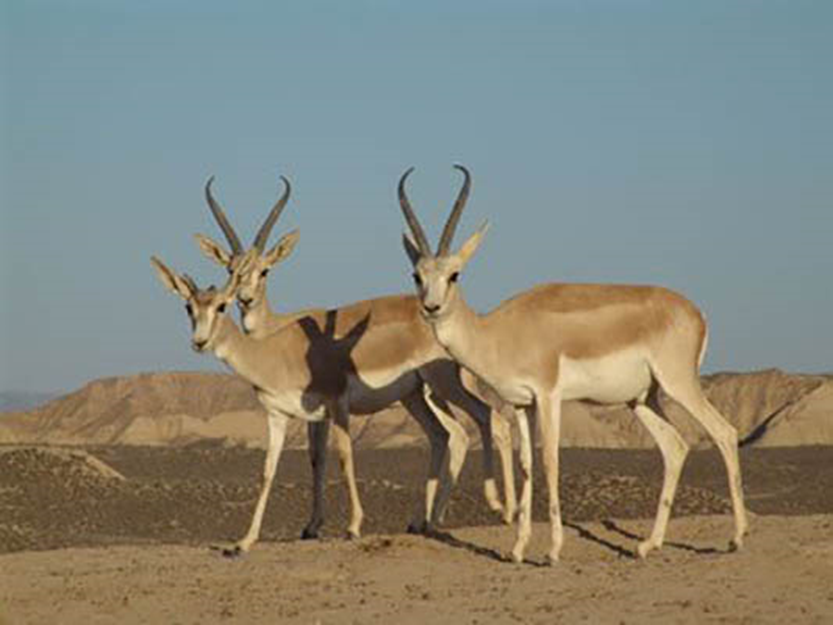
Badkhyz Reserve is located in Mary velayat in the south of Turkmenistan. The area of the reserve is 877 square km. It was created in 1941 to protect the ecosystems of the Badkhyz plateau between the Kushka and Tejen rivers. Average annual rainfall is about 280 mm, with a maximum of 420 mm and a minimum of 130 mm. Short spring gives way to long hot summer.
The Badkhyz Reserve is rich in a unique natural complex that has no equal on the territory of Central Asia. Badkhyz Reserve has attracted the attention of scientists since early times, because of which it was explored by geographers, soil scientists, botanists and zoologists.
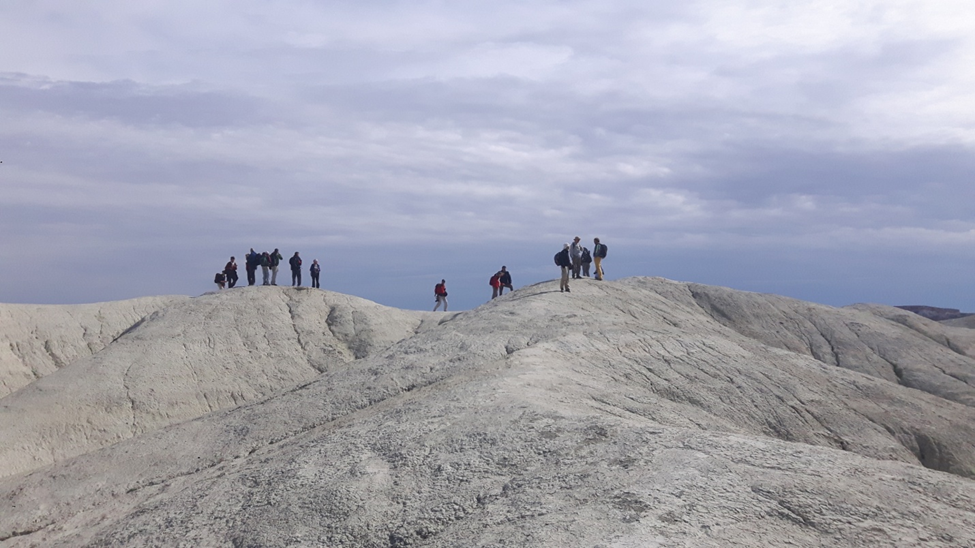
Some consider Badkhyz a desert, which is not true, and at the same time, it cannot be called a steppe. Badkhyz Nature Reserve is a semi-desert with hills. The Karakum Desert adjoins the Badkhyz Reserve from the north. Moreover, the hills are located in the eastern part of the reserve, located singly and in groups. The height of the hills ranges from 20 to 200 meters. In the north, the hills turn into the Duzenkyr and Ellibir uplands, in the south-west it reaches up to 800 m above sea level, and becomes mountainous.
The huge drainless depression Yeroylanduz is an interesting part of the reserve. The depression is 20 km long from east to west and approximately 10 km wide. The depth of this basin with a salt lake reaches 500 m. Also in the south of the Badkhyz reserve, in addition to the Yeroylanduz depression, there are other, small-sized depressions – Kagazly, Tekeduz, Nemeksar.
The Gyzyljar tract is located at the eastern borders of the reserve; it is a very deep and wide ravine, the length of which reaches 18 km. The edges of the ravine have steep and sheer slopes with ledges, as well as large rubble-sand dumps. The height of these steep walls reaches several tens of meters.
Boyadag
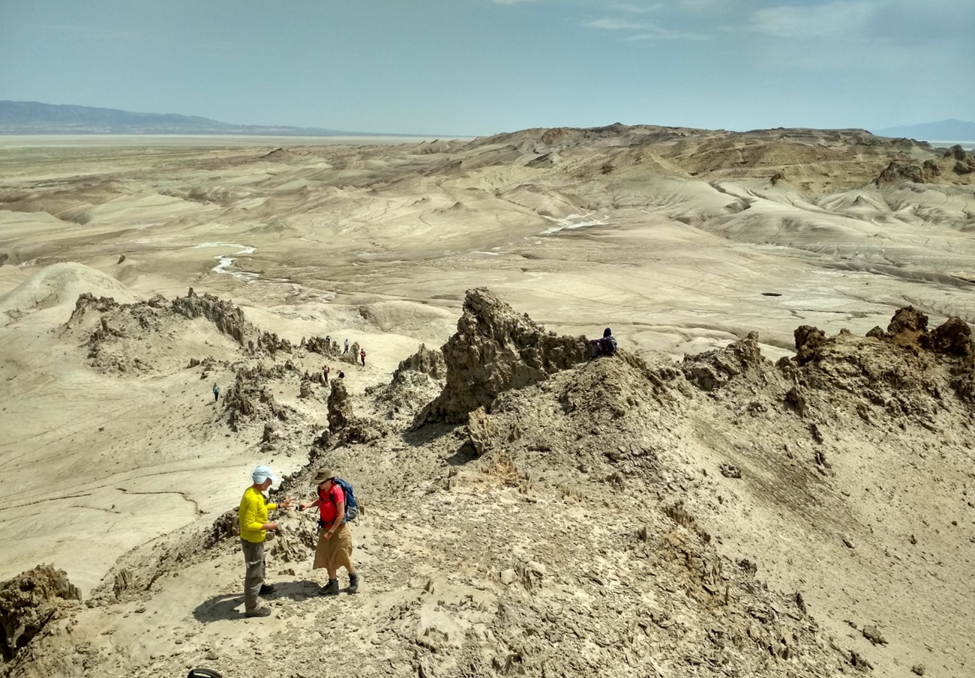
In the west of Turkmenistan there are about 30 mud volcanoes. They are of various forms and exteriors. Periodically they throw up a mixture of mud masses, gases, waters and oil on the surface.
The most ancient is the Boyadag mud volcano.
Boyadag is a mountain of colors. It is impossible to pass by such beauty, which nature has endowed this place with. For many tens of kilometers, one can see the pillar – like peak of this mountain – Karaburun – a stock of petrified breccia, which has frozen with all its mass in the volcano’s mouth. Tha salk-soaked, bitumen-impregnated breccia turned out to be stronger than the material of the cone, which collapsed, and the petrified vent with a height of over 40m remained a majestic monument to the grandiose eruptions of a large volcano. In the chain of volcanoes, it is one of the largest, which has functioned for almost five million years. Currently Boyadag is a highly dissected upland.
The slopes of Boyadag are painted in thick red-brown tones with unusually bright colors.
Kopegdag
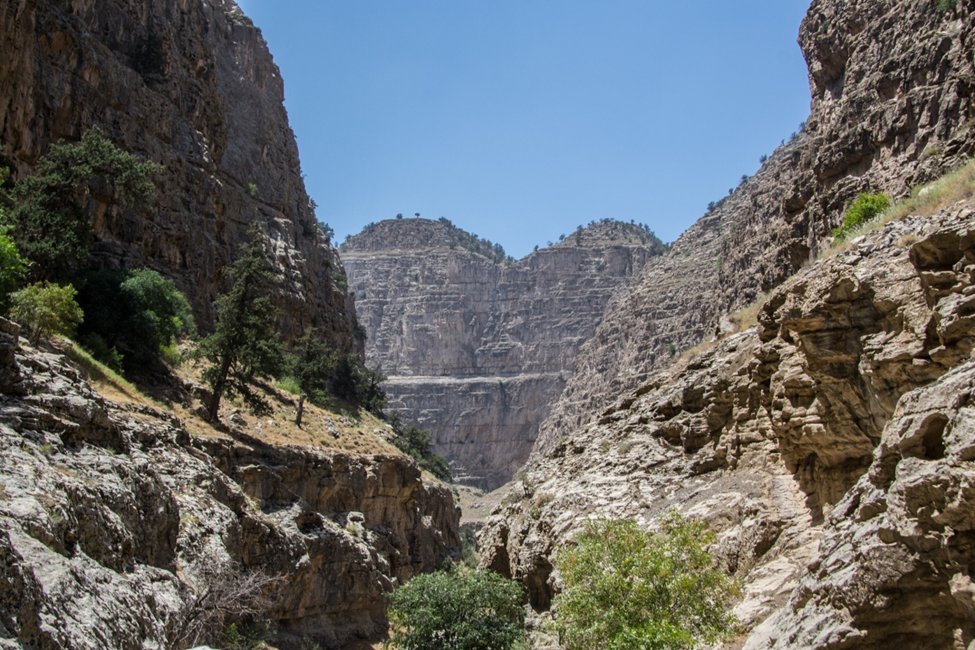
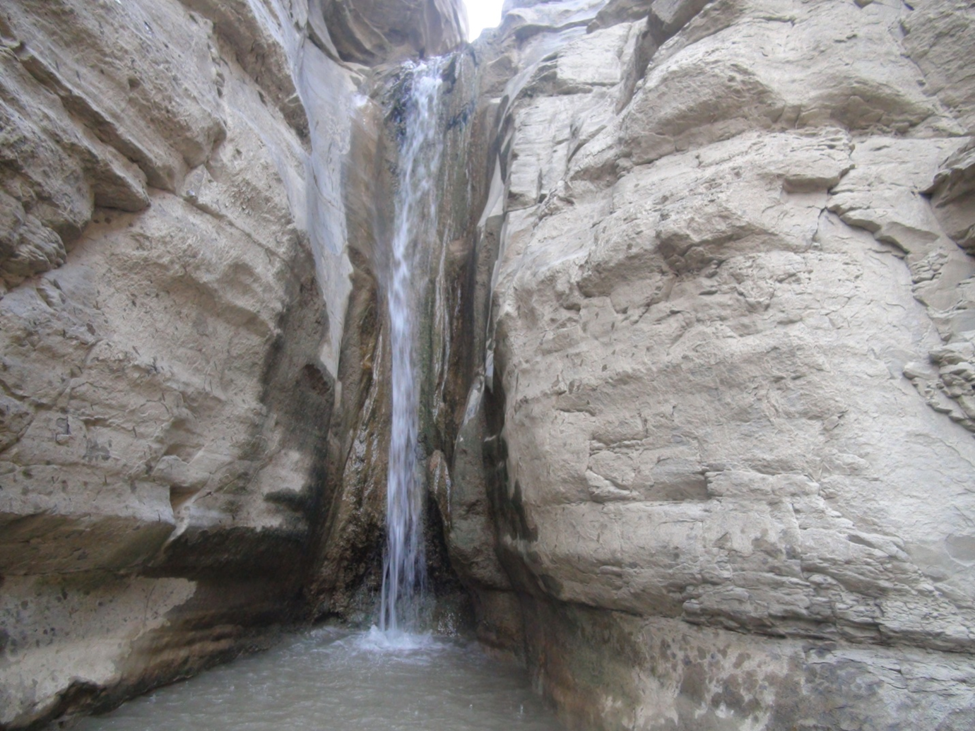
Not far from the plateau of the Dinosaurs (Khodjapil tracts) there is a beautiful and amazing gorge Umbar Dere with a waterfall of 27 meter high. The gorge in the mountains og Koitendag, Turkmenistan (in translation from Turkmen “impassable mountains”).
When the snow melts and the spring waters calm down, you can take walk to the Umbar waterfall. It should be visited until September, as in September the waterfall dries up. It takes a walk through the valley between the two mountain ranges to get to the narrow gorge Umbar Dere.
Kow Ata
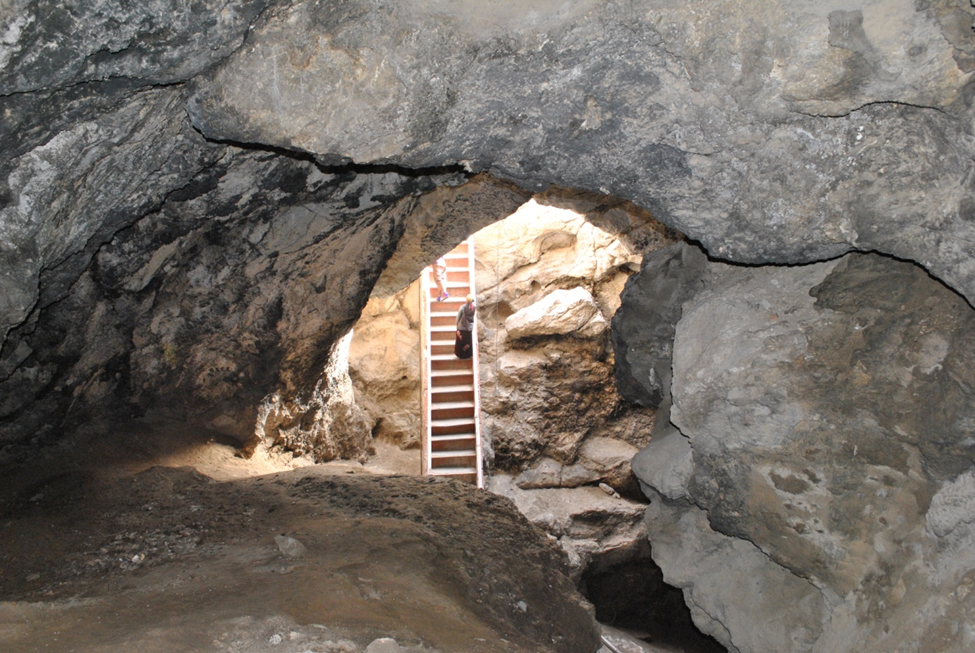
Welcome to the sulphurous subterranean world of Kow Ata underground lake. Here is the place that you could never come across elsewhere in Central Asia. It is a brilliant opportunity to rest for a while on the way to the Balkanabat from the Ashgabat. The cave is only 60 km far from Ashgabat.The lake is 65 meter inside of the well-known Bakharden cave. Its fame is connected rather with the healing properties of water, than the beauty of this underground nature.
The therapeutic water of the Kowata underground lake includes 38 elements such as iodine, magnesium, iron, bromine, potassium, sodium, sulphate, and others. The lake depth varies from 8 to 14m. Swimming in Kowata underground lake is highly recommended for stricken people to improve blood circulation, help control rheumatism, skin disorder and kidney diseases, and ease the nervous system. The water is naturally heated to about 36°C and recommended swimming time is nearly 20 minutes due to the sulphur.
Moon Mountains
For many years, tourism enterprises of Turkmenistan have been offering travelers to include in the program of visiting the tourist route “Journey to the moon mountains”. For those who are in Turkmenistan for the first time, an unforgettable trip will be a visit to the Turkmen subtropics – the Makhtumkuli etrap (formerly Karakala) of the Balkan region. You will see that this is one of the few places in the world that gives a fantastic feeling of unreality. Travelers are simply breathtaking from what they have seen. You will see real “Moon mountains”, vast landscapes in this part of the Western Turkmenistan seems to have descended from the canvases of the most daring surrealist artists. A traveler can really it seems that he somehow miraculously ended up on the Moon or another celestial planet – the surrounding landscape is so unusual and diverse.
The mountains are multicolored majolica – blue, gray, brown, green, while devoid of any vegetation, truly this is a moon landscape that nature began to form millions of years ago. These mountains have rounded, swollen shapes, small in size, with a height of one to eight meters.
Nokhur
Nokhur is a village in the Akhal velayat of Turkmenistan. Located in the west of the Kopetdag ridge, in the mountains, at an altitude of 1000-1100 meters above sea level. Moreover, it is the first place you must see if you are interested in places isolated from the modern life. The village of Nokhur was included in the list of “100 most romantic places in the world”.
According to legend, the name Nokhur comes from the name of the prophet Noah, whose ark, after a forty-day voyage, moored to Mount Manoman. The local old-timers tell a legend explaining the richness of the flora and fauna of Nokhur. It is believed that in time immemorial, Noah released all animals and birds in these mountains and planted all the seeds that were stored on the ark.
Nokhur mountain tribe, who have preserved their culture, traditional crafts and architecture, inhabit the village of Nokhur. The villages of Old and New Nokhur on a mountain plateau are two-storey houses of original architecture, laid out on the slopes of mountain stone, among vineyards, almond and pomegranate trees. Highlanders cultivate vegetable gardens and orchards in hard-to-reach places, narrow gorges and on mountaintops, at an altitude of 1600-1800 meters above sea level.
Karakum
The Karakum is a sand desert stretching for 350.000 km2 from the Caspian Sea to Pamir foothills and from Amu Darya to Kopetdag ridge. Its name is translated as “black sands” (“kara” – black, “kum” – sand). The desert corresponds to its gloomy name, because some of its parts were previously completely waterless for hundreds of kilometers, and anyone who tried to cross it, found a terrible death under the scorching sun of Asia.
The Karakum climet is very severe. Summer temperature can reach +50oC, while the soil can run hot as high as +80oC. Winter features strong frosts up to -30oC. Rainfall is very scanty, and precipitates mainly in November and April.
Yangikala Canyons
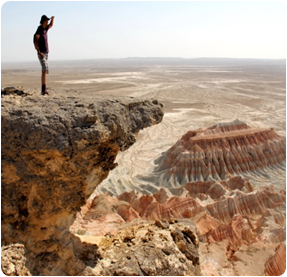
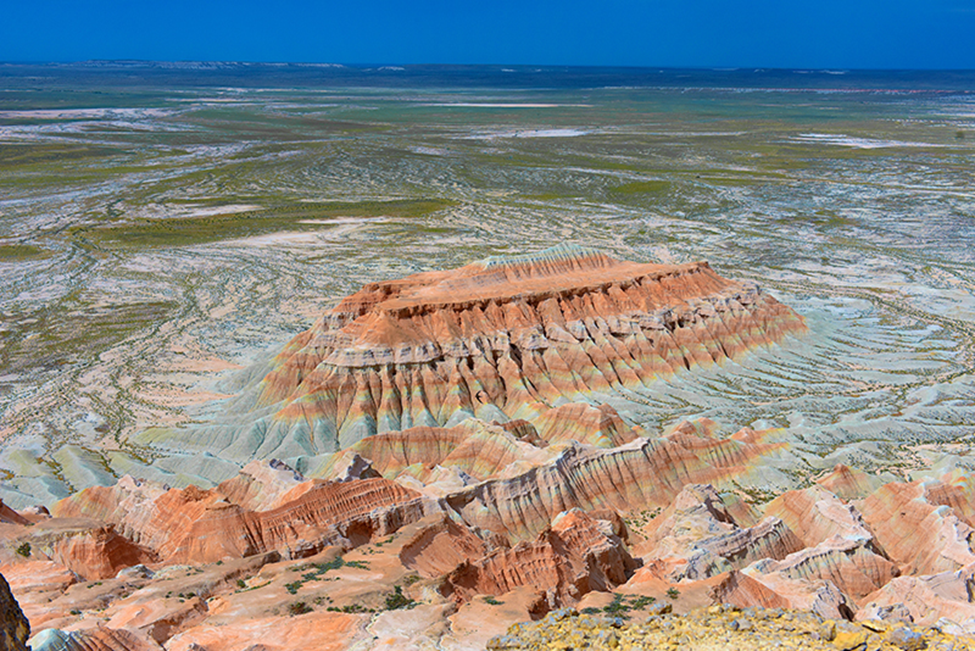
Amazing natural sites – Yangikala Canyons are located in the North-West of Turkmenistan in the Balkan velayat (region). Among the Turkmens Yangi-kala is known as fiery fortresses. The canyons got this name because of the predominant red color of the rocks, which are composed of mountains and cliffs. There are similar mountains in Xinjiang, China and they are also called “fiery (flaming) mountains”.
The canyons are incredibly stunning. Leaving Balkanabat through a lifeless flat desert, you suddenly find yourself at steep cliffs, going hundreds of meters deep. Once upon a time, the waters of the ancient sea splashed here (and now from many points one can see the waters of the Karabagazkol, which was formerly part of the Caspian Sea). The sea has left, revealing steep shores and huge hills. Waves, wind and rains have created quaint castles, towers, walls here. The colors of the rocks, from pure white to fiery red, create a magical beauty. And the mountains change its colors right away depending on the time of a day and lighting. And they are extremely beautiful at sunset, when everything is surrounded by fiery tones.
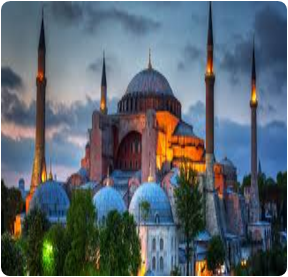
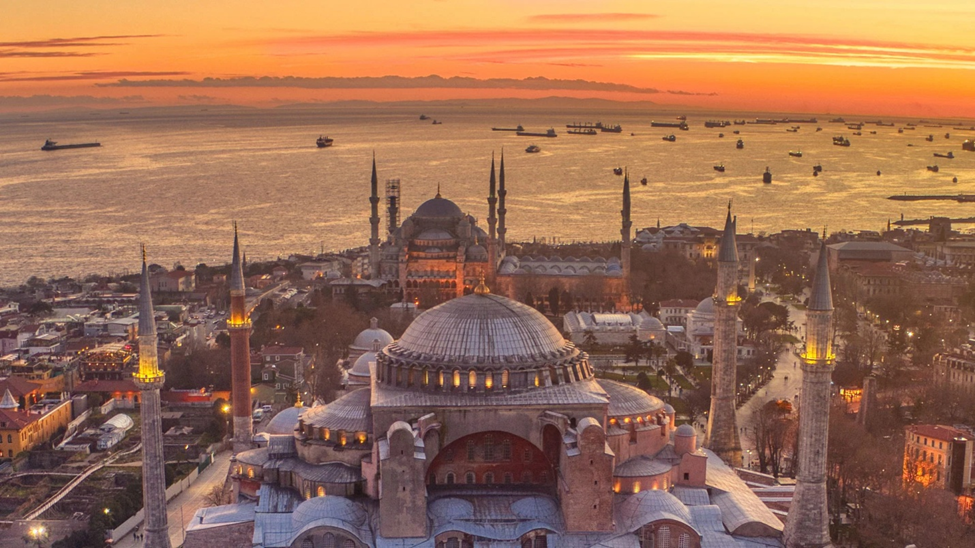
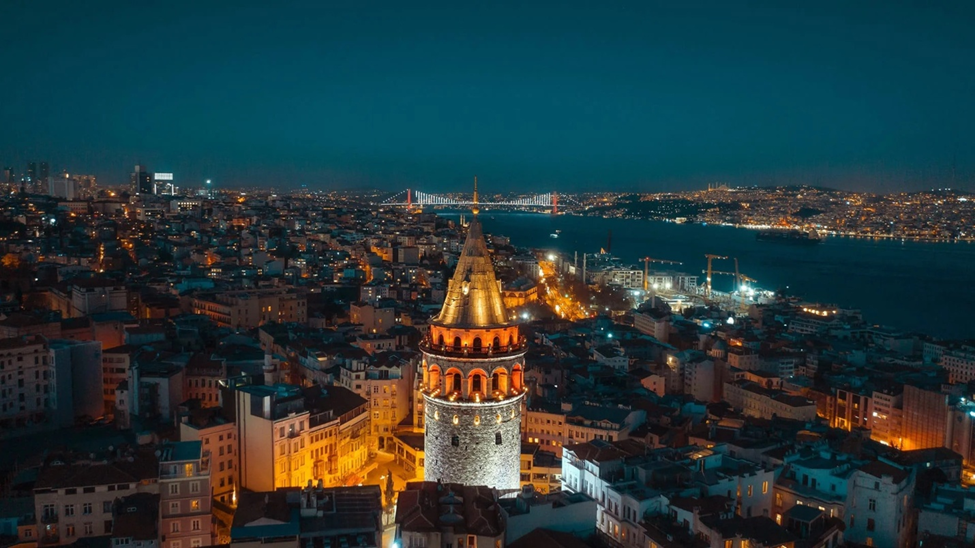
İstanbul, the bustling metropolis of Türkiye, is a city full of charm, where the past goes hand in hand with the present and every step brings to light a relic of times gone by. At the crossroads of two continents – Europe and Asia – this spectacular city has absorbed the best of both worlds.With its beautiful historic landmarks, quintessential cuisine, vibrant nightlife, festivals of art and music, celebration of faith, labyrinths of marketplaces and shopping arcades, the beating heart of İstanbul, and the soul of Bosphorus under the watchful eye of the Maiden’s Tower is a traveller’s dream.
Istanbul’s Historic Peninsula
The magnificent city of İstanbul has always attracted people from all over the world due to its strategic location and wonderful heritage, marked by significant monuments, diverse traditions and cultures, and authentic cuisine.
İstanbul gains much of the tourists’ and travellers’ attention and fascination from its historical peninsula, also known as Suriçi (Walled City). It was founded as a residential area and was the capital of two empires Eastern Roman and Ottoman Empire that once ruled 4 continents
The epitome of tourist attractions, the historic peninsula of İstanbul is enclosed by the ancient city walls on one side and the Bosphorus, Sea of Marmara, and the Golden Horn on the other.
When wandering through the neighbourhoods of İstanbul’s peninsula and seeing a wealth of Eastern Roman ruins and Ottoman artefacts, you will feel the scent of history as if you have travelled back in a time machine. It is indeed the varied history of this peninsula, along with its unique integration of architectural icons, that makes the old city of İstanbul a memorable place to visit.
Antalya
Antalya is a city where the sea, sun, history and nature commune in harmony.
Ancient cities, the sea, sun, beach, forest … all are parts of this integrity. Mustafa Kemal Atatürk describes Antalya with the phrase “Undoubtedly, Antalya is the most beautiful place in the world”.
Antalya is one of the most visited cities in the world and of course there are dozens of reasons for this. Those who love the sea, sand and sun and those who want to get lost in nature can find dozens of options in Antalya with the 640-kilometer coastline stretching from west to east on the Mediterranean coast, the Toros Mountains surrounding the city parallel to the coast.
In the far west of the city, on the Teke Peninsula there is an Ancient City called Patara one of the most important cities of the Ancient Lycian Civilization. As you move east, you can find nature in the bays of Demre and the traces of ancient civilizations at every corner. Kaş is one of the few diving centers in the world. Kemer is home to many luxury resort hotels and the magnificent Tahtalı Mountain (Tahtalı Dağı). Kaleiçi, which forms the center of the city of Antalya, brings together the ancient city of Attaelia, one of the most important medieval ports in the Eastern Mediterranean, the traces of the Seljuks and the natural wonder cliffs.
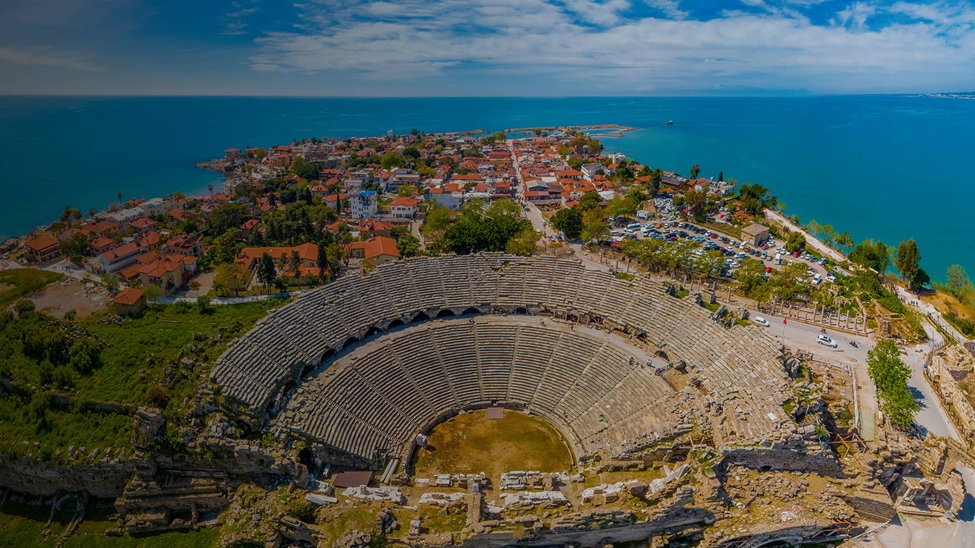
The Ancient City called the Perge is one of the important stops of St. Paul and the important port city which belonged to the Pamphylian civilization. It is an impressive historical center with its magnificent buildings. Belek is one of the important golf centers of the world with its specially designed courses. The Belek region is also prominent with amazing resort hotels, services, nature and facilities. When you move a little north from here, you will reach one of the best-preserved ancient theaters in the world, the Aspendos Ancient Theater (Aspendos Antik Tiyatrosu).
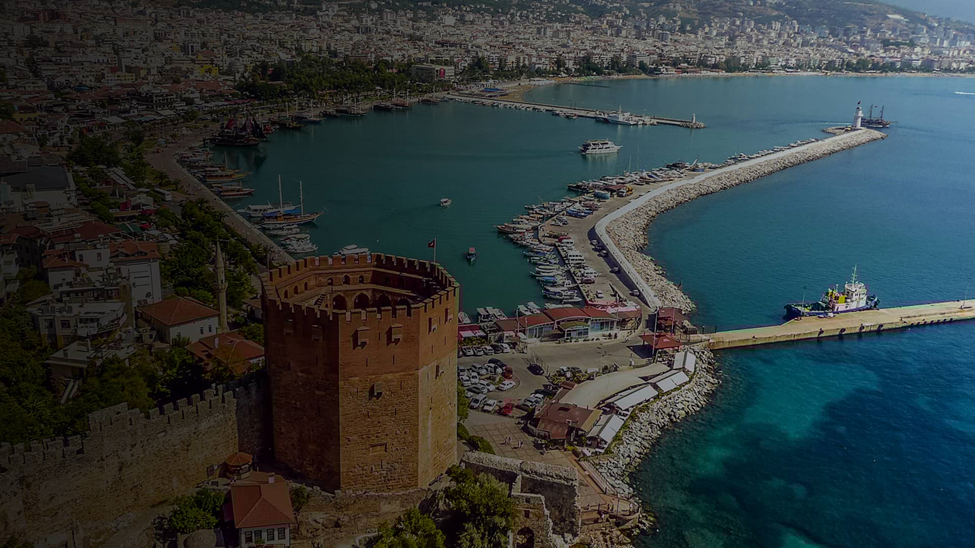
There is also the Manavgat Waterfall (Manavgat Şelalesi), which joins with the river with foams flowing meandering through the forests, the Temple of Apollo (Apollo Tapınağı) and the Ancient City of Side (Side Antik Kenti), right next to the sea, are home to a cultural asset that a day is not long enough to explore. Fascinating with its pine forests and waterfalls, Alanya is in the far east of the city with its historical castle extending into the Mediterranean.
Come and discover with your senses Antalya the historical city of the Mediterranean surrounded by the Toros Mountains (Toros Dağları), by seeing, hearing, tasting, feeling and listening!
Capadoccia
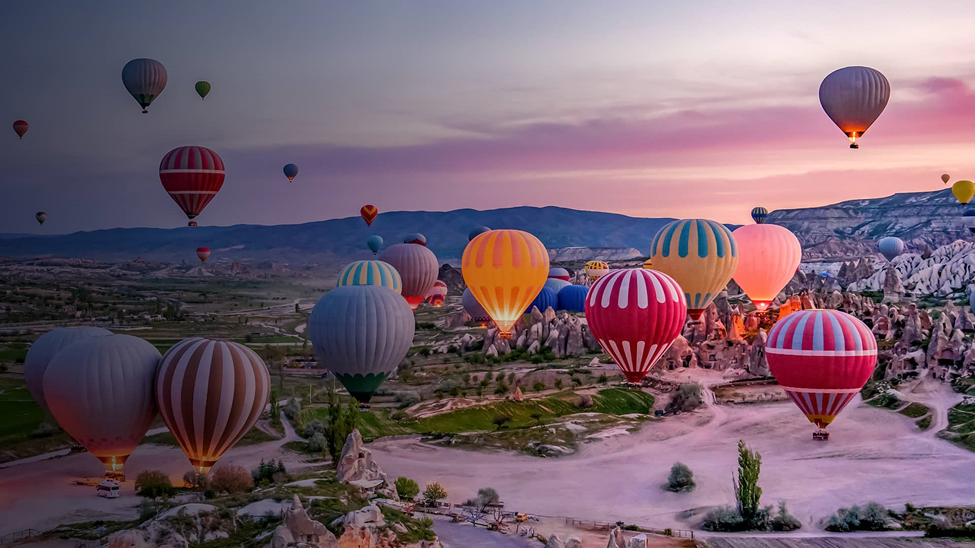
Cappadocian region is the place where the nature and history come together with most beautiful scene in the world. While geographic events are forming Peribacaları (fairy chimneys), during the historical period, humans had carried the signs of thousand years old civilizations with carving houses and churches within these earth pillars and decorating them with frisks.
During the Roman Emperor, Augustus period, territories of Cappadocian Region as a wide region lying till to the Toros Mountains at south, Aksaray at west, Malatya at east and Eastern Black Sea shores at north within the 17 volume book named ‘Geographika’ of Strabon, one of the Antic Period writers. Today’s Cappadocian Region is the area covered by Nevşehir, Aksaray, Niğde, Kayseri, and Kırşehir cities. More limited area, rocky Cappadocian Region is composed of Üçhisar, Göreme, Avanos, Ürgüp, Derinkuyu, Kaymaklı, Ihlara and environment.
Traditional Cappadocian houses and dovecotes carved into stones are showing the uniqueness of the region. These houses are constructed on the feet of the mountain via rocks or cut stones. Rock, which is the only construction material of the region, as it is very soft after quarry due to the structure of the region, can be easily processed but after contact with air it hardens and turns into a very strong construction material. Due to being plentiful and easy to process of the used material, regional unique masonry is developed and turned into an architectural tradition. Materials of neither courtyard nor house doors is wood. Upper parts of the doors built with arches are decorated with stylized ivy or rosette motifs.
Dovecotes within the region are small structures constructed within 18th century and end of 19th century. Some of the dovecotes, which are important for showing Islamic picture art are constructed as monastery or church. Surfaces of dovecotes are decorated with rich inscriptions and adornments by regional artists.
Nevşehir
The city in the heart of Türkiye. That means Nevşehir has all the potential of Anatolia: a long history, a shelter of faith, a unique landscape, fertile land and rich local cuisine.
The history of the city dates back to 7.000 CE. It was home to Hittites, Phrygians, Assyrians, Persians, Romans, Seljuks and Ottomans. Nevşehir and Cappadocia region had been an important refuge for early Christians before the religion had been recognized by the Roman Empire. At the 11th and 12th centuries, the Seljuks had taken the control of the region. When Ottoman Empire rule have been established on the land, the province had its current name: “Nev” (means new) and “Şehir” (means city). The name reflects the unique characteristic of Nevşehir: It combines past and future, nostalgic and trendy, but never gets old!
Nevşehir covers most of the Cappadocia with all beauties and history. Göreme Open Air Museum (Göreme Açıkhava Müzesi) has been in the UNESCO World Heritage List since 1985. Besides its world-famous fairy chimneys, Göreme Open Air Museum is an important place for history lovers with vivid depictions of the biblical scenes, most famously at Karanlık and Tokalı Churches.
Since the region has fertile soil, the local cuisine is rich and tasty too. When it comes to eat, the grapes turn into healthy sweets and wine, pumpkins into desserts and nuts, potteries into cooking pots to cook vegetables and meat in traditional ovens slowly. Clay pot kebab or beans in casserole are the most-favoured tastes of Nevşehir. However, the options are many: Soğanlama, Dolaz, Köftür, Ayva Dolması, Kayısı Dolması. You will try hard to choose which one is best for you!
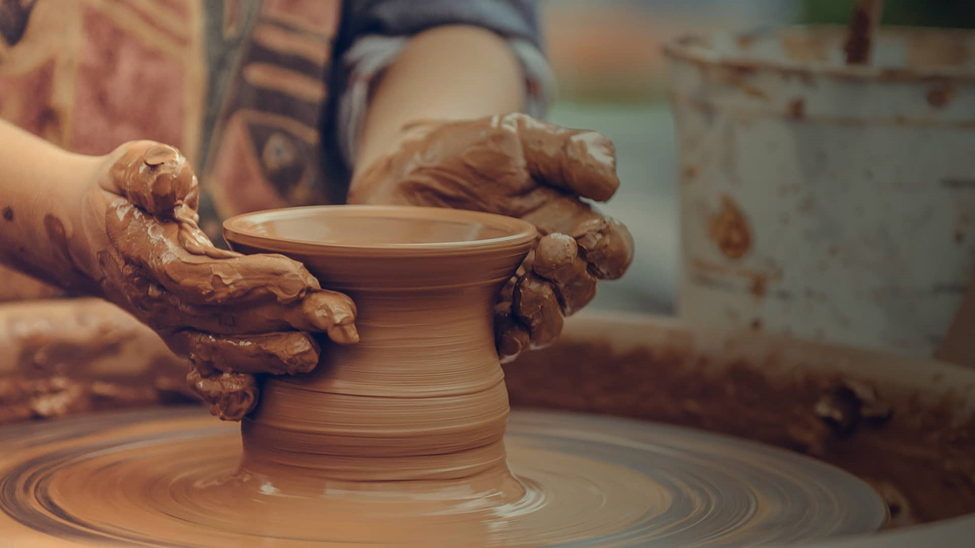
Nevşehir is also famous for silk production, wool and natural dyed carpets, pottery making and many more handcrafts. You can even try to make your own pottery here.
Aegean Coasts
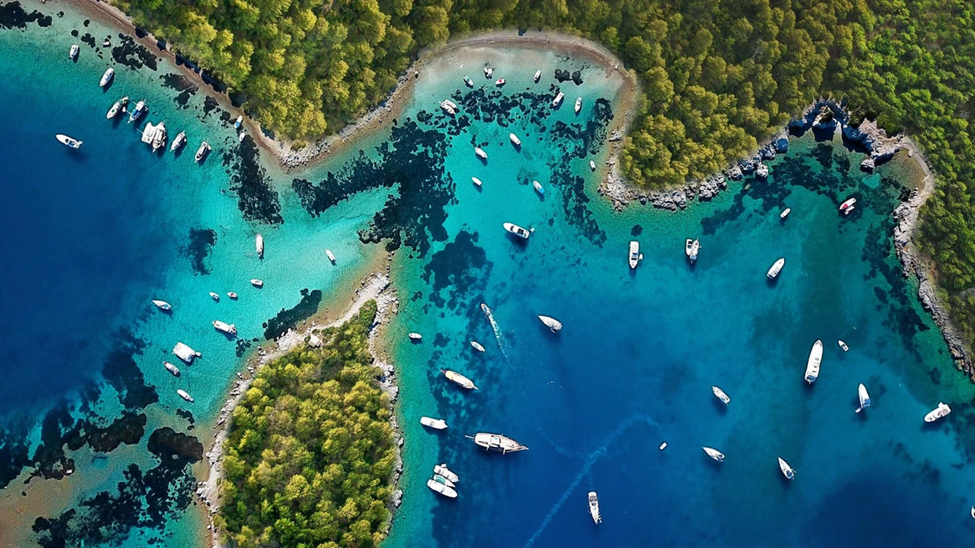
If someone was claim that the most scenic vistas in Anatolia can be found on the coasts of the Aegean, he could not be accused of exaggerating. In the words of Heredotus, the Aegean coasts “have the most beautiful sky and the best climate in the world.” The bays and peninsulas, coves and golden beaches stretch the length of these beautiful shores. In this region where the countless events of mythology took place, at almost every turn, you will encounter the theaters, temples and agoras of ancient cities like Bodrum, Marmaris, Cesme, Kusadasi, Bergama, Foca and Fethiye.
Bodrum
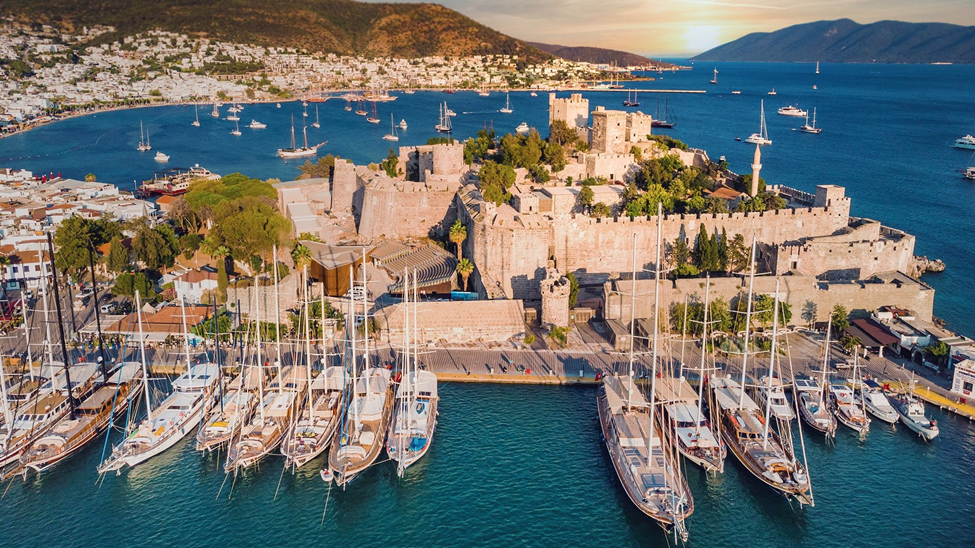
Bodrum is world renowned as a paradise for tourists featuring charming neighbourhoods, various ancient sites for sightseeing, exquisite bays, turquoise sea, mild Mediterranean climate, modern transportation, and vibrant night life.
It is a top holiday destination in Türkiye. Bodrum is a peninsula located in the southwest Aegean Region in the province of Muğla. The city’s developed transportation infrastructure and port, which welcomes international cruise liners, also play an essential role in attracting millions of tourists.
In ancient times, Bodrum was called Halicarnassus and it was located in southwest Caria. It was famous for housing the Mausoleum of Halicarnassus, also known as the Tomb of Mausolus, one of the Seven Wonders of the Ancient World. Built in the 15th century, Bodrum Castle overlooks the harbour and the marina. Today, it houses the Museum of Underwater Archaeology and hosts several cultural festivals throughout the year. Bodrum represents Türkiye’s Turquoise Coast at its most vibrant.
This is an incentive destination with a marina full of bobbing yachts ready to whisk you out to the Mediterranean, a handful of ancient attractions for sightseeing, and a town filled with photogenic, historic whitewashed houses.
Bodrum has some of the best nightclubs in Europe and some of its best beach clubs and restaurants. If you don’t like partying, then do as the locals do and indulge in Aegean cuisine, a concept that is all about waterside restaurants serving fresh fish and seafood.
Gümbet offers a long, sandy beach lined with hotels and pensions. Gümüşlük is a very pleasant place to stay, with unspoilt scenery, a long sand and gravel beach, where you can swim close to the ruins of ancient Myndos. Turgutreis boasts a sophisticated marina complete with exclusive cafes, restaurants and boutiques, as well as a host of new bars and discos. Yalıkavak has an enjoyable and relaxing atmosphere for visitors.
Göltürkbükü is famous for its array of exclusive hotels, excellent seafront restaurants and trendy bars. Bitez, a popular place for windsurfing and sailing, attracts an upmarket crowd. Other popular Bodrum beach spots include: Yalıkavak, Akyarlar, Çökertme, Ortakent, Bardakçı, Torba, Camel Beach, Mazıköyü, Gündoğan and Akyaka.
Taş Tepeler
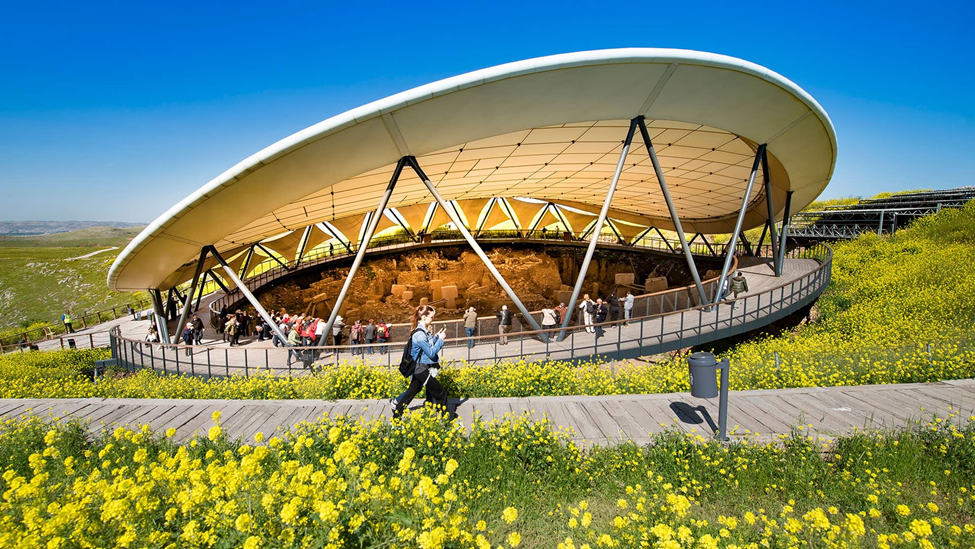
Taş Tepeler encompasses the expansive archaeological site that includes Göbeklitepe, Karahantepe, and related excavation sites. Dating back around 12,000 years, Taş Tepeler predates iconic landmarks such as the Pyramids, Stonehenge, and Machu Picchu.
Göbeklitepe: a striking example of the first Neolithic settlements
Göbeklitepe dating back to 11,500 years ago is located near Örencik village, 15 km northeast of Şanlıurfa province. Home to earliest vestiges about belief in the world, Göbeklitepe is one of the most important known centres of Neolithic Age. Göbeklitepe’s history traces to 9600 BCE and reflects an uninterrupted period of 1500 years. This time frame refers to neither one place, nor a given moment: the process had happened in a vast region and had remained dynamic for a long time. Anatolia is the place where today’s civilisation was born. It is also the place par excellence where humans established the first long-haul commercial relations, tried to tame animals and to do agriculture, founded villages for the first time, and built the world’s oldest monumental structures. All these constitute also the most important features of modern human life.
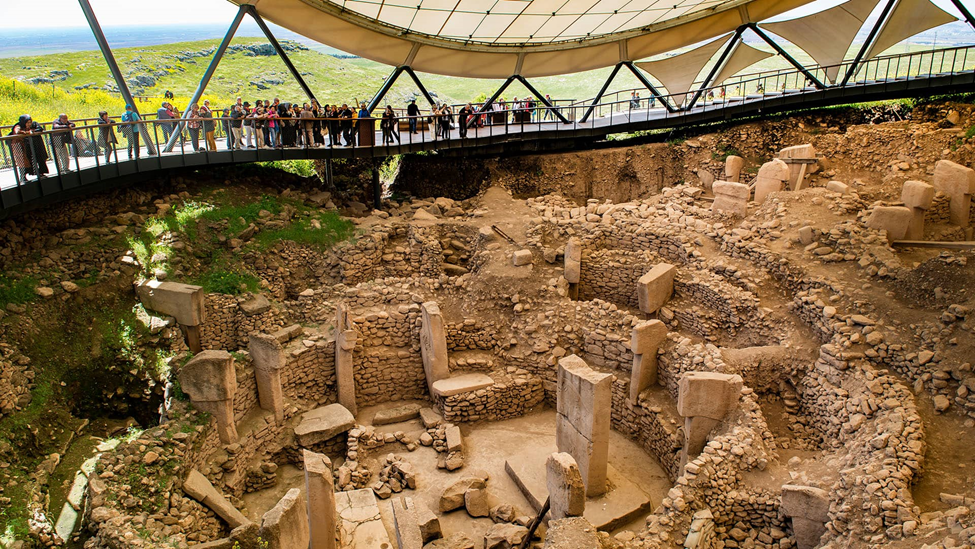
Communities who lived in this primaeval marvel, passed from hunting-gathering to sedentism and built monumental megalithic structures. The T-shaped limestone pillars set in the middle of the structures are one of the first manifestations of human-made monumental architecture. The monuments are believed to be used in social events and rituals.
Some structures are up to 20 metres in diameter, where terraces stretch along the walls and T-shaped and equally spaced stelae are installed in the middle. In the centre of 12 stelae around, there are two other stelae whose weight reaches 15 tons. The steles, some of which are 5.50 metres high, are decorated as if they were mythological representations: depictions of wild animals, geometrical figures, and few abstract depictions of humans.
Inscribed on the UNESCO World Heritage List in 2018, the mysterious and impressive Göbeklitepe promises its visitors a time-travel into the most unknown periods of human history.
The boar in Göbeklitepe: the first painted life-size statue
During the excavations conducted by the Ministry of Culture and Tourism, a life-size wild boar statue made of limestone was found in the D structure of Göbeklitepe. The sculpture, which shows red, white, and black pigment residues on its surface, is the first painted life-size example found from its period to the present day. The wild boar sculpture discovered in Göbeklitepe was found on a bench adorned with decorations, an H-shaped symbol, a crescent, two snakes, and three human faces or masks.
The territory of Tajikistan from the most ancient times lay on the important historical routes of the Silk Road, connecting the East and the West. Country in the international trade and cultural exchange linking of old possessions of Bactria – Tokharistan (Chaganian, Shumon, Ahorun, Kubodien, Vakhsh, Hutal, Rasht, Kumed, Darvoz, Vanj, Rushan and Wakhan), Soghd, Istaravshan (Ustrushan) and Ferghana with India, Afghanistan and China. The Silk Road was not only the exchange of goods between the East and the West, but also ideas, cultures and people.
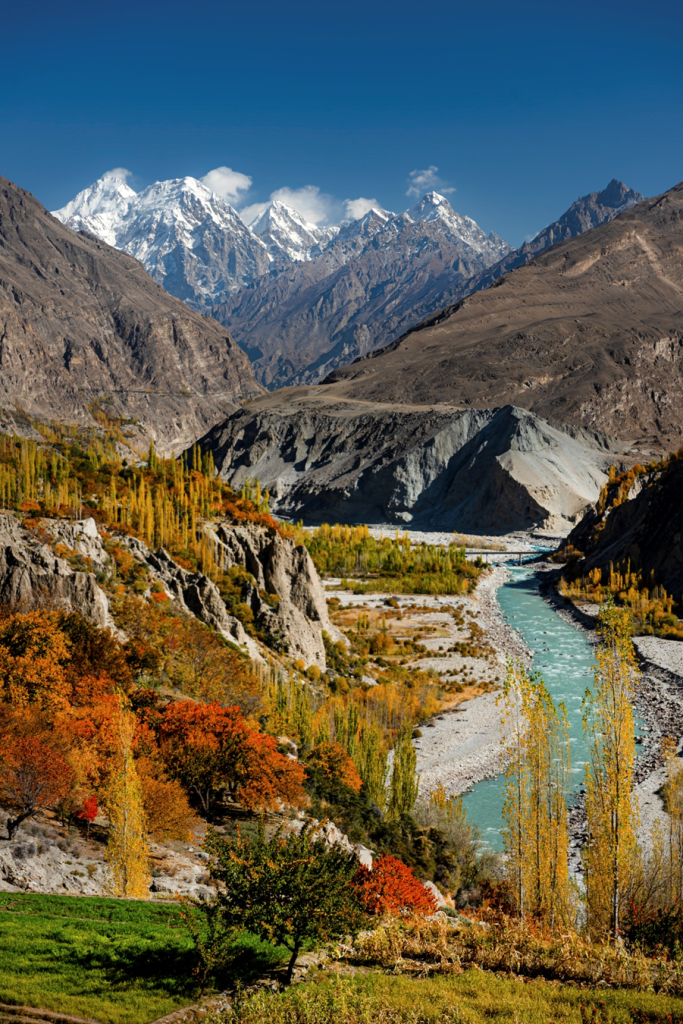
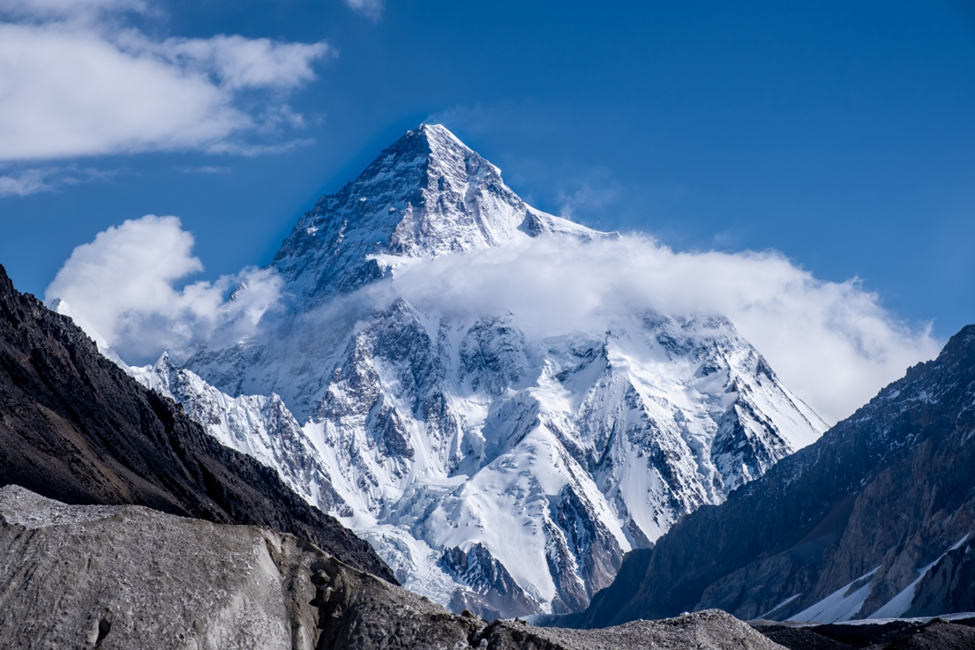
Modern Tajikistan is a mountainous country with the altitudes varies from 300 to 7,495 meters above the sea level. 93% of the territory are mountain ranges relating to Pamirs, Hissar-Alay and Tien-Shan mountain systems. The mentioned ranges are divided by rich and fertile lands of Ferghana, Zerafshan, Vakhsh and Hissar valleys. Complicated relief and big amplitude of mountain system’s high caused exceptional diversity of flora and fauna.
Tajikistan is a country of high peaks, strong glaciers, swift rapid rivers, unrepeatable in terms of beauty lakes, unique flora and rare animals. Mountainous, floor landscape determines originality and peculiarity of Tajikistan’s nature, riches of its forms called for life by diversity of climatic zones. In the republic it is possible during the one and half hour fly from heat of Vakhsh valley and get to arctic cold of everlasting snows of the Pamirs. On the basis of the existing 13 state nature reserves and sanctuaries “Zorkul”, “Romit”, “Mozkul”, “DashtiJum”, historical and natural park “Shirket” and the Tajik National Park the unique ecology, landscapes and natural monuments in its original form are preserved.
Priority modes for international tourism in the country are considered to be:
Climbing, mountain sports and ecotourism;
Rafting, paragliding, skiing, ski mountaineering;
International hunting;
Historical, cultural and ethnographic tourism;
Spa treatment and rest;
Top 5 Destinations in Tajikistan
Dushanbe
Dushanbe, the capital of Tajikistan, serves as the country’s largest city and a hub for its scientific, cultural, economic, and industrial activities. With a population exceeding 1 million in a country of about 10 million, Dushanbe is an important focal point.
Situated in Tajikistan’s southern region, within the Hissar Valley, Dushanbe experiences a subtropical inland climate. Summers here can be scorching, while winters are generally brief.
“Dushanbe” translates to “Monday” in Tajik—a nod to the city’s longstanding tradition of hosting bazaars on this day of the week. Covering nearly 130 square kilometers, the city is bisected by the Varzob River, also known as the Dushanbe River. The nearby Varzob Gorge is a popular destination for both locals and tourists.
Dushanbe today is a cosmopolitan city that hasn’t lost touch with its cultural roots.
Top attractions in Dushanbe are:
The statue of Ismail Somoni – the large monument commemorates the 1100th anniversary of the Samanid State, the heyday of the Tajik nation when science and arts flourished.
The Navruz Palace – the largest tea house in Central Asia.
Rudaki Park – dedicated to the great Persian poet Rudaki, who also lived during Samanid time in the 9th century AD.
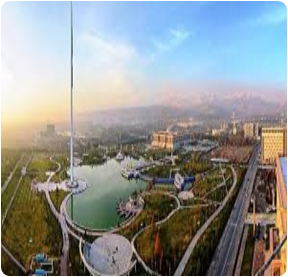
Flagpole – The second tallest flagpole in the world.
Palace of Nations or the Presidential Palace – is the official residence of the President of Tajikistan.
The national museum of Tajikistan – is a museum in Dushanbe, the capital city of Tajikistan.
The National Library of Tajikistan – is the main library of the country, specializing in preserving cultural heritage of the peoples of the Republic of Tajikistan.
Mehrgon Market – is a new and modern food market in Dushanbe the capital of Tajikistan.
Independence and Freedom Monument – was opened in 2022 in honour of the 31st anniversary of Tajikistan Independence.
The statue of Ismail Somoni – most impressive statue in all of Dushanbe is dedicated to who else but Ismoil Somoni – the national hero of Tajikistan. Ismoil Somoni was the most powerful Persian leader during the Samanid reign in the 9th century. The statue of Ismoil Somoni stands in front of a golden arch and is one of the main eye-catchers in Dushanbe. In summer, you can find many people walking around in the evening to enjoy the cooler temperatures after sunset. The statue can be found at the corner of Rudaki Park and frequently forms the center of events during important national celebrations and parades.
The Navruz Palace – going from the Flag Pole Park across the Varzob river, you stumble upon the largest tea house in Central Asia. The building actually has little to do with a traditional tea house. You can obviously go for a cup of tea, but there are also other types of entertainment inside, even including a cinema. With its decorative architecture and interior design, the tea house is frequently used to receive foreign dignitaries during state visits. The Tajik name for the tea house (Кохи Навруз) literally means Navruz Palace, which is quite an accurate description for its splendor.
Directly behind the Navruz tea house, there is a small artificial lake with yet another park next to it. The main sports complex of Dushanbe is located right across the road from the tea house, with the main football stadium. If you like, you can even go and play some table tennis.
Rudaki Park – for a capital city, Dushanbe can be considered quite an oasis of greenery. Innumerable tree-lined avenues, parks and public gardens are scattered throughout Dushanbe. One of the nicest patches of greenery is Rudaki Park, which lies right in the center of Dushanbe. As the name implies, the park is named after Rudaki, who was a renowned Persian poet that lived in the 9th and 10th century. A statue dedicated to Rudaki is located in the heart of the park. The park is surrounded by numerous impressive buildings, including the national library and the not-so-modest presidential palace. A mishmash of lights transforms the park at night into an interesting place to wander around.
Flagpole – the second tallest flagpole in the world after the one in Jeddah, Saudi Arabia is here. In fact, as the flagpole was erected in 2011 dedicated to the 20th anniversary of Tajikistan, it was the tallest flagpole in the world with its 165 meters and held this title for three years.
Palace of Nations or the Presidential Palace – The Palace of the Nation is the official residence of the President of Tajikistan. It is located on Shirinshoh Shohtemur Street in central Dushanbe. The Presidential Palace is surrounded by Dushanbe Flagpole to the north, Rudaki Park to the east, Independence monument to the south and Varzob River to the west.
The national museum of Tajikistan – There are several museums you can visit in Dushanbe. Arguably the best is the National Museum of Tajikistan situated right inside the park of the flagpole. The museum showcases a variety of exhibitions spread over multiple floors. The bottom floor is dedicated to everything related to the Tajik nature, from geological rock collections to the wildlife that can be encountered in the mountains. The middle floor displays a wide variety of archaeological items of interest from the rich history of Tajikistan. A collection of ancient and contemporary art can be found all the way upstairs. The national museum is opened for visitors every day.
The National Library of Tajikistan the largest in Central Asia – located in Dushanbe, Tajikistan is the main library of the country, specializing in preserving cultural heritage of the peoples of the Republic of Tajikistan. While the original library state library in Dushanbe was founded in 1933 and named after Persian author Ferdowsi, the new national library building opened in March, 2012 alongside its new official name. The new nine-story building features 15 reading halls as well as over 20 departments. Access to the library is free to any Tajik citizen and foreign citizens with a Passport.
Mehrgon Market – It would be inconceivable for a city like Dushanbe not to have bustling bazaars like its multifunctional Mehrgon open air market. Named in honour of the annual autumn harvest festival, this monumental two-floor building attracts residents and visitors looking for authentic flavour and great bargains. Agricultural fairs and seasonal festivals such as the festival of grapes, melons, pumpkins, potatoes, and more are held at Mehrgon.
Independence and Freedom Monument or Istiqlol Complex – Istiqlol (Independence) Square was opened in 2022 in honour of the 31st anniversary of Tajikistan Independence in 1991. Istiqlol Tower is situated inside Istiklol Square complex. The 121-meter height of “Istiklol” tower is symbolic, that is, the lower part of the complex is 30 meters, a symbol of the 30th anniversary of State Independence, and the upper part 91 meters personifies the gaining of Independence in 1991.The total area of the symbolic “Istiklol” complex is 11,900 square meters. Archways in a baroque style with traditional Tajik elements mark the entrees to the complex. The park and square are publicly accessible. You can go all the way up to the top (14th floor) for a 360 degrees’ view over Dushanbe. On the lower floors, there is a museum with some general expositions about Tajik culture.
Khujand
Khujand is one of the oldest cities of Central Asia, according to some sources it was founded in the VII-VI centuries BC. It was conquered by Alexander the Great, who rebuilt, fortified and re-named it to Alexandria Eskhata (Extreme). Located on the Great Silk Road, and connecting Samarkand with Fergana Valley, Khujand enjoyed a favorable geopolitical location and significant transport importance. Later, it was conquered by the Arabs (in the VIII century), and then it maintained resistance to the army of Genghis Khan, but eventually was destroyed (in the XIII century). However, very soon the city revived, becoming one of the largest commercial, cultural and scientific centers of the Central Asian region. And even today, Khujand is an important industrial, scientific and cultural center of northern Tajikistan.
Khujand, occupying, mainly, the left bank of the Syr-Darya River, is surrounded by mountains with the slopes planted with orchards. A few kilometers upstream, there is a place where the Kayrakkum reservoir starts, stretching for 55 km. The Khujand citizens and tourists like to go swimming, sunbathing or fishing on the lakeside. The city’s climate is as beautiful as nature – the hot summers are softened by the winds and the waters of the Syr-Darya, while the winters are mild with little snowing.
As a thousand years ago, nowadays Khujand still plays an important transport role. The city is crossed by the shortest route, coming from Central Uzbekistan to the Fergana Valley, and afterwards to Kyrgyzstan. The city has a railway station, as well as an airport located 11 km from its center. The nearest major cities are Bekabad (40 km to the west) and Kokand (140 km to the east).
Being home of famous scientists, writers and musicians, Khujand preserves the status of the scientific and cultural center in Tajikistan. The city has a theater, regional history museum and an archaeological museum as well as the Khujand State University, with an enrollment exceeding 10,000 students from all over the country.
Khujand managed to preserve some monuments dating back from the XVI-XVII centuries – the Sheikh Muslihiddin Mausoleum and Jami Masjidi Jami Mosque as well as Khujand Fortress, which was built together with the city more than 2,500 years ago, and underwent several stages of complete destruction and restoration.
And today, following the tracks of the Great Silk Road, it is impossible to travel in Central Asia without visiting Khujand, the city which become a corridor in the snowy mountains.
Top attractions in Kulob are:
Mausoleum of Sheikh Muslihiddin – this large memorial complex located in the historical part of the city was erected on the tomb of Muslihiddin Khudjandi – the ruler of Khujand, a poet who lived in the 12th century. The legends say that sheikh Muslihiddin was a holy miracle-maker. First he was buried in Undzhi settlement (Khujand suburb) but his admirers transferred his remains to the city and built the mausoleum on this place. It was in the 12th century. Back then the mausoleum was a small burial chamber made of burned bricks decorated by terracotta. This tomb was destroyed during Mongol invasion.
In the 14th century the mausoleum was rebuilt with slight changes. It consisted of two rooms. But this building was also destroyed. In the 16th century and you building was erected on what was left of the old mausoleum. Structurally it differed from former structures and became not just the burial site but also the place for prays and ceremonial ceremonials. Today the Mausoleum of Sheikh Muslihiddin is an architectural complex consisting of the cathedral mosque, the 19th-century minaret (above 20m tall) and ancient burials with the Mausoleum of sheikh Muslihiddin being the main one. The present mausoleum is two-storied with the portal entrance and the wide dome. In the center is ziyoratkhona (the hall of commemoration) and the tomb-gurkhona under the dome. In the center of the room there is a wooden sagona covered with graceful geometrical carving with vegetative ornament and incrustations.
Khujand fortress – throughout the whole history of Khujand, the city’s heart was its castle. Over 2,500 years, the Khujand fortress expanded together with the city, was destroyed by the conquerors, rebuilt anew, but always continued to be a symbol of endurance of the people.
Archaeological excavations have revealed that the first fortress was built in the VI-V centuries BC, and consisted of an artificial embankment gradually developed into a thick wall of natural clay. Moreover, in addition to the fortress there was a city wall occupying 20 hectares. Along the walls there were deep moats filled with water.
During the heyday of the Great Silk Road Khujand fortress was rebuilt and the city wall as well. However, the city was growing even more, and was divided into three parts: the citadel, and rabad shahristan. By that particular time, the Khujand fortress was considered one of the most inaccessible fortresses in Central Asia.
However, the fortress was fated to fall under the onslaught of the Genghis Khan’s army. In the period from 1219 to 1220 Khujand was under a siege, the number of invaders, at that, exceeded 25,000,000 people, excluding 50,000 captives, intended for work. Timurmalik, who led the defense of the fortress, could not offer resistance to the Mongol fleets and the city surrendered. The fortress was completely destroyed, and the siege of Khujand has become one of the biggest events in the history of Tajikistan.
Some historians argue that the fortress was rebuilt in the XV century, while others believe that the reconstruction began soon after the siege. However, nowadays, the Khujand fortress is the remains of walls and gates, as well as a territory of archaeological digs of the first wall foundation.
In 1999, a part of the eastern wall of the Khujand fortress dating back to VIII-X century was restored, and flunked to the building of the Museum of Local History, Archeology and Fortification. This museum has collected household items, pottery and implements found at the fortress territory. All in all, the museum fund consists of 1200 exhibits, most of which are available to visitors.
Kayrakkum Reservoir – 20 km from Khujand there is one of the natural attractions of Sogdian region – Kayrakkum reservoir, stretching for 50 km to the east. This artificial lake was made in the 50-s of the XX century to build a hydroelectric station and control the Syr Darya runoff. The country’s inhabitants, having no access to the ocean, often call it the “Tajik Sea”.
The statistics of the Kayrakkum reservoir in figures looks quite impressive: its length is 55 km, width is 20 km, maximum depth is 25 meters, and the total water volume is 4.2 km3. The length of the dam is 1,205 meters and while the height is 32 meters. In addition, in cold winters the Kayrakkum freezes, and in summers the air temperature near the coast reaches 30-35 degrees Celsius.
An artificial lake has become a new ecosystem of the region: its waters are rich in fish species (pike, carp, catfish, perch, bream, etc.), moreover it became a stopover for birds of passage, annually migrating from north Asia to India and other countries.
The Kayrakkum over its half-century history has become a popular holiday destination. It has various sanatoriums, recreation areas and children’s camps stretching along the coast. This is a great place for swimming and fishing. Its coast along the whole length is covered by numerous fruit orchards.
Kulob
Kulob, Tajikistan is a stunning destination for travelers with its picturesque landscape, historical sites, and cultural attractions. Located in the southern part of the country, Kulob is known for its snow-capped mountains, lush green valleys, and the friendly locals.
The city of Kulob is a great place to explore for its history, culture, and nature. It’s a great spot to view the magnificent snow-capped mountains and lush green valleys. The city also has some interesting historical monuments such as the ruins of the ancient fortress of Kuliab, and the Chorsu Bazaar which is one of the oldest markets in Central Asia. Other tourist attractions include the Kulob Museum of History, the Kulob Regional Museum, and the Kulob Art Gallery. The city of Kulob is also a great place for outdoor activities. Visitors can go on hiking, trekking, and camping trips in the surrounding mountains and valleys. There are also some great opportunities for skiing, as there are some ski resorts in the area. Apart from the outdoors, travelers can enjoy the cultural attractions in the city. There are plenty of traditional restaurants, cafes, and shops around the city, as well as a great selection of cultural performances.
Since the Middle Ages, Kulob has been an important political, economic and cultural center of the Khatlon region (until about 200 years ago, Kulob town was actually called Khatlon). Its situation halfway between Samarkand and Bukhara on the one hand, and Balkh on the other hand was perfect for a trade centre.
With a population of more than 100 000, these days Kulob is the second-biggest city in Khatlon province after Bokhtar/Qurghonteppa.
Top attractions in Kulob are:
• Mausoleum of Mir Sayid Ali Hamadani – was built by the disciples of Mir Sayid Ali Hamadoni. Mir Sayid Ali Hamadoni was the great Tajik-Persian poet, philosopher, and scientist and famous Sufi Muslim saint from the city of Hamadon in Iran. Initially, two rooms and two domes were built. There is an empty room with a window (to the direction of Mecca) b behind the gate of Mir Said Ali Hamadoni’s tomb. People call it masjid (mosque). This room is used for collective prayer since 1954, when Soviets destroyed the mosque of the community near the grave of Mir Said Ali Hamadoni.The mausoleum consists of domed rooms connected by a corridor. It has entrances from the west, north and east. The scholar is buried in the first room. The second room is a place for contemplation and prayer. Three more rooms on the east side of the site were built afterwards. Another room was built on the southeast side of the building as a mausoleum for Sayid Muhammad, the son of Mir Sayid Hamadoni. The whole complex consists of eight rooms, six-two side doors, twelve tombs of various sizes, and four prayers room.
This mausoleum is decorated with a golden dome and meticulous brickwork and surrounded by a beautiful flower garden. Mir Said Ali Hamadoni is highly revered as one of the great poets and Sufi saints among the people of Tajikistan. After living there for ten years in his city Hamadoni moved to the city of Kulob, where his son Sayid Muhammad was born, and his daughter Mohi Khuroson married to the local young man. Hence, Kulob became a home for this famous Sufi saint, and the ties between him and local people become stronger. The government of Tajikistan invested a considerable amount of money to restore the mausoleum. His birth anniversary was held in 1995, and international symposium was held in 2015, to commemorate his 700th anniversary. He is revered great national and historical figure. His picture and lines of poetry are printed on the 10 Tajiki Somoni banknote.
• Khoja Mumin: the solt mountain – on his travels Marco Polo describes a mountain where “salt is so much, that it will be enough to the whole world up to Doomsday”. Local people believe Khoja Mumin is this mountain.
The salt mountain of Khoja Mumin is located in the south of Tajikistan, 25 kilometres southwest of Kulob the shore of the Yakhsu River in Vose district. Khoja Mumin in shape resembles a giant dome, towering 900 m above the surrounding plain (absolute height 1332 m). It is visible from kilometers away. The residents of Tajikistan know this mount very well seeing its name on a box of table s alt produced from there. The area of salt marshes is 600 hectares, and its volume is 55 km. The thickness of salt reaches 200-240 m. According to experts, the salt reserves of Khoja Mumin are about 40-50 billion. The depth of the salt rock is still unknown. The famous Venetian traveller Marco Polo (13th century), who visited the site: ‘As long as the world exists, the salt of this mountain is enough for the population of the globe.’
• Hulbuk Fortress – The medieval town of Hulbuk is located in southwestern Tajikistan, in the Kulob region. It is situated 7 kilometers southwest of the district of Wose, in the centre of the village of Qurbonshahid. Hulbuk was the main city of the Khutalan (present Khatlon) as was reported by the Arab geographers. It even had a Friday Mosque. Hulbuk flourished as the center of trade and travel in Khutalan under the rule of Bajurids, who were the vassals of Samanids. Trade roads connecting Bukhara to Badakhshan and India passed through this medieval city.
Much of the city was burned during the internal fighting and rebellion. The ceramic materials, and coins that were found in the palace during excavation date back to the end of the ninth and middle of the tenth centuries. Subsequently, Khutalan and Hulbuk were seized by the Turkic rulers of Central Asia after the fall of the Samanids. The destroyed city never recovered, and the nearby Kulob emerged as a centre. Present Hulbuk covers an area of about 70 hectares, most of which is occupied by modern buildings. Only a few fragments of the ancient history of the settlement have survived. After a long reconstruction, this archaeological complex was opened to all visitors in 2006.
Hulbuk is the palace which construction dates back to the IX-XI centuries. The contours of the several hills, ruins of other cities can be seen from the top, where the palace was located. It may have been the case that the inhabitants of the Khutallan used various types of visual signaling, warning their neighbors to inform its residents about the danger of enemy invasions. Excavations of Hulbuk revealed that it was designed proportionally. The citadel of ancient Hulbuk has a rectangular shape and was divided into two parts. The southern part had powerful defensive high walls.
The northern part of the citadel occupied a much larger area, but its walls were much lower than the southern ones. The vast courtyard divided the entire complex into two parts. The courtyard was surround by the of columns, behind which there were living and utility rooms. The walls overlooking the courtyard were decorated with painted carved ganch. The monumental facade of the palace (northern part) with a ceremonial, solemn entrance in the form of an arch resting on two powerful pylons opened into the courtyard. This entrance probably existed all along, but the palace itself was overhauled at least twice.
Panjakent
The city of Penjikent (“five villages”) is located in Khujand area of Tajikistan in a picturesque Zeravshan river valley. Quite possibly the five villages started the history of this remarkable city which originated in the 5th-8th centuries AD. Penjikent of that time was one of the most important cultural and crafts centers of Sogd. It was even named “Central Asian Pompeii”. It was a superbly fortified well-organized city with a ruler’s palace, two temples, markets, rich dwelling houses decorated with numerous paintings, wooden and clay statues of ancient gods.
Penjikent was the last city on the way from Samarkand in Kukhistan Mountains. It was a very favorable location since no caravan or person going from the mountains or returning to Samarkand could bypass Penjikent. The city was destroyed by Arabs in the eighth century (the key battle took place on Mount Mug). The ruins of this ancient city were found only in the last century. Today the tourists can see the remains of dwelling houses and office buildings, the citadel with the palace, the house of craftsmen, and fire worshipers church.
In the outskirts of Penjikent one can find a “piece” of the past: a site of ancient settlement with the medieval citadel surrounded by dwelling and public buildings, some of which still have wall paintings. Nearby there is a necropolis. The clay and wooden figures found during excavations are kept in Rudaki History and Local Lore Museum. The place of excavation ha been turned into the memorial reserve.
Not far from Penjikent on Mount Mug the archive of documents belonging to a Penjikent ruler, written in Sogdian language was found. The interpretation of these documents offers a possibility to judge about social, economic and political life of the population of Central Asia in the 8th century.
Top attractions in Panjakent are:
Muhammad Bashoro Mausoleum – Muhammad Bashoro Mausoleum (11th – 14th centuries) is located in a pituresque Mazori Sharif village among juniper groves is the Mausoleum of Muhammad Bashoro who was an expert in khadises (the legends of deeds and pronouncements of Prophet Muhammad and his associates). Originally the building had no portal. It was added only in the 14th century. The portal was distinguished by a special beauty: it had graceful and noble proportions and was decorated with carved terracotta of unique beauty and complexity. The portal is bicolor – pink patterns of terracotta are placed within double frame of glazed turquoise bricks – and has the exact date preserved among the inscriptions (743 year of Hidzhra which corresponds to the years of 1342-1343).
The center of the building hosts a spacious domed hall with a number of vaulted rooms on its left and right. The main facade of the mausoleum faces a small mountain river where you can get using the only available road. A clay mikhrab with graceful ornamental and calligraphic inscriptions towers in the center of the hall.
The presence of mikhrab (a niche in a mosque wall indicating the direction to Kaaba – the main relic of Islam) testifies that originally the building might have not been a mausoleum but a mosque. This is not the only mystery of Muhammad Bashoro Mausoleum: another one is whether the remains of this notorious religious figure ARE buried there.
Penjikent Ancient Settlement – In the suburb of modern Penjikent the tourists can see the true picture from the past: the medieval citadel surrounded by dwelling buildings with wall paintings; near the ancient settlement center stands the necropolis. The local residents call this place “Kainar” which is also the name of the nearby water spring.
In 1946 archeological excavations were started there. As a result a separately standing citadel with Divashtich (the last ruler of Penjikent) Palace, two temples with extensive yards, streets, shops, workshops, markets, fortifications, multiroom two- and even three-storey dwelling houses, the richest of which were decorated with wall paintings and wooden statues, were found.
But the most famous in the ancient settlement of Penjikent are the picturesque and colorful wall paintings which have survived in spite of their 1,300-year stay in ruins. The subjects of ancient Penjikent artists were different. There were cult ones showing heavenly bodies (the sun, the moon, other planets of solar system), reflection of ancestors’ cults, water element (river Zeravshan), Hinduist gods (Shiva).
The genre paintings display battle scenes, feasts, hunting, sports, playing musical instruments and backgammons, dances, distributions of harvest. Also found were the remains of carved wood and clay monumental sculpture in the ruins of temple buildings. The arts of ancient Penjikent, along with Byzantian, Indian and Persian borrowings, possessed their special original style.
Sarazm Settlement – Sarazm is a settlement dated the 4th -2nd millennia BC located near Pendzhikent with survived temples of fire, public and residential buildings, cult and palace structures. A lot of objects made of copper, bronze, lead, silver and gold; armor, jewelry related to 4th – 2nd millennia B.C. were found there.
The settlement stands on a height extending from west to east on the left bank of the Zeravshan River. The total area of the settlement exceeds 100 hectares.
Sarazm was the ancient center of ores mining. Sarasm people exported the gold and silver found in the Zeravshan river valley to the countries of the Middle and Near East as well as West India.
Besides that Sarazm was one of the largest centers of metallurgy in the Central Asia. There the fragments of foundry forms, melting forges, massive pestles and hammers for ore crushing, metal objects in the form of axes, daggers, knifes, spears, pins, fishing hooks and ornaments were found.
During the excavations in Sarazm the palace complex (the area of more than 250 square meters) was discovered. The complex included a big corridor, a vestibule, two or three halls and several auxiliary structures. All structures are connected by wide passages. One of the complex walls has windows for illumination and ventilation. The presence of circular altars in the center of the two halls might mean that it was not just a palace but also a place for cult ceremonials.
In 2020 Tajikistan was celebrated the 5,500th anniversary of the ancient agricultural settlement Sarazm (mid-IV – III millennium BC)
Rudaki Mausoleum – the mausoleum of the world-renowned poet Abu-Abdullo Rudaki, the ancestor of classical Tajik poetry was constructed in 1958. This historical paradox is in the fact that this famous poet’s biography had not been studied in full, and consequently, the place of his burial was not determined.
What known is that Rudaki who lived in the late 9th – early 10th centuries (during Samanids rule) had spent his last days in poverty and died in 941 in his native Pandzhrud village Pendzhikent. Some data testify that the poet died blind.
It was due to the laborious efforts of the famous Tajik writer Sadriddin Ajni hat some important facts from Rudaki’s life have been exposed. Having thoroughly studied all available historical manuscripts he managed to identify the great poet’s burial place, and the well-known sculptor – anthropologist Michael Gerasimov restored his appearance on the basis of the found remains.
In 1956, the year of Rudaki’s 1,100th birthday, the tomb, where the poet had been supposedly buried, located in Pjandzhrud kishlak was dug out. The burial contained the skeleton bones, which belonged to a man who had died at the age of around 85-87 years. The objects found in the grave were related to the time in which the poet had lived. There were some other evidence proving the fact that it WAS Rudaki’s grave.
Khorog
Khorog – (a.k.a Horog, Khoroq, Khorogh, Khorugh, or Xoroq) is an administrative center of Gorno-Badakhshan region, and the only city in Pamir. It is located approximately in the middle of the Pamir Highway: 600km to Dushanbe and 730km to Osh in Kyrgyzstan. In Khorog the Pamir highway branches out: the northern road goes along a deep mountain gorge straight to Murgab, and the southern one leads to the Vakhan corridor, the most picturesque part of the road, where historical monuments and picturesque villages have been preserved. Thus, Khorog is a touristic center of Pamir with all routes passing through it. Located at the height of 2200 meters above sea level, it is one of the highest cities in the post-Soviet territory and the highest city in Tajikistan.
There is no definite start in the history of Khorog. In this mountainous region there was once a small state Shungan consisting of several fortresses scattered around. One of them called Kalai-Panjbar was located at the junction of rivers Gunt and Panj, exactly in the place of present Khorog. First, it was an independent mountain state; later in the 19th century it fell under the rule of the Bukhara Khanate; and in 1986 the territory was occupied by troops of the Russian Empire. During the “Great Game” between Russia and the Great Britain, Russians tried to get control of Pamir, and built a road from Osh to Sary-Tash, then to Murghab and finally to Khorog. They organized a frontier post on the banks of river Panj and a small village of Khorog began to develop. In the beginning of the 20th century, with arrival of the Soviet rule, Khorog became an administrative center of the Gorno-Badakhshan autonomy, and in 1928 received the status of the city. During the 20th century it was a trading point on the Pamir Highway and still serves as such up to now.
Today Khorog is a real center of Gorno-Badakhshan. There is a trade road from China to Central Asia; it is also indispensable point for all touristic routes around Pamir. There are 30 000 people living there, and the main part of locals confess Ismailism, one of the Shia branches of Islam. There are three educational institutes available for postsecondary students: Khorog State University, International University of Central Asia branch and Aga-Khan Fund Lyceum. Tourism infrastructure is also gradually developing with few hotels and guesthouses, restaurants, internet cafes and others.
The most popular attration of Khorog is Pamir botanical garden. It was founded in 1940 for testing survival rate of different plants in the conditions of the mountain climate. According to official data, there were over 30000 kinds of plants tested, and as a result, garden collection now includes around 4000 types of them. Pamir botanical garden is located not far from Khorog and opens an excellent panoramic view of the whole city.
Another well-known landmark of Khorog is a local history museum where you can learn a lot about the nature, history and culture of the Gorno-Badakhshan region. The most interesting exhibit of this museum is a piano that in 1914 had been hand-carried for over a month by soldiers from Osh (Kyrgyzstan). In order to describe the complexity of the delivery, it is enough to say that road from Osh to Khorog is more than 700km with several 4000 m high mountain passes. The delivered piano was for the daughter of the frontier post commandant and the locals would come to listen to the play on this “unusual” instrument.
Today Khorog is the capital of the Gorno-Badakhshan. Surrounded by severe high mountains, Khorog is protected from strong winds and frosts. The city looks as a green oasis among abandoned mountain ridges. Thus, winters are mild, and summers are not too hot. Khorog is a great place to explore on the Pamir Highway and a must-see place if you wish to learn more about the Pamir track.
Top attractions in Khorug are:
Fortress Yamchun – you can see amazing view of the Yamchun fortress in the middle of the Wakhan corridor after turning from the main road of the Pamir Highway and climbing along the long serpentine up to the mountains. This beautiful fort with stone walls and towers is located on the height of 3000 m above the sea level and mounts the valley of the river Panj running 400 m below.
Today only upper bastion that was well protected, has survived from the entire fortress. Ideal place was chosen for construction of the triangular-shaped Yamchun fortress: mountainside is protected from two sides with deep gorges of rivers, so it was hard to assault the fortress from this side, and the third side has a steep slope where they made a cascade of walls and towers, thus losing the lower tier, defenders could retreat upwards still keeping the strategic advantage. The preserved part of the fortress has an area of approximately 300 sq. m; and in the far past the fortress used to have a territory of 75 hectares (185 acres).
Walls of the Yamchun fortress are made of stones, of different rocks, some of which were delivered from afar. Moreover, thanks to investigation of masonry, it was discovered that thin layers of timber was added during construction that would add flexibility and strength in case of earthquakes. Outer walls are 3 m tall, and 1,5 m wide. Loopholes can be seen everywhere. However, time is slowly ruining the fortress and most of the walls and towers of Yamchun are partially collapsing.
Construction of the fortress Yamchun dates back to the 3rd century B.C., and it is a bit older than another famous fortress in the Wakhan valley – fortress Kah-Kakha. It is known that fortress Yamchun earlier had names such as Zamr-i-atash-Parast and Kafir-Kala. Once this fortress had two functions: control over flow of people and goods across Wakhan valley and protracted defense in case of foreign raids. Today this is one of the brightest sights of Pamir that one should definitely visit taking a tour to Pamir Highway.
Karakul Lake – the highest part of Pamir Highway is adorned with the Karakul Lake. Located at an altitude of 3914 m its name is translated as “The Black Lake”. Pamir highway lies several hundred meters from the shores of this natural sight, and one can enjoy the view of the lake for 40 km. There is also a village with the same name, Karakul, that stands out with its severe view.
The Karakul Lake has an area of 380 square km it stretches for 33 km from north to south, and 24 km from east to west. A big island is located in the middle of it dividing Karakul to two parts: eastern part has depth for 22 meters, and differs with smooth descent to waters; its western part is more abrupt and the depth goes down to 236meters. Even though this drainless lake is supplied with neighboring mountain glaciers, water in Karakul is salty. In summer, water temperature reaches 12 degrees Celsius, and in winter, it goes down to zero and the lake is covered with 1-meter-thick ice.
Beauty of the Karakul Lake is not only about its bright blue color, but also picturesque landscape of snow-capped peaks of Pamir reflected in waters. There is a row of seven thousands around the lake; Peaks of Lenin and Avicenna are the ones to outstand. Moreover, due to the big height, sky seems closer and is deep in color. At night, you can enjoy bright light of Milky Way.
Located on the eastern side of the lake, Karakul village reminds a post-apocalyptic settlement. One-storey clay houses are painted in white, and absence of planning has created a small labyrinth. Mainly, the Kyrgyz inhabit there, as it is only 50 km to the border with Kyrgyzstan. There is no infrastructure; only a small school and few guesthouses to stay for an overnight. Apart from that, electricity is available only in the morning and evening.
Garm-Chashma – the resort constructed in 1957 next to mineral water springs. It is the most well-known balneological resort of Pamir. The curative properties of Garm-Chashma mineral water is recognized far beyond the country.
Hot mineral water spring Garm-Chashma (hot spring) is located 2,325 m above the sea level, on the western slope of the Shahdarya Ridge in the average watercourse of Garm-Chashma River. The age of the spring is over few thousand years. The mineral water rises on the surface from great depths in the form of gushing forth small and large jets of 10 cm to 1.5 m. One jet gives from 5 to 7 liters of hot water a second. The water is muddy from limy deposits with and contains balls of calcium.
The sediments of such balls and limestone form a travertine mound ending with a number of natural bowls – pools of various sizes with a water mirror ranging from 0.5 to 20 sq. m half a meter depth. They are filled with hot water of turquoise color containing iron, aluminum, magnesium, strontium, fluorine and other elements. The water is also rich in hydrogen sulfide, silicon acid and carbonic acid.
There reigns a favorable climate which in combination with balneotherapy yields good results in curing some diseases of cardiovascular and nervous system, locomotor apparatus as well as skin and gynecologic diseases.
The hot spring as a rare gift of nature has attracted attention of local population; the people were cured in its waters, received healing or at least pain relief. This was why Garm-Chashma got its reputation of holy water spring. There in the end of the 19th century the local inhabitants-built altars – small niches in the rock near the place where water comes onto the surface; they put their various sacred objects and burning lamps.
UNESCO World Heritage Sites
Tajikistan became a full-fledged member of UNESCO in 1993. Today, the country boasts four World Heritage Sites and 15 sites on the Tentative List.
Tajikistan actively collaborates with UNESCO in the fields of cultural and historical heritage, conducting research on territories and archaeological sites of potential global interest. In 2004, Dushanbe, the capital of Tajikistan, was designated a UNESCO World Heritage City.
Sarazm Settlement – inscribed in 2010.
Tajik National Park (Pamir Mountains) – inscribed in 2013.
Tugay forests of the Tigrovaya Balka Nature Reserve – included in 2023.
Zarafshan-Karakum Corridor – since 2023.
Cultural heritage monuments of Tajikistan on the UNESCO World Heritage Tentative List:
Mausoleum of Amir Hamza Hasti-Podshokh (inscribed in 1999): This medieval structure is adorned with unique Arabic epigraphy found nowhere else in the world.
Ancient site of Batudasht IV (inscribed in 1999): Only ruins remain of this prehistoric settlement, which spans 10 hectares. Archaeological excavations have uncovered cult structures and other artifacts from the 6th to 4th centuries BC.
Ancient settlement of Tahti-Sangin (included in 1999): This site is home to the famous Oxa temple, built no later than the 3rd century BC. Archaeologists have also discovered numerous Greek-Macedonian weapons and a treasure trove of coins dating from the 4th to 3rd centuries BC.
Buddhist Monastery of Ajina Tepe (listed in 1999): The remains of a 6th to 8th-century Buddhist monastery can be found on Ajina Tepe hill, near the town of Bokhtar. Monastic cells and some structures have been preserved. Excavations on the monastery grounds uncovered a 12-meter-long statue of Buddha lying on his right side.
Mausoleum of Khoja Mashad (listed in 1999): This complex, consisting of a mosque, madrasa, and mausoleum, was constructed between the 9th and 12th centuries. The earliest structure is the eastern mausoleum.
Mausoleum of Khoja Nakshiron (listed in 1999): This 11th to 12th-century mausoleum comprises two small vaults lined with bricks. The mausoleum is a unique pre-Mongol period structure, as it features a protruding portal not typical for that time.
Ancient Penjikent (included in 1999): From the 5th to 8th centuries, this area was home to a large city complete with a fortress, residential quarters, market squares, and a necropolis.
Ancient city of Shahriston (Kahkaha) (included in 1999): This site was the capital of the ancient state of Ustrushana from the 6th to 9th centuries. Today, the ruins of the Kalai Kahkaha II palace, a shopping plaza, and the remains of a mosque built on the site of a pagan temple still stand.
Mausoleum of Muhammad Bashoro (included in 1999): Constructed in the 11th to 12th centuries, this building combined a mosque and mausoleum under one roof and has been well-preserved.
Zorkul State Reserve (included in 2006): This remarkable area is characterized by lakes, rivers, and an abundance of highland vegetation, as well as numerous mammals and birds.
Dashti Jum State Reserve (included in 2006): The reserve is home to four types of forests and hosts dozens of species of animals, birds, and fish, some of which are included in the Red Book.
Kusavlisay Reserve (included in 2006): This reserve’s primary purpose is to protect the juniper forest, which contains three species of juniper.
The Fann Mountains (included in 2006): This significant mountain range is part of the Gissar and Zerafshan Ranges. The Fann Mountains boast a unique landscape that remains untouched by human activity.
Attractions of the Great Silk Road in Tajikistan (included in 2013):
UNESCO Intangible Cultural Heritage in Tajikistan
Tajikistan is home to four exceptional UNESCO World Heritage Sites and 15 monuments on the tentative list. We encourage every visitor to explore Sarazm and the Tajik National Park, and also take the time to discover other fascinating attractions.
Additionally, Tajikistan possesses a unique intangible heritage, passed down through generations. Let’s delve into these cultural treasures.
The UNESCO List of Intangible Cultural Heritage of Humanity in Tajikistan features ten sites:
Shashmaqom music (recognized as a UNESCO World Heritage Site in 2003, and included on the representative list in 2008);
Nowruz (recognized as a UNESCO Intangible Heritage Site in 2010, and included on the representative list in 2016 due to the expansion of countries);
The traditional dish of oshi palav and its social and cultural context in Tajikistan (included 2016);
Chakan, embroidery art in the Republic of Tajikistan (included 2018);
Falak (included 2021);
Telling tradition of Nasreddin Hodja/ Molla Nesreddin/ Molla Ependi/ Apendi/ Afendi Kozhanasyr Anecdotes (included in 2022);
Sericulture and traditional production of silk for weaving (included in 2022);
Sadeh/Sada celebration (inscribed in 2023);
Art of illumination: Təzhib/Tazhib/Zarhalkori/Tezhip/Naqqoshlik (inscribed in 2023);
Traditional knowledge and skills in the production of satin and adras fabrics (since 2023).
Introduction to Pakistan: A Land of Diversity and Beauty
Nestled at the crossroads of South Asia, the Middle East, and Central Asia, Pakistan stands as a land of captivating diversity, offering an array of unique features, attractions, and experiences for travelers seeking adventure, cultural immersion, and natural wonders. From its rich cultural heritage to its breathtaking landscapes and culinary delights, Pakistan promises an unforgettable journey for those who venture into its embrace.
One of the most striking aspects of Pakistan is its unparalleled cultural heritage, which reflects a tapestry of civilizations that have thrived in this region for millennia. With a history dating back to ancient civilizations such as the Indus Valley Civilization, Pakistan boasts a wealth of archaeological sites, including the UNESCO World Heritage site of Mohenjo-Daro, showcasing the ingenuity of its early inhabitants. The country’s cultural landscape is also adorned with magnificent Mughal architecture, exemplified by the iconic Badshahi Mosque and Lahore Fort in Lahore, and the stunning Shah Jahan Mosque in Thatta, each a testament to the grandeur of bygone eras.
Beyond its cultural treasures, Pakistan is blessed with an abundance of natural wonders that beckon adventurers and nature enthusiasts alike. The country is home to some of the world’s highest peaks, including the legendary K2, attracting mountaineers and trekkers from around the globe to conquer its formidable heights. The mesmerizing landscapes of the Hunza Valley, with its terraced fields and orchards set against a backdrop of snow-capped peaks, offer a serene retreat for those seeking solace in nature’s embrace. Additionally, the surreal beauty of the Karakoram Highway, often dubbed the Eighth Wonder of the World, provides a thrilling journey through rugged terrain and breathtaking vistas.
For adrenaline junkies, Pakistan offers a playground of adventure activities, from white-water rafting in the roaring rapids of the River Indus to paragliding over the picturesque Swat Valley. The vast expanse of the Thar Desert in the province of Sindh provides an ideal setting for camel safaris and dune bashing, offering a taste of desert life amidst the golden sands. Meanwhile, the crystal-clear waters of the Arabian Sea along the coast of Balochistan invite visitors to indulge in snorkeling, scuba diving, and deep-sea fishing, revealing a vibrant underwater world teeming with marine life.
No visit to Pakistan would be complete without savoring its delectable culinary offerings, which reflect the country’s rich cultural heritage and diverse influences. From the fiery flavors of traditional Pakistani cuisine, such as biryani, karahi, and seekh kebabs, to the aromatic spices that infuse each dish with a burst of flavor, the culinary landscape of Pakistan is as diverse as its people. Street food enthusiasts will delight in exploring bustling bazaars and food markets, where vendors offer a tantalizing array of snacks and sweets, including samosas, pakoras, and jalebis, sure to tempt the taste buds of even the most discerning food connoisseurs.
Pakistan’s tourism potential also featured on CNN and in Forbes Magazine while the award-winning travel magazine Conde Nast Traveller declared Pakistan as one of the “Best Holiday Destinations” and British Backpacker’s Society described Pakistan as one of the ‘friendliest countries on earth with mountain scenery that is beyond anyone’s wildest imagination’. Geographically, Pakistan is divided into four provinces: Balochistan, Khyber Pakhtunkhwa, Punjab, and Sindh; along with two autonomous territories of Azad Jammu and Kashmir (AJK) and Gilgit-Baltistan (GB), and one federal territory known as Islamabad Capital Territory (ICT). Each province and territory are unique; with its own brand, people and culture.
In line with its commitment to promote Pakistan’s tourism potential on a global scale, the nation has recently launched its National Tourism Brand, “Salam Pakistan.” This initiative aims to encapsulate the warm hospitality and rich cultural heritage of the country, inviting travelers from around the world to experience the beauty and diversity that Pakistan has to offer. With “Salam Pakistan,” visitors are not only welcomed with open arms but also encouraged to embark on a journey of discovery, forging unforgettable memories and meaningful connections with the people and landscapes of this enchanting land.
In conclusion, Pakistan stands as a land of unparalleled beauty, cultural richness, and adventure, offering a myriad of experiences that captivate the imagination and ignite the spirit of exploration. Whether trekking through the majestic Himalayas, immersing oneself in the vibrant tapestry of Pakistani culture, or indulging in the tantalizing flavors of its cuisine, a journey to Pakistan promises an unforgettable odyssey filled with discovery, wonder, and adventure. All that’s its missing is YOU
5 Best Destinations
Pakistan offers a diverse range of tourist destinations, from majestic mountains to ancient cities and stunning valleys. Here are five of the best tourist destinations in Pakistan:
1. Hunza Valley: Known for its breathtaking natural beauty, Hunza Valley is located in the Gilgit-Baltistan region of Pakistan. Surrounded by snow-capped peaks, including Rakaposhi and Ultar Sar, this valley offers spectacular views, hiking trails, and cultural experiences. Visitors can explore ancient forts, visit traditional villages, and indulge in local cuisine while enjoying the serene landscape.
2. Skardu: Nestled amidst the Karakoram mountain range, Skardu is a paradise for adventure enthusiasts and nature lovers. It serves as the gateway to several famous trekking and mountaineering expeditions, including treks to K2 Base Camp and Concordia. Skardu also boasts picturesque lakes such as Satpara Lake and Sheosar Lake, as well as historic sites like the Skardu Fort.
3. Swat Valley: Often referred to as the “Switzerland of the East,” Swat Valley is renowned for its lush greenery, alpine meadows, and snow-capped peaks. Visitors can explore ancient Buddhist relics in the Swat Museum, hike in the picturesque Malam Jabba Valley, or enjoy trout fishing in the Swat River. Kalam, a prominent town in Swat Valley, boasts serene lakes, meandering rivers, and breathtaking natural beauty, making it a perfect destination for travelers seeking tranquility and outdoor adventures.
4. Lahore: As one of Pakistan’s most vibrant cities, Lahore is a treasure trove of history, culture, and cuisine. It is home to architectural marvels such as the Badshahi Mosque, Lahore Fort, and Shalimar Gardens, which showcase the city’s Mughal heritage. Lahore’s bustling streets, filled with aromatic food stalls and colorful bazaars, offer a sensory delight for visitors.
5. Karachi: Pakistan’s largest city, Karachi, is a melting pot of cultures, offering a unique blend of modernity and tradition. Visitors can explore historical landmarks such as the Quaid-e-Azam’s Mausoleum and Mohatta Palace, relax at Clifton Beach, or indulge in shopping and dining experiences at vibrant markets like the Empress Market and Saddar.
These destinations offer a glimpse into the rich cultural heritage, stunning landscapes, and warm hospitality that Pakistan has to offer to travelers.
For more information, please visit Pakistan National Tourism E-portal:
Kyrgyz Republic is a country of majestic and mighty mountain ranges of the Tien Shan and Pamir-Alai mountain systems. The mountains occupy more than 94% of the territory of the most beautiful and pristine corner with rugged terrain, located in the heart of Central Asia. Spectacular views of this region, with 29 mountain peaks more than 4,000 meters high and more than 50 peaks more than 3,000 meters high, gave the country the glory of the Celestial Mountains country. Because of the breathtaking views of this place, where 29 mountain peaks with a height of more than 4,000 meters and more than 50 peaks with a height of more than 3,000 meters, this land was named «The Land of Celestial Mountains». More than 500 tourist routes eagerly await fans of hiking and horseback riding in Kyrgyz Republic. And for climbers, this country proudly offers views to the highest peaks of the world: the famous Pobeda, Lenin and Khan Tengri peaks, towering more than 7,000 meters above sea level. Countless variety of natural forms are represented in more than 50 natural parks and forest reserves. Walking, cycling, equestrian, ethno and geo tours can be easily organized here. It is interesting that for travel on the mountain slopes most residents of Kyrgyz Republic still prefer horseback riding, considering them as the most effective form of transport.
Kyrgyz Republic has a deep-rooted nomadic culture that attracts visitors seeking an immersive experience.
Visitors can experience traditional yurt living, try local cuisine, and engage in activities such as horse riding, eagle hunting, and traditional games.
The World Nomad Games, an international cultural event held in Kyrgyz Republic, celebrates traditional sports and customs, attracting visitors from around the globe.
Kyrgyz Republic is known for its unique felt products, such as “shyrdaks” (felt carpets) and traditional clothing, which offer tourists an opportunity to buy handmade souvenirs.
Top 5 Destinations in Kyrgyz Republic
Bishkek city
Bishkek is the capital of Kyrgyz Republic and the largest city in the country in terms of the number of inhabitants.
Bishkek is located in the center of the Chui Valley at the foot of one of the mountain ranges of the Tien Shan – Kyrgyz Ala-Too. Its length is 375 kilometers and extends from the Boomsky gorge to the Talas region. The highest point of the ridge (4875 meters) is the peak of Semenov-Tyan-Shan. The city primary gateway for most international visitors. Known for its wide boulevards, green parks, and Soviet-era architecture, it offers a unique blend of modern and traditional culture. Key attractions include Ala-Too Square, the State History Museum, and the Osh Bazaar. The city is also an excellent base for exploring the nearby Ala-Archa National Park, offering scenic hiking opportunities just outside the capital.
Bishkek’s growing number of hotels, restaurants, and cafes make it increasingly popular with both business and leisure travelers. Its status as a hub for adventure tourism is on the rise, with visitors using the city as a starting point for trekking, skiing, and cultural tours.
The city of Bishkek owes its favorable geographical position to the Great Silk Road. Since ancient times, caravans have passed from China on two routes. The eastern branch of the road in a convenient place in the Zailiyskiy Alatau (via Kurdai) went into the Chuy valley and here it met another road leading through the Central Tien Shan, past Lake Issyk-Kul. Since ancient times, at the intersection of these routes, there was a caravanserai – a resting place for merchant people. Historically, it has been established that this area has long belonged to the one of the tribal clan of the Kyrgyz people – Solto. There was usually a lively trade along the roads in these places.
Osh city
Osh is the second largest city in Kyrgyz Republic, officially granted the status of the “Southern Capital” of the republic, located on the southeastern edge of the Ferghana Trench at the northern foot of the Kichialai Ridge (the southwestern edge of the Tien Shan, and the northeastern edge of the Pamir-Alai) at an altitude of 700-1000 meters above sea level. Osh is surrounded by mountains on three sides, and Sulaiman-Too Mountain rises to a height of more than 100 m in the city center.
Today, this ancient city is the administrative center of the Osh region. It is a major economic and cultural center that has preserved its unique charm and mystery of the ancient East. Osh city boasts over 3,000 years of history. The city’s most famous landmark is Sulaiman-Too, a sacred mountain and UNESCO World Heritage Site, which has been a pilgrimage site for centuries. The city is also home to vibrant bazaars, including the famous Osh Bazaar, where visitors can experience the rich flavors and textiles of the region.
Osh’s historical significance and location along the ancient Silk Road make it a culturally rich destination for tourists interested in history and religious heritage. Its proximity to other Silk Road cities and natural attractions, such as the Pamir Mountains, boosts its appeal to both adventure and cultural travelers.
Karakol city
The city of Karakol is located in the eastern part of the Issyk-Kul region at the foot of the Terskey-Ala-Too ridge in the lower reaches of the Karakol River, 12 km from the shore of Lake Issyk-Kul, at an altitude of 1690-1850 meters above sea level. The distance to Bishkek city is 400 km, to the nearest railway station Balykchi is 220 km by road and 184 km by waterway.
The city of Karakol attracts tourists and climbers with its picturesque mountain landscapes. From Karakol to the west along the southern shore of Issyk-Kul, 30 km away are the resorts of Jety-Oguz (“Seven Bulls”) and Zhyluu-Suu (“Warm Water”). To the east, 10 km away is the climatic and muddy resort of Jergalan, and 50 km away in the spurs of the Tien Shan is the glacial lake Merzbacher. In the Karakol gorge of the Terskei-Alatau ridge, 7 km from the city, among the majestic coniferous forests, there is a Karakol ski base with five (4 chairlifts) (altitude difference from 2300 to 3450 meters). In Soviet times, it was used to train the Olympic team. From the panoramic peak of 3040 m above sea level, where the lift goes, there are wonderful views of the high-altitude lake Issyk-Kul and the nearest five thousand meters (the highest peak on the ridge is Karakol peak — 5281 m and the pointed peak Dzhigit — 5173 m). The city is also known for its wooden Russian Orthodox Church, Dungan Mosque and a lively Sunday animal market.
Karakol is a key destination for nature and adventure lovers. The city is gaining more and more recognition due to eco-tourism, especially due to its proximity to picturesque valleys and high-altitude lakes such as Ala-Kul. In winter, it attracts visitors to its ski resorts.
Jalal-Abad сity
The city of Jalal-Abad is the administrative, economic and cultural center of the Jalal-Abad region. The city is located in the south of the Kugart Valley, at the foot of Babash Ata Mountain in the south of the country. One of the main routes of the Great Silk Road passed through the city of Jalalabad, which has been welcoming travelers for centuries. This is evidenced by the results of archaeological excavations conducted in remote areas of Saimaluu-Tash and Chatkal valley. The city of Jalal-Abad is famous for its resorts with mineral springs. Travelers, merchants, tourists, and pilgrims came to Jalal-Abad region to take wellness baths with mineral springs located on Ayub Tau Mountain at an altitude of 700 meters above sea level, three kilometers from the city. Jalalabad produces a local delicacy – the so–called “walnut jam”, made from unripe walnuts with soft shells and honey. A wide range of fresh fruits and nuts is provided at the Jalalabad Bazaar.
Cholpon-Ata city
Cholpon-Ata is the most famous resort town on the shore of Lake Issyk–Kul. Once upon a time, caravans of the Great Silk Road passed through Cholpon Ata. Tens of thousands of tourists from all over the world come to Cholpon Ata today. The city is famous for its clean sandy beaches and transparent lake. level located on the northern shore of Lake Issyk-Kul, Cholpon-Ata is a popular summer resort town known for its beautiful beaches and clear waters. The town also offers attractions such as the Petroglyphs Open-Air Museum, showcasing rock carvings dating back to the Bronze Age.
As a report destination, Cholpon-Ata appeal lies in its beach tourism, spa resorts, and water activities. The nearby mountains also offer opportunities for hiking and paragliding. Its proximity to Bishkek and Issyk-Kul International Airport makes it easily accessible to tourists.